Living with a hyperactive, easily distracted adolescent dog leaves pet parents feeling completely exhausted, overwhelmed, and entirely out of patience. The massive behavioral shift during canine puberty frequently prompts desperate owners to frantically schedule a neuter surgery. They aggressively hope a quick, routine medical procedure will instantly transform their chaotic teenager into a calm, sleepy household companion.

When the dog completely recovers from surgery and immediately resumes bouncing off the living room walls, owners feel completely betrayed by the veterinary advice they received. The definitive solution requires separating deeply ingrained genetic canine energy from temporary, hormonally driven behavioral spikes. Successfully calming a highly energetic dog requires understanding the exact physiological timeline of a hormone flush and immediately replacing the lost hormones with highly structured boundaries.
Canine Neutering & Behavior: Overview Mind Map
- The Biological Reality: Surgery removes testosterone production, but it does not alter canine DNA, working drive, or general intelligence.
- Behaviors Effectively Stopped: Intact male roaming (searching for females in heat), indoor urine marking, and intense male-to-male rival posturing.
- Behaviors Left Unchanged: Demand barking, jumping on furniture, leash reactivity, and basic genetic hyperactivity.
- The Post-Op Illusion: Temporary calmness directly following surgery is strictly caused by pain medications and physical exhaustion.
🚨 Vet Fact: While circulating testosterone levels plummet rapidly after testicle removal, the canine endocrine system requires a massive adjustment period. Fat-stored hormones can take up to six full weeks to dissipate completely from the bloodstream. This means the intense biological urge to stop and urine-mark every single neighborhood mailbox will absolutely not disappear on day one of recovery.
Advanced Insight 1: The “Rehearsed Pathway” Trap
Generic pet brochures heavily imply that neutering acts as a magical behavioral eraser for frustrating canine habits. Elite behaviorists understand the complex neurological reality that behaviors practiced repeatedly quickly become deeply hardwired into the canine brain. Testosterone may have initially sparked the intense urge to guard the front window or defensively bark at the mail carrier, but simple repetition turned that urge into a permanent habit.
Consider a rescued Doberman Pinscher in Texas who was finally neutered at three years of age. The dog had developed a severe, obsessive habit of aggressively mounting other dogs at the local park. The owners confidently assumed the surgery would instantly cure this highly embarrassing public behavior.
Six weeks post-surgery, the dog continued the exact same mounting routine with unrelenting intensity. The behavior had successfully transitioned from a biological, hormone-driven urge to a strictly rehearsed, self-rewarding game of dominance and overstimulation. If a dog has spent two years successfully practicing a highly rewarding behavior, surgically removing the hormones will absolutely not sever that strong neural pathway.
🐾 Snoutbit Pro-Tip: Handlers must still put in the grueling physical work to redirect and permanently extinguish deeply learned habits post-surgery. Do not wait for the hormone flush to end before implementing strict obedience protocols; start retraining the dog the exact moment they are medically cleared for physical activity.
Advanced Insight 2: The “Post-Op Fakeout” Phenomenon
Thousands of dog owners happily report that their pet was magically, beautifully calm during the first fourteen days directly following the neuter procedure. They celebrate this massive behavioral victory, assuming the surgery was a complete, permanent success. On day fifteen, the dog abruptly explodes with frantic, chaotic energy, leaving the owners completely baffled by the sudden, intense regression.
This specific two-week window of perfect behavior is an incredibly common phenomenon clinically known as the “Post-Op Fakeout.” The dog was not actually experiencing a permanent hormonal calming effect. They were simply heavily medicated on prescription painkillers, physically sore from abdominal surgery, and intensely depressed by wearing a restrictive plastic recovery cone.
Once the internal stitches fully heal and the heavy sedatives are completely flushed from the liver, the dog’s true, underlying genetic energy instantly returns with a vengeance. Owners must prepare for this inevitable energy spike rather than being caught off guard. Maintaining strict mental enrichment routines during the recovery phase prevents the dog from utilizing their returning physical energy for destructive household chewing.
Advanced Insight 3: Working Genetics vs. Intact Arousal
A massive mistake handlers make is entirely confusing intense, working-breed genetics with intact sexual arousal. Breeds like the Belgian Malinois, Border Collie, and German Shorthaired Pointer are genetically engineered to run for eight straight hours while completing highly complex physical tasks. No amount of surgical hormone removal will ever successfully calm down a dog whose DNA literally demands intense, daily physical labor.
Neutering successfully lowers a dog’s baseline level of environmental distraction, but it does not lower their need for a designated job. An intact male dog will completely ignore a premium piece of steak if they catch the faint scent of a female dog in heat three miles away. Neutering entirely removes that intense sexual distraction, allowing the highly active canine brain to finally focus entirely on the handler during advanced obedience training.
Take the anecdotal reality of a hyperactive Golden Retriever in Ohio that constantly dragged its owner down the street on every single walk. The owner assumed neutering the dog at one year old would instantly fix the intense, shoulder-dislocating leash pulling. The pulling actually worsened post-surgery because the young dog was still desperate for cardiovascular exercise, proving that a surgical scalpel is never a valid substitute for proper leash conditioning.
🚨 Vet Fact: Pediatric neutering (performing the surgery before six months of age) can actually increase the risk of specific fear-based behavioral issues later in life. Testosterone plays a critical biological role in building emotional confidence during canine adolescence. Removing this hormone too early can leave certain dogs highly prone to severe noise phobias and intense environmental anxiety.
Managing the Transition Period Successfully
During the critical six-week hormone flush following surgery, a dog’s internal chemistry is entirely in flux. This massive biological transition can occasionally cause brief periods of moodiness, increased clinginess, or mild irritability. Handlers must provide a highly predictable, incredibly structured daily routine to help the dog’s nervous system smoothly navigate this invisible chemical shift.
Continue providing massive amounts of daily mental and physical enrichment. Ditch the standard metal food bowl completely and force the dog to actively forage for every single meal using complex, heavy-duty puzzle toys. A dog that is mentally exhausted from rigorous sniffing and problem-solving will display significantly calmer household behavior, regardless of their current testosterone levels.
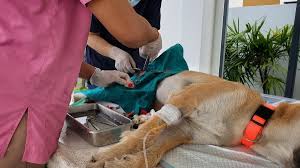
Consistency in strict boundary setting remains absolutely paramount during the recovery phase. If jumping on the kitchen counters was strictly forbidden before the surgery, it must remain heavily corrected after the procedure. The dog must clearly understand that the established household rules have not changed simply because their internal hormone profile has permanently shifted.
🐾 Snoutbit Pro-Tip: Heavily monitor a newly neutered male dog’s daily caloric intake beginning exactly four weeks post-surgery. The sudden removal of circulating testosterone causes a massive, permanent drop in the canine metabolic rate. This makes neutered dogs highly susceptible to rapid, dangerous weight gain if their meal portions are not strictly reduced by ten to twenty percent.
The Role of Breed-Specific Fulfillment
Understanding why a dog is acting hyperactive requires looking directly at their specific breed origins. A Siberian Husky is biologically programmed to pull heavy sleds across frozen tundra, while a Jack Russell Terrier is hardwired to violently excavate the earth searching for rodents. When these intense, primal drives are not adequately satisfied, the dog will redirect that massive energy into pacing, barking, or destroying expensive living room furniture.
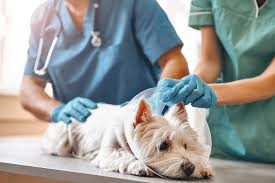
Neutering a Husky will not stop them from wanting to run, and neutering a Terrier will absolutely not stop them from digging massive holes in the backyard. The only effective way to genuinely calm these dogs down is to provide a highly specific, legal outlet for their genetic urges. Providing a designated sandpit for the Terrier or utilizing a weighted pulling harness for the Husky drastically reduces their baseline anxiety.
When a dog successfully completes a task that aligns perfectly with their DNA, their brain releases a massive surge of dopamine and serotonin. This powerful chemical cocktail provides a profound sense of psychological satisfaction that naturally leads to deep, restorative sleep. Utilizing structured fulfillment is infinitely more effective at creating a calm household companion than relying entirely on surgical intervention.
What To Do Next
- Conduct a Behavioral Audit: Sit down tonight and physically write out a list of the dog’s top three most frustrating behaviors. If the list consists entirely of jumping, demand barking, and leash pulling, immediately research local obedience classes, as the upcoming neuter surgery will absolutely not fix any of these specific issues.
- Implement the “Settle” Command: Begin actively training a formal “place” or “settle” command on a raised dog bed this exact week. Teaching the dog exactly how to manually trigger their own internal off-switch provides a reliable, trained foundation of calmness that will heavily outlast any surgical hormone flush.
Disclaimer: The content on Snoutbit.com is for informational and educational purposes only and is not intended to replace professional veterinary advice, diagnosis, or treatment. Always consult with your veterinarian before making significant changes to your dog’s diet, exercise routine, or health regimen.