Watching a completely stationary dog take rapid, shallow, heaving breaths from across the living room is incredibly terrifying. Panic instantly sets in as owners frantically wonder if the intense heaving represents a deadly heart condition, severe heatstroke, or just an intensely vivid dream. The sheer helplessness of watching a beloved canine struggle for oxygen frequently leads to highly expensive, midnight trips to the emergency veterinary clinic.
The definitive solution requires immediately abandoning pure panic and executing a highly clinical assessment of the dog’s exact biological state. Understanding the specific physiological triggers for rapid breathing allows handlers to successfully decode what the canine body is desperately trying to communicate. By separating completely normal thermal regulation from deeply dangerous respiratory distress, owners can confidently manage their dog’s daily health.
Respiratory Distress: Overview Mind Map
- Tachypnea vs. Panting: The critical distinction between breathing fast with a tightly closed mouth versus an open, tongue-lolling thermal pant.
- The SRR Metric: Why the Sleeping Respiratory Rate is the absolute gold standard for detecting invisible cardiac and pulmonary failure.
- The “Pain Pant”: Recognizing rapid, shallow breathing as a highly secretive biological response to severe internal discomfort or orthopedic distress.
- Cortisol Flooding: How massive, invisible spikes in behavioral anxiety physically force the canine respiratory system into terrifying overdrive.
🚨 Vet Fact: A completely healthy, resting adult canine should naturally take between ten and thirty breaths per minute. A single breath is calculated by watching the chest physically rise and completely fall one time; anything consistently exceeding thirty resting breaths requires aggressive medical scrutiny.
Advanced Insight 1: The SRR Calculation Protocol
Generic pet blogs constantly instruct handlers to simply check the dog’s breathing, completely failing to mention that a highly awake dog is constantly altering their breath based on environmental stimuli. Elite veterinary cardiologists strictly rely on a highly advanced, flawlessly accurate metric known as the Sleeping Respiratory Rate (SRR). To secure an accurate SRR, the dog must be completely passed out in a deeply restorative, uninterrupted sleep cycle.
Handlers must sit quietly across the room completely out of the dog’s line of sight to avoid accidentally triggering an excited biological response. Set a highly accurate smartphone timer for exactly sixty seconds and carefully count every single time the dog’s ribcage expands. If the final number is twenty-five, the dog is perfectly healthy; if the number suddenly jumps to forty, the dog’s internal oxygen exchange is failing.
Tracking the SRR over several consecutive days provides a massive, highly critical data baseline for aging or medically fragile canines. A sudden, unexplained upward trend in the resting respiratory rate is incredibly frequently the absolute first warning sign of impending congestive heart failure. Catching this specific upward trend allows veterinarians to heavily adjust life-saving cardiac medications entirely before a fatal fluid buildup ever occurs.
Advanced Insight 2: Decoding The “Pain Pant”
When asking why a canine breathes heavily without any physical exertion, handlers almost entirely overlook the massive physiological reality of hidden pain. Dogs are absolute biological masters at masking severe physical discomfort, a highly primitive survival instinct inherited entirely from ancient wolves. Instead of whining loudly or dramatically limping, a dog suffering from severe internal agony will frequently just lie completely still and breathe incredibly fast.
This rapid, incredibly shallow breathing is clinically recognized by elite behaviorists as the “pain pant.” It happens because intense pain triggers a massive, highly toxic dump of raw adrenaline directly into the canine bloodstream, forcefully elevating the resting heart rate. The respiratory system attempts to aggressively compensate for this racing heart by pulling significantly more oxygen into the lungs.
Take the highly realistic scenario of a brilliant Village Dog and Shiba mix named Anggu who recently returned home from a routine veterinary surgery. The young dog was completely stationary on a soft orthopedic bed in a heavily air-conditioned room, yet his chest was rapidly heaving exactly fifty times a minute. The handlers brilliantly recognized this specific closed-mouth panting as severe surgical discomfort, allowing them to instantly administer the prescribed pain medication to successfully break the agony loop.
🐾 Snoutbit Pro-Tip: Never attempt to forcefully wrap a rapidly breathing dog in highly restrictive, heavy blankets, even if they are violently shivering. Rapid breathing combined with physical trembling is incredibly frequently a massive biological response to a dangerous fever, and heavy blankets will fatally trap the thermal heat against their core.
Advanced Insight 3: Cortisol Flooding and Severe Anxiety
The canine respiratory system is forcefully tethered directly to the animal’s highly sensitive emotional state through the intricate gut-brain axis. When a dog experiences severe, highly unpredictable environmental stress, their biological fight-or-flight mechanism is instantly activated. The canine amygdala perceives a massive, lethal threat and immediately floods the body with highly potent cortisol, demanding extreme physical readiness.
This massive chemical flooding physically forces the lungs to rapidly expand and contract, preparing the dog’s muscles to either violently fight or desperately sprint away. For dogs suffering from intense noise phobias, the mere distant rumble of a summer thunderstorm instantly triggers this terrifying respiratory overdrive. The dog is physically completely unharmed, but their brain is biologically convinced they are fighting for their absolute survival.
Consider the highly intense environment of bustling rescue facilities like an animal shelter in Rawang, where severely traumatized strays arrive completely overwhelmed. The newly admitted dogs frequently sit frozen entirely in the absolute back corners of their kennels, aggressively panting with completely dilated pupils. The dedicated shelter handlers understand this rapid breathing is purely anxiety-driven, requiring massive environmental decompression rather than physical medical intervention.
Identifying Highly Dangerous Symptoms
Successfully managing a rapid breathing event requires handlers to aggressively audit the dog’s entire physical presentation. Fast breathing practically never occurs in a complete biological vacuum; it is always accompanied by highly specific, extremely subtle warning signs. Handlers must instantly perform a rapid visual triage to safely determine the exact severity of the medical crisis.
- Gum Color Degradation: Actively flip the dog’s upper lip and heavily scrutinize the exact color of their mucosal tissue. Bright pink is perfectly healthy, but muddy grey, stark white, or highly concerning blue gums indicate massive, life-threatening oxygen deprivation.
- Orthopnea Posturing: Watch exactly how the dog physically chooses to lay down on the floorboards. If the dog completely refuses to lie flat on their side and violently forces their elbows outward while stretching their neck forward, they are desperately fighting to keep their failing airway open.
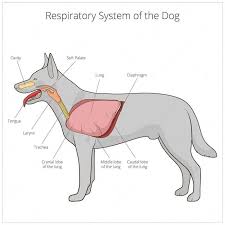
- Abdominal Heaving: Healthy breathing utilizes the chest cavity, completely leaving the stomach relaxed. If the dog’s abdominal muscles are violently contracting and aggressively pumping to push air out, they are experiencing highly dangerous, extreme respiratory distress.
Recognizing these massive physical red flags completely removes all human guesswork from the equation. The exact second a handler observes blue gums combined with rapid breathing, all monitoring completely ceases, and a high-speed trip to the emergency clinic instantly begins.
🚨 Vet Fact: A highly dangerous, frequently fatal condition called Gastric Dilatation-Volvulus (commonly known as bloat) almost always presents with sudden, extremely rapid breathing and heavy drooling. If a deep-chested dog suddenly begins breathing frantically while their stomach violently expands like a tight balloon, they have mere minutes to reach a surgical table before the stomach tissue completely dies.
The Heatstroke Threat in Modern Canines
During brutal summer heatwaves, the biological line between safe thermal panting and deadly heatstroke frequently blurs entirely. Because canines completely lack the physical ability to heavily sweat through their skin, they strictly rely on evaporating moisture directly off their massive tongues to cool their boiling blood. When the ambient humidity reaches incredibly high levels, this specific evaporative cooling system completely and totally fails.
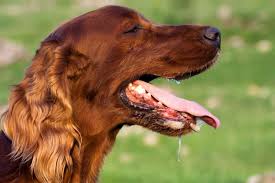
The dog’s core body temperature rapidly spikes to highly dangerous, completely lethal levels, frequently exceeding one hundred and six degrees Fahrenheit. The biological response is completely frantic, incredibly loud, highly abrasive panting that sounds almost exactly like a roaring engine. The tongue frequently turns incredibly dark red, and thick, highly sticky saliva actively strings from the dog’s heavy jowls.
Handlers must absolutely never throw freezing cold ice water directly onto a dog suffering from extreme heatstroke. Extreme, rapid freezing heavily constricts the surface blood vessels, forcefully trapping the boiling blood deeply inside the internal organs and cooking the dog from the inside out. The absolute correct protocol is heavily soaking towels in cool, room-temperature tap water and gently draping them over the dog’s hairless underbelly.
What To Do Next
- Execute the Baseline SRR Audit: Tonight, wait entirely until the dog is completely passed out in a deeply restorative sleep cycle. Carefully set a silent smartphone timer for exactly sixty seconds and rigorously count every single time the ribcage expands to successfully establish a permanent, highly accurate healthy respiratory baseline.
- Audit the Gum Color: Walk directly over to the resting dog right now and gently lift their upper lip to actively expose the gumline. Firmly press a single finger directly into the pink tissue until it turns white, then quickly release; the bright pink color must return absolutely flawlessly within exactly two seconds to guarantee perfect internal oxygenation.
Disclaimer: The content on Snoutbit.com is for informational and educational purposes only and is not intended to replace professional veterinary advice, diagnosis, or treatment. Always consult with your veterinarian before making significant changes to your dog’s diet, exercise routine, or health regimen.