Watching two dogs engage in a high-energy wrestling match often looks terrifyingly like a real fight. Between the guttural growling, the exposed teeth, and the aggressive lunging, pet parents often panic and prematurely end a perfectly healthy play session. The terrifying fear is that a simple game will suddenly turn into a bloody, multi-thousand-dollar emergency room visit.
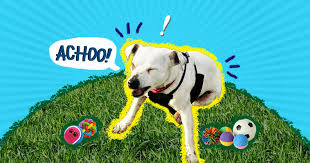
The definitive solution requires understanding that canine play is a complex theatrical performance, and the “play sneeze” is the most important line in the script. Dogs sneeze when playing to provide a clear, non-threatening signal that their intentions are purely peaceful. This involuntary-looking quirk is actually a highly evolved social lubricant that prevents misunderstandings and allows dogs to practice predatory behaviors without the lethal consequences.
Canine Play Signals: Overview Mind Map
- The Play Sneeze: A rapid, dry vocalization used to reset the emotional “arousal” level and signal non-aggressive intent.
- The Play Bow: Lowering the front chest to the ground while keeping the rear end high to initiate a game.
- The Self-Handicapping: Larger or stronger dogs intentionally rolling over or playing gently to keep the game fair and fun.
- The Meta-Communication: Subtle eye squinting and “soft” mouth movements that differentiate play from actual combat.
🚨 Vet Fact: A play sneeze is physically different from a medical sneeze; it is a “nasal snort” that originates from the nose rather than deep in the chest. While a medical sneeze involves a closed mouth and a violent full-body spasm, a play sneeze is typically performed with a loose, open mouth and very little physical effort.
Advanced Insight 1: The Meta-Communication Reset
Generic pet advice often dismisses play sneezing as a simple reaction to dust, but elite behaviorists recognize it as a sophisticated form of “meta-communication.” During intense wrestling, a dog’s nervous system is flooded with adrenaline, and their physical body language begins to mimic a real predatory attack. Without a constant stream of “I’m just kidding” signals, the other dog’s brain would instinctively switch into a defensive, life-or-death survival mode.
The sneeze acts as a literal “comma” in the sentence of play. It breaks the rhythm of the wrestling, provides a microscopic moment of stillness, and resets the emotional temperature of the room. This ensures that even the most vigorous game of “bite-face” remains strictly consensual and entirely safe for both participants.
Consider the reality of a massive, eighty-pound Golden Retriever playing with a tiny, twelve-pound terrier mix. The Retriever might pin the smaller dog to the ground, showing a massive amount of physical power. The exact second the terrier lets out a sharp play sneeze, the Retriever instantly backs off and executes a play bow, acknowledging the signal and maintaining the “just kidding” contract.
Understanding the “Soft Mouth” Contrast
Actual aggression is characterized by a “hard,” tightly closed mouth, rigid facial muscles, and an unblinking, focused stare. In contrast, play-sneezing dogs exhibit “soft” mouths, where the lips are pulled back in a floppy, relaxed way, often referred to as a “play grin.” The sneeze is the acoustic accompaniment to this soft body language, reinforcing the idea that the “attack” is entirely fake.
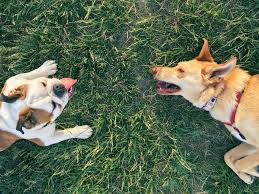
When a dog sneezes, they often wrinkle their nose, which naturally pulls the upper lip upward. In a real fight, a wrinkled nose precedes a bite; in a play session, the sneeze instantly recontextualizes that nose-wrinkle as a friendly gesture. It is a brilliant biological loophole that allows dogs to show teeth without triggering a defensive counter-attack.
🐾 Snoutbit Pro-Tip: If a play session between two dogs sounds like it is becoming too intense or the growling is getting deeper, watch for the sneeze. If neither dog is sneezing or taking a “shake-off” break, the arousal level is likely too high, and a calm, thirty-second “human-enforced” time-out is strictly necessary to prevent a real scuffle.
Advanced Insight 2: The Physicality of the “Scrunched” Nose
Beyond communication, there is a fascinating physical reason why play specifically triggers the urge to snort or sneeze. When dogs play, they frequently “scrunch” their faces and pull their lips back into that loose, goofy grin. This physical movement compresses the nasal passages and often traps small amounts of saliva or dust directly inside the nostrils.
As the dog’s heart rate increases and they breathe more heavily during the game, this microscopic debris irritates the sensitive lining of the nose. The dog executes a “play sneeze” to clear the airway and reset their breathing. While the communication aspect is paramount, the physical act of “scrunching” the nose during a “play-grin” provides the physical catalyst for the snort.
Take the anecdotal reality of a rescued Cattle Dog in Arizona that became entirely obsessed with a motorized bubble machine. The dog would snap at the bubbles, scrunching its nose and squinting its eyes to protect them from the soap. Every three or four snaps, the dog would let out a massive, wet sneeze—not because of an allergy, but because the physical facial exertion and the soapy moisture demanded a rapid nasal clear-out.
🚨 Vet Fact: If a dog is sneezing persistently outside of play sessions, particularly if they are pawing at their face or if there is nasal discharge, it is not a play signal. These symptoms frequently indicate a “foxtail” seed or other foreign body trapped deep inside the nasal cavity, which can cause severe infection and requires immediate veterinary removal.
Advanced Insight 3: The “Reverse Sneeze” Confusion
Many owners frantically Google “play sneezing” when they are actually witnessing a terrifying-looking event called a “reverse sneeze.” A reverse sneeze (paroxysmal respiration) occurs when the soft palate becomes irritated, causing the dog to pull air in rapidly through the nose with a loud, honking sound. While it looks like the dog is choking or having a seizure, it is typically a harmless, localized muscle spasm.
Highly excitable dogs frequently trigger a reverse sneeze during play because they are over-panting or pulling hard on a collar, which irritates the throat. The key difference is the sound: a play sneeze is a short “pfft” of air out, while a reverse sneeze is a series of loud, rhythmic “honks” of air in. Understanding this distinction prevents owners from panicking and rushing to an expensive emergency clinic for a harmless respiratory tick.
🐾 Snoutbit Pro-Tip: To instantly stop a harmless reverse sneeze during play, gently massage the dog’s throat to encourage them to swallow, or briefly cover their nostrils with a thumb for one second. This forces the dog to breathe through their mouth, which immediately resets the soft palate and stops the honking sound.
Distinguishing Play from Brachycephalic Struggle
For owners of flat-faced (brachycephalic) breeds like French Bulldogs or Pugs, sneezing and snorting are part of their daily vocal range. Because these breeds have severely compressed nasal passages, they often “sneeze-talk” during play more than other breeds. However, handlers must be incredibly vigilant to ensure the snorting is a play signal and not a sign of respiratory distress or overheating.
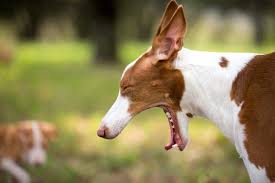
If a flat-faced dog is sneezing while their tongue is hanging out excessively or turning a bluish-purple hue, the game must stop immediately. In these specific breeds, the physical exertion of play combined with their narrow airways can quickly lead to a life-threatening oxygen deficit. The play sneeze should remain a short, dry burst, not a continuous struggle for air.
The Role of the “Shake-Off”
Just like the play sneeze, the full-body “shake-off” is another critical communication tool used during canine wrestling. Often, a dog will sneeze, and then immediately shake their entire body as if they were wet. This is a physical “stress-dump” that allows the dog to discharge the intense adrenaline of the game.
Elite trainers look for the “Sneeze-and-Shake” combo as the ultimate sign of a socially intelligent dog. It proves the animal is self-regulating their own arousal levels and ensuring their partner feels safe. If a dog never sneezes and never shakes during a long wrestling match, they are likely “red-lining”—meaning they are on the verge of losing control and switching from play to actual aggression.
What To Do Next
- Record a Play Session: The next time the dog is wrestling with a friend, use a smartphone to record exactly sixty seconds of the interaction. Watch the footage in slow motion to identify the exact moment a sneeze occurs; noticing that it usually happens right after a “hard” play move (like a pounce) will help build confidence in reading canine intentions.
- Audit the Play Environment: If the dog is sneezing excessively during indoor play but not outdoors, the issue might be environmental. Check for strong-scented floor cleaners, dusty carpets, or scented candles in the play area, as the heavy breathing of play can turn mild nasal irritants into a constant, uncomfortable sneezing trigger.
Disclaimer: The content on Snoutbit.com is for informational and educational purposes only and is not intended to replace professional veterinary advice, diagnosis, or treatment. Always consult with your veterinarian before making significant changes to your dog’s diet, exercise routine, or health regimen.