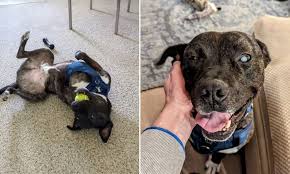
Walking into the living room to find a dog completely sprawled out upside down, legs awkwardly sticking straight into the air, is a daily source of amusement. This incredibly bizarre posture often triggers mild anxiety for owners who worry the dog is physically uncomfortable, suffering from a strange joint issue, or presenting a submissive posture out of hidden fear. The immediate urge is to gently roll the sleeping animal over to properly “fix” their twisted spine.
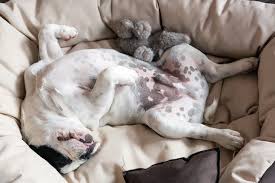
The definitive answer is that dogs sleep on their backs strictly to rapidly cool their core body temperature and completely surrender to their environment. The absolute biggest takeaway is that a dog intentionally exposing its soft, highly vulnerable underbelly is displaying the highest level of environmental trust possible. Leaving the dog completely undisturbed in this awkward pose is strictly necessary to allow their brain to enter a vital, deeply restorative state of REM sleep.
Canine Sleep Positions: Overview Mind Map
- The “Dead Bug” Pose: Complete back exposure, signaling absolute temperature regulation and total environmental security.
- The Defensive Donut: Tightly curled in a strict ball, protecting vital internal organs and artificially conserving core body heat.
- The Superman Sprawl: Lying completely flat on the stomach with all four legs extended, utilized for rapid cooling on hard tile floors.
- The Side Sleeper: A highly relaxed, transitional posture utilized right before diving into deep, twitching REM sleep.
The Biological Air Conditioning System
Dogs entirely lack the massive network of dermal sweat glands that humans utilize to quickly cool down on a hot summer afternoon. Canines strictly regulate their internal body heat through aggressive panting and by physically sweating through the tiny, microscopic pads on the bottom of their paws. When a dog becomes severely overheated inside a warm house, lying on their back acts as a highly efficient, biological air conditioning unit.
The canine belly features significantly thinner, sparser hair compared to the incredibly dense, highly insulated fur covering their back and sides. Exposing this bare, highly vascular skin directly to the circulating ambient room air causes a massive, rapid drop in core body temperature. Simultaneously extending all four paws straight into the air fully exposes the paw pads, heavily maximizing total heat dissipation.
Consider the reality of a massive, heavily double-coated Alaskan Malamute living in a humid Texas suburb. During the brutal July heatwaves, the dog entirely refused to sleep on premium plush beds, opting instead to sleep entirely upside down directly over a blowing floor air conditioning vent. This bizarre back-sleeping strategy was the dog’s brilliant, highly adaptive method for combating severe environmental heat without wasting precious physical energy on heavy panting.
🚨 Vet Fact: Dogs possessing short, brachycephalic snouts like Pugs and English Bulldogs suffer from severely compromised respiratory systems, making panting highly inefficient. These specific flat-faced breeds heavily rely on exposing their sparse bellies to the air to survive hot days and prevent catastrophic heatstroke.
Advanced Insight 1: Orthopedic Spine Decompression
Generic pet articles frequently assume the upside-down pose is simply a funny breed quirk, entirely missing the complex biomechanics at play. Sleeping completely flat on the back physically decompresses the entire canine spinal column, actively relieving heavy gravitational pressure on massive weight-bearing joints. This posture completely unloads the hips, elbows, and shoulders, allowing the synovial fluid inside the joints to properly replenish during deep rest.
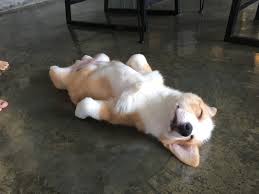
Deep-chested, heavily muscled breeds like Greyhounds and Boxers frequently utilize this exact posture, clinically referred to in the rescue community as “roaching.” Their massive, barrel-like ribcages make sleeping on their side for extended periods incredibly awkward and physically unbalanced. Rolling entirely onto their back perfectly cradles their heavy spine, creating a highly stable, completely effortless sleeping position that heavily prevents morning joint stiffness.
Take the highly common scenario of a retired racing Greyhound finally settling into a soft, permanent residential home. For the first several months, the traumatized dog slept strictly curled in a tight, defensive ball, suffering from heavily cramped back muscles. The exact day the dog finally flipped onto its back and “roached” on the living room sofa signaled a massive emotional breakthrough and provided immense, long-overdue orthopedic relief.
The Ultimate Display Of Predator Trust
In the brutal, highly unforgiving reality of the wild, a resting wolf would absolutely never intentionally expose its soft underbelly to the open environment. The abdomen houses the heart, liver, and massive intestinal tracts; exposing these highly sensitive organs leaves the animal completely defenseless against a sudden, lethal predator ambush. Wild canids strictly sleep tightly curled up, heavily protecting their core while keeping their sensitive nose tucked under a tail to actively monitor incoming scents.
Domesticated dogs only abandon this deeply hardwired, ancestral survival instinct when their sympathetic nervous system completely and totally powers down. A dog sleeping upside down in the center of a busy living room is explicitly communicating that they perceive zero physical threats in the surrounding area. It is the absolute highest compliment a canine can physically pay to the safety and security of their human household.
🐾 Snoutbit Pro-Tip: Never abruptly wake a dog that is deeply asleep on its back by physically touching its exposed stomach or face. The sudden, terrifying transition from deep REM sleep to waking reality frequently triggers a biological phenomenon called “sleep startle,” resulting in a highly dangerous, completely involuntary bite.
Advanced Insight 2: The REM Sleep Lock
Achieving the absolute deepest, most restorative level of sleep requires the canine body to undergo complete, temporary muscle paralysis known as REM atonia. This biological mechanism prevents the dog from physically acting out intense dreams and accidentally running straight into a wall while completely unconscious. Sleeping on the back perfectly facilitates this massive neurological shutdown.
When a dog curls into a tight ball, their massive skeletal muscles must remain partially engaged simply to hold the highly tense, circular posture together. By sprawling completely upside down, every single muscle group entirely disengages, allowing the brain to completely lock into the heavy REM cycle. This specific posture guarantees the absolute highest quality of psychological and physical recovery possible for the resting animal.
This is exactly why dogs sleeping on their backs frequently exhibit massive, hilarious facial twitches, muffled barks, and rapidly kicking legs. Because the spine is perfectly neutralized and the limbs are completely unweighted, the physical dream responses are significantly more pronounced and highly visible to observers.
When Back Sleeping Signals A Hidden Problem
While back-sleeping is overwhelmingly a sign of pure comfort, sudden and completely uncharacteristic changes in canine sleeping habits always warrant a meticulous environmental audit. If a senior dog that has spent ten years sleeping entirely on its stomach suddenly begins spending hours rolling on its back, it demands strict observation. This rapid postural shift occasionally indicates a desperate attempt to actively alleviate hidden, deep-tissue discomfort.
Advanced Insight 3: Gastrointestinal Pressure Relief. Dogs suffering from severe, hidden gastrointestinal distress or massive internal gas buildup frequently flip onto their backs. This specific inverted posture physically shifts the heavy, bloated stomach and massive intestinal tract entirely off the sensitive diaphragm. It makes breathing infinitely easier and temporarily relieves the sharp, agonizing internal pressure of a painful digestion cycle.
If the upside-down posture is suddenly accompanied by heavy, relentless panting in a cool room, loud stomach gurgling, or a complete refusal to eat breakfast, immediately halt all physical exercise. These highly concerning symptoms point directly away from quirky relaxation and heavily suggest a severe metabolic or digestive crisis requiring immediate professional evaluation.
🚨 Vet Fact: Canine Gastric Dilatation-Volvulus (GDV), commonly known as canine bloat, is a rapidly fatal condition where the stomach violently twists inside the abdomen. If a deep-chested dog repeatedly rolls onto its back while excessively drooling and desperately trying to vomit without success, it is a catastrophic medical emergency requiring immediate surgical intervention.
Fostering A Safe Sleeping Environment
Encouraging a highly anxious or deeply fearful rescue dog to finally feel comfortable enough to sleep on their back requires highly strategic environmental management. Dogs absolutely will not surrender their vulnerable belly if their designated bed is located in a highly chaotic, high-traffic hallway. The bed must be strategically placed in a quiet, highly defensible corner where the dog maintains a clear, unobstructed visual line directly to the room’s main exit.
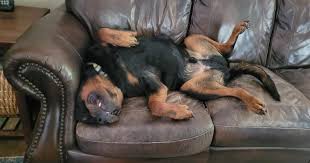
Furthermore, heavily structured, deeply bolstered dog beds frequently physically prevent a large dog from successfully rolling entirely onto their back. Providing a completely flat, premium orthopedic mattress allows the canine spine to naturally untwist and perfectly execute the sprawling “dead bug” posture. The right mattress explicitly enables the dog to effortlessly transition between cooling down and curling up as their internal body temperature naturally fluctuates throughout the long night.
What To Do Next
- Execute a Bedding Location Audit: Meticulously evaluate exactly where the primary dog bed is physically located right now. If it sits directly next to a noisy television, a loud dishwasher, or a high-traffic entryway, immediately relocate it to a highly secure, quiet corner to heavily encourage deeper, highly vulnerable sleep postures.
- Audit the Core Temperature: The next time the dog flips completely onto its back, gently feel the physical temperature of their exposed inner thigh or belly. If the skin feels incredibly hot to the touch, immediately lower the household thermostat or provide a specialized, pressure-activated cooling mat to safely assist their biological heat-dumping process.
Disclaimer: The content on Snoutbit.com is for informational and educational purposes only and is not intended to replace professional veterinary advice, diagnosis, or treatment. Always consult with your veterinarian before making significant changes to your dog’s diet, exercise routine, or health regimen.