Hearing a dog let out a massive, human-like sigh often triggers immediate owner guilt. Handlers instantly assume the dog is deeply depressed, painfully bored, or suffering from a hidden illness. The definitive solution is learning the specific contextual triggers behind the canine exhale, entirely removing the anxiety of misinterpreting this completely natural behavior.
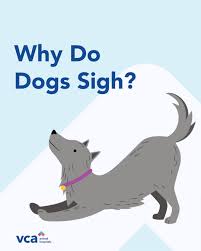
The absolute biggest takeaway is that a canine sigh acts as a distinct emotional punctuation mark. If the dog’s eyes are half-closed, the sigh represents complete physical surrender and the transition into deep sleep. If the eyes remain wide open and focused, the sigh communicates active, immediate frustration that a highly desired event is not happening.
Canine Sighing: Overview Mind Map
- Relaxation Response: Eyes closed, head resting on paws, signaling a transition into restorative REM sleep.
- Active Frustration: Eyes wide open, staring directly at the handler, giving up on a desired resource.
- Physiological Reset: Expanding collapsed lung alveoli and actively stimulating the vagus nerve.
- Medical Warning: Disguised wheezing, chronic pain groans, or severe respiratory distress requiring intervention.
The Biology of the Sigh
Just like humans, dogs utilize sighing as a critical physiological reset button. Breathing constantly at a shallow, regular pace causes the tiny air sacs in the lungs (alveoli) to slowly deflate. A massive, deep sigh forces these sacs to instantly reinflate, maximizing crucial oxygen exchange within the bloodstream.
This simple respiratory action prevents microscopic lung collapse during long periods of inactivity. It physically stretches the chest cavity, providing immediate relief to cramped intercostal muscles.
🚨 Vet Fact: A true sigh is a purely acoustic exhale that originates strictly from the upper respiratory tract and lungs. If the exhalation involves the vocal cords creating a low, vibrating hum, it is biologically classified as a groan, which frequently indicates underlying osteoarthritis pain.
Advanced Insight 1: The “Action-Termination” Signal
Generic behavioral guides claim dogs only sigh when they are tired. Elite trainers recognize the open-eyed sigh as a highly sophisticated “Action-Termination” signal. The dog is explicitly communicating that they are formally abandoning a current behavioral sequence.

Take the reality of a highly food-motivated Boxer sitting diligently beside the dinner table. The dog stares intensely for ten minutes, perfectly executing a polite sit, desperately waiting for a dropped piece of chicken. When the plates are finally cleared, the Boxer lets out a massive, open-eyed sigh and collapses onto the floor.
This specific sigh means the dog has biologically accepted defeat. They are actively terminating the begging sequence and purposefully bleeding off pent-up adrenaline. It is a healthy mechanism for processing immediate disappointment.
The Parasympathetic Nervous System Reset
A heavy sigh physically triggers the canine vagus nerve. This specific nerve acts as the master control switch for the parasympathetic nervous system. Activation instantly lowers the dog’s resting heart rate and reduces circulating cortisol.
It forcefully shifts the canine body from a high-alert “fight or flight” state into a deeply restorative “rest and digest” mode. This biological hack allows highly energetic dogs to manually down-regulate their own nervous systems.
🐾 Snoutbit Pro-Tip: Never physically pet or stimulate a dog immediately after they execute a closed-eye, resting sigh. Touching them instantly spikes their heart rate back up, completely ruining the biological relaxation cycle they just successfully initiated.
Advanced Insight 2: Contextual Eye State Matrix
Understanding canine vocalizations requires a strict evaluation of the accompanying facial micro-expressions. Isolating the sigh from the rest of the body language guarantees a massive misinterpretation of the dog’s actual mood.
| Eye State | Body Posture | Vocalization Tone | Core Canine Meaning |
|---|---|---|---|
| Fully Closed | Relaxed, flat on side | Soft, breathy, descending | Deep physical contentment, yielding to sleep. |
| Wide Open | Upright, staring at target | Sharp, forceful puff of air | Immense frustration, giving up on a reward. |
| Squinting/Hard | Tense, “loaf” position | Low-pitched, rumbling groan | Hidden physical pain or gastrointestinal discomfort. |
Export to Sheets
Advanced Insight 3: Distinguishing Sighs from Respiratory Distress
Many owners accidentally confuse a healthy, emotional sigh with early-stage respiratory distress. A healthy sigh is an entirely effortless release of trapped air. The dog should never look like they are fighting to push the oxygen out of their lungs.
If the dog must physically contract their abdominal muscles to force the air out, they are absolutely not sighing. Forced, labored exhalations point directly to severe issues like chronic bronchitis, canine asthma, or laryngeal paralysis.
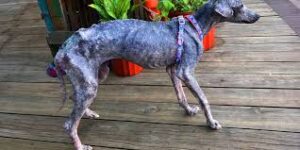
Consider a traumatized rescued Greyhound settling onto a new living room rug for the very first time. The dog spins three times, drops heavily onto the bed, and lets out a massive, stuttering sigh. This specific acoustic release proved the anxious rescue dog finally felt secure enough to entirely drop their physical guard.
The “Contagious” Sigh Phenomenon
Dogs are heavily empathetic creatures that actively mirror the emotional states of their handlers. If an exhausted owner drops onto the sofa after a stressful workday and lets out a heavy sigh, a bonded dog will frequently mimic the exact same behavior.
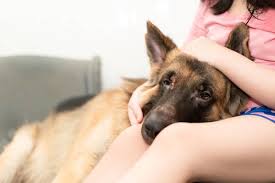
This represents an advanced form of social mirroring. The dog utilizes the sigh to build deep pack cohesion and establish mutual emotional regulation within the household. It is a powerful display of cross-species empathy and attachment.
What To Do Next
- Conduct an “Eye State” Audit: The exact second the dog sighs today, freeze and check their eyes. Actively practice categorizing the sigh as either a “relaxation response” (eyes closed) or an “action-termination” signal (eyes open) to drastically improve handler communication.
- Implement the “Do Not Disturb” Rule: Train all household members to completely ignore the dog whenever a closed-eye sigh occurs. Treating this specific vocalization as a definitive “do not disturb” sign guarantees the dog achieves the highly restorative, uninterrupted sleep required for optimal health.
Disclaimer: The content on Snoutbit.com is for informational and educational purposes only and is not intended to replace professional veterinary advice, diagnosis, or treatment. Always consult with your veterinarian before making significant changes to your dog’s diet, exercise routine, or health regimen.