Watching a beloved dog suddenly begin to shiver and shake uncontrollably is absolutely terrifying for any pet parent. Panic instantly sets in as owners frantically try to guess if the dog is freezing, having a neurological seizure, or suffering from sheer terror. Guessing incorrectly and wrapping a poisoned dog in a blanket while delaying medical care easily results in devastating, irreversible consequences.

The definitive answer is that canine shaking is a complex biological response to varying internal and external stimuli. The biggest takeaway is that context strictly dictates the severity of the trembling. A full-body shake after a stressful event is a healthy emotional reset, but isolated shivering accompanied by a tucked tail, panting, or vomiting instantly signals a massive medical or behavioral crisis.
Canine Tremors: Overview Mind Map
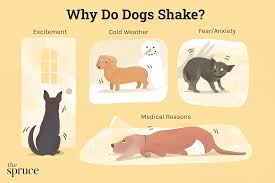
- Behavioral Release: The full-body “shake-off” utilized to discharge acute adrenaline and relieve environmental stress.
- Environmental Factors: Basic thermoregulation (being too cold) or extreme phobic reactions to thunderstorms and loud fireworks.
- Medical Emergencies: Toxic ingestion (xylitol, chocolate), acute kidney failure, or severe hypoglycemia in toy breeds.
- Chronic Conditions: Canine osteoarthritis pain, canine distemper virus, or Generalized Tremor Syndrome.
The Healthy Behavioral “Shake-Off”
Many owners completely misinterpret a dog’s most valuable, natural coping mechanism. Not all shaking is a sign of cold or illness; the “full-body shake-off” is an incredibly healthy, highly deliberate emotional reset. Dogs physically vibrate their entire bodies, starting from the nose and ending at the tail, to literally shed excess adrenaline following a highly intense encounter.
Consider a rescued Greyhound in Florida that constantly crossed paths with highly aggressive, barking dogs on a neighborhood walking trail. The Greyhound would remain perfectly still during the tense encounter, displaying immense restraint and leash impulse control. The exact second the aggressive dog walked away, the Greyhound would execute a massive, violent full-body shake to completely reboot its stressed nervous system before continuing the walk.
Elite behavioral consultants actively look for this specific shaking behavior during intense obedience training sessions. It clearly signals that the dog successfully processed the stressor and is neurologically ready to completely move on.
🚨 Vet Fact: If a dog repeatedly shakes its head violently but the rest of the body remains entirely still, this is a massive red flag for a severe ear infection. The dog is desperately trying to dislodge trapped fluid, heavy yeast buildup, or foreign bodies like dangerous foxtail seeds from the sensitive ear canal.
Thermoregulation vs. Severe Anxiety
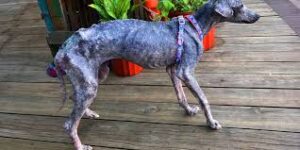
Understanding the subtle difference between a freezing dog and a terrified dog requires meticulously reading their accompanying body language. Small, single-coated breeds like Chihuahuas and Italian Greyhounds possess almost zero body fat to insulate their vital internal organs. When exposed to brisk autumn air or heavy indoor air conditioning, their muscles rapidly contract and expand to artificially generate life-saving core body heat.
Conversely, a dog shaking from severe anxiety exhibits an entirely different, highly defensive physical posture. A terrified dog will tremble while simultaneously pinning their ears completely flat against their skull and tucking their tail firmly between their hind legs. They frequently engage in obsessive lip-licking, heavy pacing, and desperately trying to hide under heavy living room furniture to escape an invisible threat.
When fear is the root cause, forcing the dog into a tight hug actually traps the animal and heavily escalates their panic. Provide a dark, secure, den-like space and allow the anxious dog to self-soothe without forcing overwhelming human physical contact.
The Hypoglycemia Threat In Toy Breeds
Generic internet advice frequently dismisses shivering in tiny dogs as a cute, highly harmless breed quirk. However, this assumption completely ignores a terrifying, highly lethal metabolic crisis directly affecting smaller canines. Toy breed puppies and teacup varieties are incredibly susceptible to severe hypoglycemia, which is a catastrophic, sudden drop in core blood sugar.
Advanced Insight 1: The Blood Sugar Crash. Because toy breeds possess incredibly fast metabolisms and microscopic fat reserves, skipping a single meal forces their body into immediate starvation mode. The brain becomes entirely starved of glucose, triggering violent neurological tremors, extreme lethargy, and a completely glassy-eyed stare. If the blood sugar is not instantly stabilized by rubbing a high-sugar syrup directly onto their gums, the dog will rapidly slip into a fatal coma.

Always keep a small tube of specialized canine glucose gel or pure honey easily accessible when raising a toy breed puppy. Feeding multiple, highly scheduled micro-meals throughout the day completely prevents these terrifying, life-threatening metabolic crashes.
🐾 Snoutbit Pro-Tip: Never attempt to pour liquid sugar water or force solid food down the throat of an actively shaking, hypoglycemic dog. The dog lacks the muscle control to swallow properly and will easily inhale the liquid directly into their lungs, causing fatal aspiration pneumonia.
Toxic Ingestion And Neurological Tremors
Sudden, violent muscle tremors in an otherwise perfectly healthy adult dog should instantly trigger a massive household poison audit. Dogs are notorious opportunistic scavengers, easily consuming highly toxic human foods and dangerous household chemicals hidden in the garage. Neurological shaking is often the very first clinical symptom of severe, potentially fatal toxicosis.
Take the terrifying reality of a deeply loved Yorkshire Terrier mix living in a busy New York apartment. The owners assumed the dog was shivering from a drafty window and simply wrapped it tightly in a heavy winter blanket. They tragically failed to notice the shredded pack of sugar-free chewing gum on the floor, which contained massive, highly lethal amounts of xylitol.
The xylitol forced a massive insulin release, destroying the dog’s liver and causing violent seizures completely disguised as cold shivers. Identifying the exact toxin and rushing to an emergency veterinary clinic within the first hour is the absolute only way to prevent irreversible organ failure.
White Dog Shaker Syndrome
Some medical conditions causing tremors are so highly specific that they entirely baffle owners and standard trainers alike. Generalized Tremor Syndrome (GTS) is a fascinating, deeply alarming neurological condition that strictly requires specialized medical intervention. While it can technically affect any breed, it is overwhelmingly prevalent in small, solid-white dogs like Maltese, West Highland White Terriers, and Bichon Frises.
Advanced Insight 2: Idiopathic Cerebellitis. GTS is caused by a sudden, severe inflammation of the cerebellum, the specific region of the brain entirely responsible for coordinating voluntary muscle movements. The dog develops full-body, rhythmic tremors that drastically worsen when the dog tries to perform a specific task, like eating kibble from a bowl. The shaking miraculously stops entirely the exact moment the dog falls completely asleep.
Veterinary neurologists typically treat this terrifying syndrome with a strict, heavy regimen of clinical corticosteroids to aggressively reduce the brain inflammation. With rapid, proper medical management, most dogs make a completely full recovery and return to a perfectly normal, tremor-free life.
🚨 Vet Fact: Chocolate toxicity is a highly common cause of severe canine tremors resulting in emergency room visits. The darker and more bitter the chocolate, the higher the concentration of theobromine, a highly toxic chemical compound that forcefully overstimulates the canine central nervous system.
Pain And Nausea As Silent Triggers
Dogs are biologically hardwired to hide physical weakness to successfully protect themselves from larger environmental predators. This stoic ancestral trait means they rarely cry out or whimper when experiencing deep, throbbing internal pain. Instead, owners will frequently notice the dog standing in a rigidly stiff posture, staring blankly at a wall, and visibly trembling.
Severe gastrointestinal distress, acute pancreatitis, or a sudden, agonizing spinal disc herniation constantly manifest as localized shaking. If a dog refuses to lie down, tightly arches its back, and shakes its hindquarters, it is actively fighting through blinding physical agony. Attempting to massage the dog’s back in this highly fragile state frequently causes completely redirected, pain-induced biting.
Nausea is another heavily overlooked catalyst for sudden canine trembling. Before a dog actually vomits, they frequently experience a massive wave of internal nausea that triggers excessive drooling, constant lip-smacking, and intense, full-body shivers.
Senior Dog Hind Leg Tremors
As a deeply loved canine transitions into their advanced senior years, their physical body undergoes massive, unavoidable structural degradation. Many owners notice their senior dog’s back legs beginning to shake and heavily vibrate whenever they stand in one place for too long. This specific, localized tremor is completely different from a terrified, full-body shiver.
Advanced Insight 3: The Sarcopenia Effect. This localized shaking is heavily driven by sarcopenia, the natural, age-related loss of dense muscle mass. The weakened muscles in the hindquarters simply lack the raw strength to effortlessly support the dog’s heavy torso, causing the legs to physically vibrate from sheer exhaustion. This is frequently compounded by severe, undiagnosed osteoarthritis aggressively grinding away the cartilage in the knee and hip joints.
Providing high-quality orthopedic bedding, installing carpet runners on slippery hardwood floors, and starting a premium joint supplement protocol provides massive relief. While the muscle loss cannot be completely reversed, heavily reducing the daily joint pain completely stops the exhausted trembling.
🐾 Snoutbit Pro-Tip: Film the dog actively shaking on a smartphone before heading to the local veterinary clinic. Tremors frequently stop completely once the dog enters the highly stimulating, adrenaline-filled clinic environment, making the video footage an absolutely critical diagnostic tool for the veterinarian.
What To Do Next
- Conduct an Immediate Poison Audit: Walk through the living room and kitchen right now, actively scanning the floor and low coffee tables for shredded wrappers. Identify exactly what the dog might have ingested in the last four hours, paying specific attention to sugar-free gum, dark chocolate, or dropped human medications.
- Evaluate the Contextual Baseline: Gently approach the shaking dog and check the color of their gums; they should be a healthy, vibrant pink. If the gums are stark white, pale, or bluish, or if the dog exhibits a severely tucked tail and glassy eyes, stop searching the internet immediately and transport the dog directly to an emergency veterinary hospital.
Disclaimer: The content on Snoutbit.com is for informational and educational purposes only and is not intended to replace professional veterinary advice, diagnosis, or treatment. Always consult with your veterinarian before making significant changes to your dog’s diet, exercise routine, or health regimen.