Waking up to the highly unmistakable, incredibly loud sound of a dog aggressively slurping their own private areas is a uniquely awkward pet parenting experience. Having guests over while a dog contorts themselves on the living room rug creates instant household embarrassment and immense anxiety about the dog’s overall health. Owners frequently try to instantly distract the dog or loudly scold the behavior, completely missing the crucial biological distress signals the animal is desperately trying to communicate.
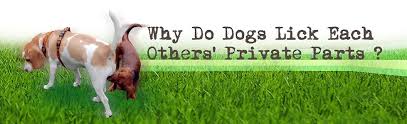
The definitive solution requires immediately stopping the urge to scold and starting a meticulous environmental and physical observation. The biggest takeaway is that while brief, casual licking is standard canine hygiene, obsessive licking points directly to hidden medical agony. A dog obsessively focused on their rear end or genitals is actively trying to physically soothe the intense burning of a urinary tract infection, the agonizing pressure of impacted anal glands, or the relentless itch of systemic allergies.
Canine Private Grooming: Overview Mind Map
- Standard Hygiene: A few casual licks immediately following a bathroom break or a long afternoon nap.
- Anal Gland Distress: Relentless attention to the tail base, often accompanied by a distinct, foul “fishy” odor.
- Urogenital Inflammation: Frantic licking of the genitals indicating potential bacterial infections, vaginitis, or canine prostate issues.
- Allergic Reactions: Constant chewing of the groin and inner thighs due to highly reactive environmental pollen or severe food sensitivities.
- Displacement Anxiety: Repetitive, self-soothing grooming triggered by severe household stress, loud noises, or separation panic.
Advanced Insight 1: The “Fishy” Anal Gland Connection
Generic pet guides frequently group all lower-body licking into a single, highly vague category. Elite behaviorists explicitly differentiate between genital licking and direct anal attention, as the latter almost always points to swollen anal sacs. These two small scent glands sit just inside the canine rectum and are biologically designed to naturally express a tiny amount of fluid during every solid bowel movement.
When a dog suffers from chronically soft stools or severe digestive upset, the glands completely fail to empty. This causes them to rapidly fill with thick, highly irritating fluid that creates immense, agonizing internal pressure. The dog is physically prompted to frantically lick the area in a desperate attempt to find relief, often producing a highly recognizable odor that smells strongly like rotting fish or old pennies.
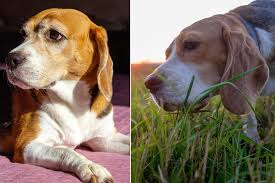
Consider a young Beagle living in a busy New York apartment that suddenly started waking up at 3:00 AM to frantically lick its tail base. The owners initially assumed the dog simply had fleas and bathed it repeatedly with absolutely zero success. A quick veterinary exam revealed two massively impacted anal glands that were hours away from painfully rupturing; professionally expressing the glands instantly cured the obsessive nocturnal grooming.
🚨 Vet Fact: A dog physically dragging their rear end violently across the living room carpet, clinically known as “scooting,” is a massive diagnostic red flag. When paired with obsessive licking, this specific behavior guarantees the anal glands are entirely blocked and require immediate manual expression by a veterinary professional to prevent a highly dangerous abscess.
The Threat of Hidden Infections
Dogs completely lack hands, meaning their highly textured tongue acts as their primary tool for investigating and soothing bodily discomfort. If a spayed female dog suddenly begins aggressively licking her vulva, or a male dog obsesses over his prepuce, a urinary tract infection (UTI) is a primary suspect. These aggressive bacterial infections cause a sharp, burning sensation in the sensitive urethra every single time the dog urinates.
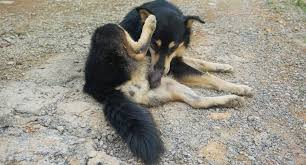
The dog licks the highly affected area to utilize the cooling evaporation of saliva directly against the inflamed tissue. Handlers must carefully monitor the dog’s outdoor bathroom habits to thoroughly confirm this specific suspicion. If the dog asks to go outside constantly but only produces a few tiny, highly strained drops of urine, the urogenital tract is severely compromised.
Intact dogs frequently experience completely different biological triggers than altered animals. An intact female dog entering her heat cycle will naturally drastically increase her private grooming to diligently manage the bloody discharge. Conversely, intact male dogs may excessively lick their genitals if they are experiencing smegma buildup or severe prostate inflammation.
🐾 Snoutbit Pro-Tip: Never attempt to physically pull a dog’s head away or aggressively shout “No!” when they are frantically grooming a painful area. This incredibly harsh correction heavily increases the dog’s baseline anxiety and completely fails to address the underlying medical agony driving the compulsive behavior.
Advanced Insight 2: The Allergy Disguise
Many pet parents completely separate standard skin itching from private grooming, totally missing a massive dermatological connection. The skin directly surrounding a dog’s groin and inner thighs is incredibly thin, largely hairless, and highly vascular. This specific anatomy makes it a prime target for severe environmental allergens like Bermuda grass, ragweed, and highly toxic lawn fertilizers.
When a dog walks through heavily treated grass, the chemical irritants instantly bind directly to the sensitive groin skin. The resulting allergic reaction causes intense, widespread hives and fiery red inflammation across the entire lower belly. The dog actively responds by violently slurping and chewing the entire region, easily tricking owners into believing the problem is strictly genital or urinary.
Elite handlers utilize a highly specific physical examination to unmask this precise allergy disguise. Roll the dog gently onto their back in a brightly lit room and deeply inspect the skin of the inner thighs. If the skin is a bright, angry red, covered in tiny bumps, or heavily stained a rust-brown color from chronic saliva exposure, severe contact allergies are aggressively driving the behavior.
The Anxiety and Displacement Loop
Not all excessive grooming stems directly from physical pain or aggressive bacterial infections. Highly anxious dogs frequently utilize repetitive licking as a powerful “displacement behavior” to actively cope with severe psychological stress. The physical, rhythmic act of licking actively releases a heavy flood of soothing endorphins directly into the canine bloodstream.
This biological mechanism acts exactly like a human nervously chewing their fingernails during a highly terrifying event. The dog quickly discovers that licking their groin provides a massive, temporary rush of biochemical relief from environmental chaos. Over time, this entirely transforms into a deeply ingrained, obsessive-compulsive habit that triggers anytime the dog feels slightly overwhelmed.
Take the reality of a rescued Dalmatian in Chicago that developed a severe, paralyzing phobia of loud thunderstorms. Every single time the barometric pressure dropped, the dog would retreat to a closet and obsessively lick its private areas until the skin was completely raw. The licking had absolutely nothing to do with hygiene; it was a desperate, self-soothing addiction utilized strictly to survive the terrifying acoustic blasts.
🚨 Vet Fact: Chronic, obsessive-compulsive licking creates highly dangerous “hot spots” (acute moist dermatitis) incredibly rapidly. The constant deposit of oral bacteria combined with trapped moisture quickly turns mildly irritated skin into a massive, weeping, highly infected wound requiring heavy-duty oral antibiotics.
Advanced Insight 3: Differentiating Target Zones
Elite behavioral observation requires meticulously identifying the exact anatomical target of the canine tongue. A dog repeatedly licking their own front paws while occasionally pausing to lick their groin points heavily toward a systemic food allergy or a massive yeast overgrowth. A dog exclusively focusing on the very tip of the prepuce or vulva strongly indicates a highly localized urinary or reproductive issue.
Handlers must actively track the exact timing and physical duration of the grooming sessions to gather vital diagnostic data. A dog that only licks excessively immediately after coming inside from the backyard is likely reacting to an environmental outdoor trigger. A dog that wakes up from a deep sleep in the middle of the night specifically to groom is almost certainly experiencing sharp, undeniable internal pain.
Providing this highly specific, incredibly detailed behavioral timeline to a veterinary team drastically speeds up the diagnostic process. It entirely eliminates the dangerous guesswork and ensures the dog receives the exact medication required to permanently stop the agonizing discomfort.
Shifting from Scolding to Solutions
The absolute worst reaction to excessive private grooming is intense human frustration and loud verbal corrections. Shaming a dog for a biological grooming instinct completely destroys the vital trust and bond between the handler and the animal. It actively forces the dog to hide their immense pain, causing them to secretly and obsessively lick in a closet or under a bed where the owner cannot protect them.
Instead of heavily focusing on the smacking noise, handlers must pivot entirely to active symptom management. Distraction is a highly effective, temporary tool while eagerly waiting for a professional medical appointment. If the dog begins frantically licking, cheerfully call them into the kitchen and provide a highly engaging, frozen puzzle toy heavily stuffed with plain peanut butter.
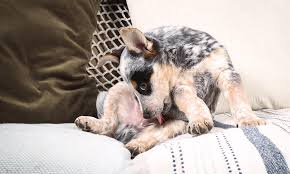
This brilliant redirection actively forces the dog to utilize their tongue on a highly rewarding, entirely appropriate target. It physically breaks the obsessive-compulsive feedback loop without utilizing any harmful negative punishment. Combining heavy positive distraction with a rapid veterinary assessment guarantees the dog receives the empathetic care they absolutely deserve.
🐾 Snoutbit Pro-Tip: Implement a strict “paw and underbelly wipe” routine every single time the dog enters the house after a nature walk. Utilizing a damp, hypoallergenic grooming wipe perfectly removes invisible pollen, harsh de-icing salts, and lawn chemicals before the dog ever feels the intense biological urge to lick them off.
What To Do Next
- Conduct a Bright-Light Visual Audit: Tonight, gently roll the dog onto their back in a heavily illuminated room and meticulously inspect the groin, inner thighs, and tail base. Look aggressively for fiery red skin, raised hives, active discharge, or a foul odor; documenting these exact symptoms provides crucial diagnostic evidence for your next clinic visit.
- Execute the Frozen Distraction Protocol: Prepare three high-value, heavy-duty chew toys by filling them completely with wet food and freezing them solid. The exact second the dog begins an obsessive private grooming session, seamlessly offer the frozen toy to instantly redirect the licking behavior onto a safe, highly enriching target.
Disclaimer: The content on Snoutbit.com is for informational and educational purposes only and is not intended to replace professional veterinary advice, diagnosis, or treatment. Always consult with your veterinarian before making significant changes to your dog’s diet, exercise routine, or health regimen.