Is your puppy biting everything? Yes, pup teething ends around 6 months. Discover expert vet tips to soothe sore gums and stop the biting today.
The Puppy Teething Problem: Why Your Hands Are Bleeding
Did you know your sweet puppy is born with 28 razor-sharp teeth strictly designed to shred and tear? Yes, puppy teething typically ends by six months of age when all 42 adult teeth fully emerge. Until that permanent dentition locks into place, you must proactively manage their intense oral pain with frozen chew toys, strict redirection, and consistent training.
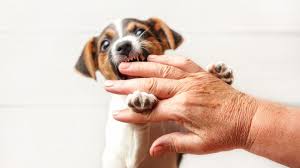
Are you constantly covered in tiny scratches and wondering if you adopted a shark instead of a dog? You are currently experiencing the absolute peak of the canine teething phase, a highly stressful biological period for your new companion. Their gums are severely inflamed, and aggressively chewing on your hands provides them with temporary, soothing pressure against their erupting adult teeth. If you own a working breed bred specifically for retrieving, like a Labrador with a dense waterproof coat, this intense oral fixation is genetically amplified.

The Biology of Deciduous Teeth
Puppies naturally develop their first temporary set of teeth, known medically as deciduous teeth, around three to six weeks of age. As their permanent adult teeth begin pushing forcefully through the jawbone around three months, these baby teeth become loose and eventually fall out. You will routinely find these tiny, hollow teeth embedded in your living room carpet or slightly stuck inside their soft chew toys.
Recognizing the Signs of Sore Gums
It is absolutely crucial to recognize that your puppy is not biting you out of spite, dominance, or malice. They are experiencing genuine, throbbing pain and are constantly seeking out hard, dense surfaces to physically massage their tender gum lines.
You must watch for these common clinical signs of active teething:
- Excessive drooling: Unexplained puddles of saliva where they normally sleep.
- Blood-tinged toys: Faint red marks left behind on their light-colored fabric toys.
- Frantic gnawing: Obsessive, relentless chewing on hard wooden baseboards or metal crate bars.
- Pacing and whining: General restlessness and inability to settle due to constant, dull jaw pain.
The Agony of Unchecked Biting and Property Damage
Ignoring this natural biological process will rapidly result in thousands of dollars in ruined furniture, destroyed shoes, and severe medical emergencies. If a teething puppy is left to self-soothe without strict environmental supervision, they will instinctively target your expensive wooden chair legs. This sheer lack of management transforms a completely temporary developmental phase into a permanent, highly destructive behavioral habit.
Ruined Furniture and Dangerous Blockages
Beyond the obvious expensive property damage, unsupervised chewing poses a massive, life-threatening medical risk to your young puppy. They frequently tear off and swallow large chunks of inappropriate household items, leading directly to severe gastrointestinal blockages. Correcting a foreign body obstruction requires immediate, high-risk emergency surgery that routinely costs upwards of $5,000.
The Breakdown of the Human-Animal Bond
The constant physical pain of sharp puppy teeth scraping your skin frequently drives new owners to their absolute breaking point. You likely feel deeply frustrated, sleep-deprived, and completely resentful toward the puppy you originally thought would bring you immense joy. If you routinely use harsh physical corrections to stop their natural biting, you will permanently shatter their trust and trigger severe fear-based reactivity.
Proven Veterinary Solutions for Teething Pain
You cannot stop the internal biological process of teething, but you can aggressively manage the physical pain to protect your skin. The definitive strategy relies strictly on providing safe, freezing-cold textures that physically numb their inflamed gums while exhausting their jaw muscles. Environmental management using heavy-duty baby gates and crates is your greatest weapon against massive property destruction during these turbulent months.
Safe Frozen Chews and Cold Therapy
Direct cold therapy is the absolute best, highly effective remedy for throbbing, swollen puppy gums. Soak a clean, tightly twisted washcloth in low-sodium chicken broth, freeze it completely solid, and let your puppy safely gnaw on the frozen fabric. You can also utilize thick, frozen carrots or veterinary-approved rubber toys stuffed with plain yogurt to provide hours of safe, cooling relief.
What to Avoid: Dangerous Toys and Bones
Not all chew toys brightly displayed on pet store shelves are actually safe for your puppy’s fragile, erupting adult teeth. You must strictly avoid feeding them hard, weight-bearing animal bones, synthetic nylon bones, or chemically compressed rawhide chews. These incredibly dense, unforgiving materials are notorious for rapidly fracturing delicate puppy teeth or causing fatal choking hazards as they splinter.
Master Class in Bite Inhibition Training
Providing pain relief is only half the battle; you must actively teach your puppy exactly how to interact safely with human skin. This process, scientifically known as bite inhibition, directly teaches them to consciously control the raw physical force of their jaws when playing. Dogs naturally learn this critical boundary skill from their littermates, but you must continue the strict education the exact second they enter your home.
The “Ouch” and Walk Away Method
The absolute moment your puppy’s teeth scrape your skin, you must immediately and abruptly terminate all physical interaction.
Follow these strict, sequential steps to guarantee successful bite inhibition training:
- Mark the behavior: Say a sharp, high-pitched “Ouch!” the exact second their teeth make contact with your flesh.
- Remove access: Immediately stand up, cross your arms, and completely ignore the puppy for exactly 30 seconds.
- Offer the legal alternative: Hand them an appropriate, high-value frozen chew toy the moment the 30-second penalty concludes.
Redirection to High-Value Targets
This firm, undeniable boundary explicitly teaches them that biting human flesh instantly ends all fun, play, and valuable attention. When they actively choose to bite the rubber toy instead of your hands, reward them immediately with heavy, enthusiastic verbal praise. Consistency is mandatory; every single family member must strictly enforce this exact same rule to prevent the puppy from becoming hopelessly confused.
Surviving the Final Adult Dentition Phase
Around six months of age, the relentless biting, bleeding gums, and frantic chewing will finally begin to organically subside. Their heavy, blunt adult teeth will fully lock firmly into the jawbone, completely resolving the chronic inflammation that drove their manic behavior. However, this massive physical transition period requires one final, highly critical veterinary inspection to ensure lifelong systemic health.
Checking for Retained Baby Teeth
Small and toy breeds are incredibly prone to a severe medical condition known as retained deciduous teeth. This explicitly occurs when the adult tooth erupts right next to the baby tooth, entirely failing to push the temporary tooth out of the skull. This exact crowding violently traps massive amounts of harmful bacteria and physically misaligns their permanent adult bite, requiring immediate surgical extraction.
Establishing Lifelong Dental Care
If your veterinarian successfully clears their mouth during the routine six-month checkup, you must immediately shift your focus to long-term hygiene. You must establish a strict daily brushing routine using a soft-bristled brush and an enzymatic canine toothpaste to break down plaque. Consistent preventative dental care prevents deadly periodontal disease and ensures your dog keeps their healthy adult teeth securely in their mouth for their entire life.
Disclaimer: This article is for informational purposes only and does not constitute veterinary medical advice. Always consult with a licensed veterinarian before altering your pet’s diet, starting a new training regimen, or addressing health concerns.