The Mini Dachshund Reality
- The Biological Trap: They suffer from genetic dwarfism (chondrodysplasia), putting massive strain on their elongated spines.
- The Behavioral Risk: Bred as ruthless badger hunters, they possess an intense, unrelenting prey drive and loud bark.
- The Required Fix: You must install ramps, maintain a strict body weight, and utilize heavy positive reinforcement to survive their stubbornness.
The Sausage Dog Illusion: Are You Making a Mistake?
Did you know the adorable, comical wiener dog waddling down your street was actually genetically engineered to fight badgers to the death in underground tunnels? Yes, there are critical things you didn’t know about Mini Dachshunds, primarily involving their extreme risk for spinal paralysis, fierce hunting instincts, and notorious stubbornness.Buying this tiny hound without modifying your home and training approach guarantees astronomical veterinary bills.
You likely look at their miniature proportions and assume they are simple, low-maintenance lap dogs perfect for a quiet apartment. However, failing to understand their complex biology and fiery temperament sets both you and the dog up for complete failure. By mastering these seven hidden facts, you will protect their fragile anatomy and transform this challenging breed into an incredibly loyal family member.
The Hidden Medical Reality of the Long Spine (The Problem)
1. The Genetic Trap of Chondrodysplasia
The signature look of the Mini Dachshund is entirely the result of a genetic mutation called chondrodysplasia, which causes profound skeletal dwarfism. This mutation aggressively stunts the growth of their leg bones while allowing their torso to grow to a standard, heavy length. This anatomical imbalance forces their delicate vertebral column to support an unnatural amount of mechanical stress every time they take a step.
2. IVDD and the Risk of Sudden Paralysis
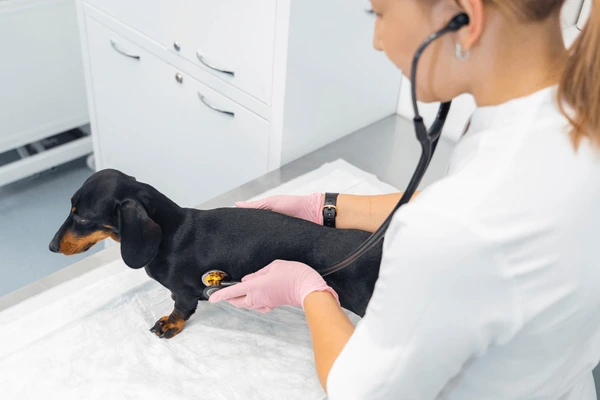
Because of this engineered dwarfism, Mini Dachshunds are the number one breed affected by Intervertebral Disc Disease (IVDD). Up to 25% of these dogs will experience a slipped, bulging, or completely ruptured spinal disc during their lifetime. Watching your previously active dog suddenly scream in pain and drag their paralyzed back legs across the floor is a living nightmare.
The emergency spinal surgery required to decompress their spinal cord routinely exceeds $8,000 per incident. If you are bringing this breed home, purchasing premium pet insurance the exact day you buy the puppy is an absolute, non-negotiable requirement.
The Environmental and Financial Cost (The Agitation)
3. Why Ramps Are Strictly Mandatory
The sheer physical impact of a Mini Dachshund jumping off a standard living room couch is enough to permanently shatter a compromised spinal disc. Because their stubby legs cannot absorb shock, the kinetic energy travels straight into their fragile spine. Ramps are mandatory, and you must place them at every single piece of furniture your dog is allowed to access.
If you have open, steep staircases in your home, you must aggressively block them off with heavy-duty baby gates. You must physically carry your dog up and down flights of stairs using the “football hold” to provide total spinal support.
4. The Lethal Danger of Canine Obesity
Carrying extra weight is highly dangerous for any pet, but for a Mini Dachshund, it is a guaranteed medical catastrophe. Even a single pound of excess fat pulls downward on their fragile spine, exponentially accelerating the deterioration of their spinal discs. You must measure their daily meals strictly with a digital kitchen scale, ignoring their persistent, soulful begging.
To keep your dog at a healthy body condition score, enforce these rigid dietary rules:
- Zero table scraps: Human food is incredibly calorie-dense and causes rapid, dangerous weight gain.
- Feel the ribs: You should easily feel their ribs without pressing hard, and see a clear waistline from above.
- Prioritize flat walks: Focus on daily flat-ground walking to build supporting core muscle without stressing the delicate joints.

The Fierce Hound Brain in a Tiny Body (The Solution)
5. Unrelenting Prey Drive and Digging
Mini Dachshunds belong strictly to the hound group, meaning they possess an immense, hardwired prey drivedesigned to track and kill small game. They will relentlessly pursue squirrels, rabbits, and the neighbor’s cat, entirely ignoring your frantic recall commands. You can absolutely never trust this breed off-leash in an unfenced area, as their nose will always override their obedience.
Furthermore, their ancestors were designed to excavate massive badger dens, giving modern Dachshunds large, paddle-shaped front paws built for digging. If left unsupervised in a backyard, they will quickly transform your pristine lawn into a cratered moonscape. Provide a designated digging zone, like a backyard sandbox, where they can safely exercise this powerful biological urge without destroying your property.
6. The Biological Urge to Burrow
You will quickly discover that this breed completely disappears the moment they hop onto your bed or sofa. Due to their genetic history of tunneling through dark, underground dens, Mini Dachshunds possess a profound psychological need to burrow. They will aggressively nose their way completely under your heavy blankets to sleep pressed directly against your legs for warmth and security.
This “Velcro dog” personality makes them incredible, affectionate companions, but it also creates severe physical hazards. You must meticulously check under pillows, couch cushions, and heavy blankets before sitting down to avoid accidentally crushing your hidden dog.
Overcoming Severe Training Hurdles
7. The Potty Training Nightmare
Veterinarians and dog trainers widely agree that Dachshunds consistently rank among the most difficult breeds to successfully housebreak. They absolutely despise cold weather, strictly refuse to step on wet grass in the rain, and will stubbornly hold their bladder until they are back inside. If you do not establish rigid boundaries, they will routinely sneak behind a sofa to eliminate out of sheer convenience.
You must overcome this legendary stubbornness by abandoning harsh punishments and relying strictly on positive reinforcement.
Follow this foolproof potty training protocol:
- Rigid Schedules: Take them outside every two hours, plus immediately after waking, eating, or playing.
- High-Value Bribes: Reward them the exact millisecond they pee outside with highly aromatic treats like freeze-dried liver.
- Indoor Tethering: Use the umbilical cord method to keep them physically tethered to you indoors, preventing them from wandering off to soil the carpets.

Coat Types and Preventative Care
Managing Three Distinct Varieties
Mini Dachshunds come in three specific coat varieties: smooth, longhaired, and wirehaired, each demanding a completely different grooming routine. A smooth coat requires a simple weekly wipe-down, making it the lowest maintenance option for busy owners. However, the longhaired variety demands daily brushing to prevent severe, painful matting behind the ears and under the armpits.
Wirehaired Dachshunds require specialized “hand-stripping” of their coarse outer coat by a professional groomer multiple times a year to maintain proper texture. Regardless of the coat type, all Dachshunds suffer from rapidly crowded teeth in their narrow, pointed snouts. Daily tooth brushing is absolutely required to prevent advanced periodontal disease and life-threatening systemic bacterial infections.
Understanding these seven critical facts completely changes how you manage, train, and protect your tiny hound. By prioritizing their fragile spine and respecting their fierce hunting genetics, you prevent agonizing injuries and behavioral disasters. Consistency and vigilance are the ultimate keys to unlocking the loyal, comical companion hiding inside this stubborn, elongated breed.
Disclaimer: This article is for informational purposes only and does not constitute veterinary medical advice. Always consult with a licensed veterinarian before altering your pet’s diet, starting a new training regimen, or addressing health concerns.