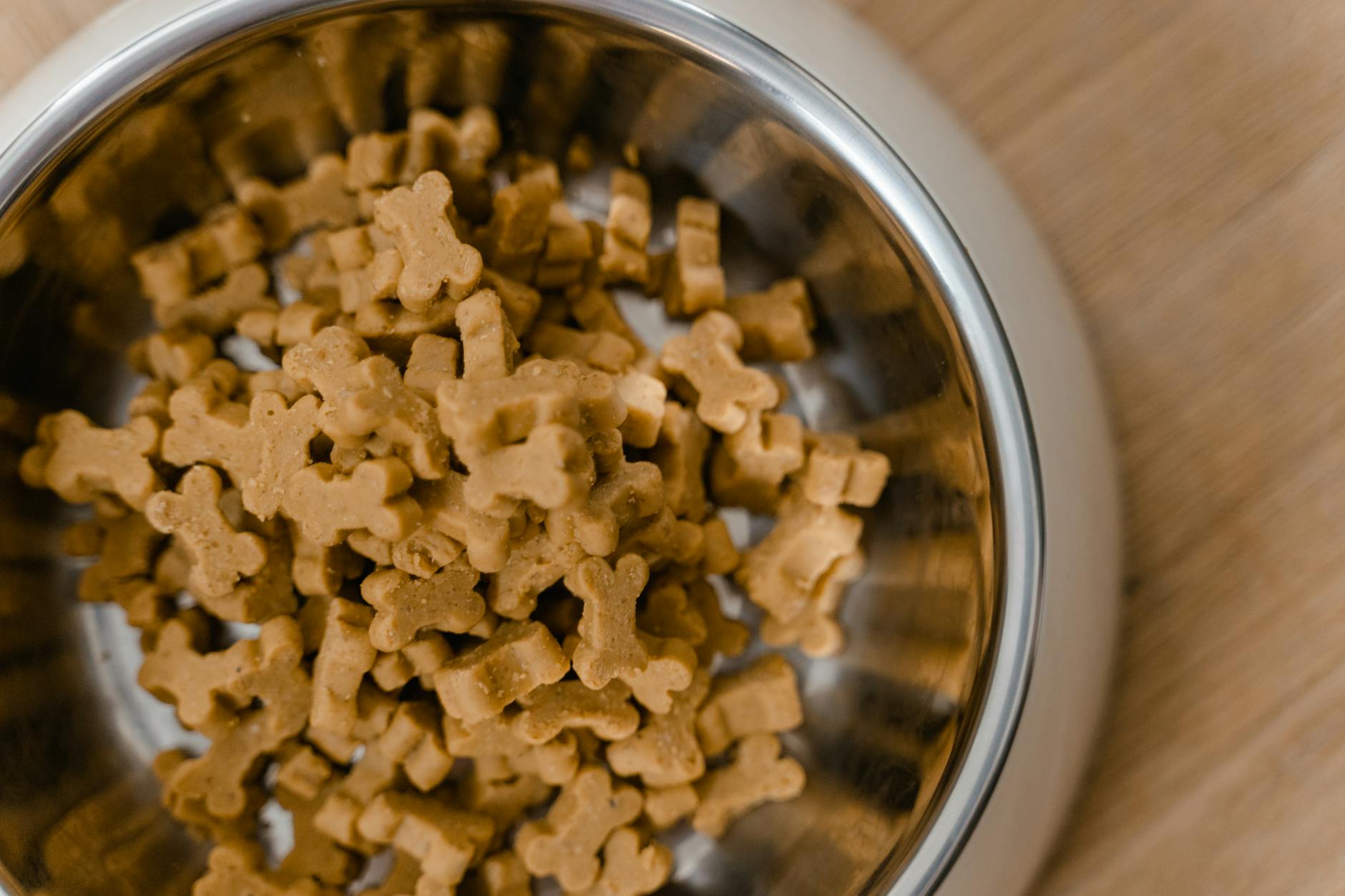
We Feed Raw Review 2026: Pricing, Safety, and Who It's Best For
Introduction
Raw feeding has moved from fringe practice to mainstream option, and We Feed Raw has been at the center of that shift since 2009. Founded by Alissa Zalneraitis, who started making raw dog food for her own ten rescue dogs, the company has grown into an operation that has produced more than 20 million meals, according to iHeartDogs. In 2026, the Pet Innovation Awards named We Feed Raw the Frozen/Raw Product of the Year, a sign that the brand's approach is resonating with dog owners and industry judges alike.
But awards and volume don't answer the practical questions. What actually goes into the food? How does the meal plan work? What does it cost for a 25-pound dog versus a 120-pound dog? And perhaps most importantly, is raw feeding safe for households with kids or immunocompromised family members? This review breaks down the verified details on We Feed Raw's recipes, formats, pricing, safety protocols, and ideal customer profile so you can decide whether it fits your dog's bowl.
The Story Behind We Feed Raw
We Feed Raw began in 2009 when Alissa Zalneraitis started making raw dog food for her own ten rescue dogs, according to iHeartDogs. That origin story matters because it explains the company's foundational orientation: this was not a brand built by a conglomerate looking to capture a trend, but by someone feeding her own animals and refining recipes based on real-world results.
Alissa passed away in 2014, and her sister Amy Zalneraitis and family carried the company forward, per iHeartDogs. That continuity of family ownership is relatively rare in the pet food space, where brands are frequently acquired by larger holding companies. The Zalneraitis family has kept the operation running for more than a decade since Alissa's passing.
The scale the company has reached is notable. More than 20 million meals have been produced by We Feed Raw, according to iHeartDogs. That volume suggests both operational capacity and a customer base that has stayed with the brand over time.
In 2026, the Pet Innovation Awards named We Feed Raw the Frozen/Raw Product of the Year, per iHeartDogs. Industry recognition at that level typically reflects a combination of product quality, innovation in format or process, and market impact. For dog owners evaluating raw options, the award provides an external validation point that goes beyond marketing claims.
Recipes are formulated by a PhD animal nutritionist, according to iHeartDogs. That detail matters because raw feeding done poorly can create nutritional gaps, particularly around calcium-phosphorus ratios, organ meat proportions, and micronutrient sufficiency. Having a credentialed nutritionist on the formulation side is a meaningful safeguard.
How the We Feed Raw Meal Plan Works
The We Feed Raw experience starts with a questionnaire, according to iHeartDogs. That questionnaire covers your dog's weight, age, activity level, health needs, and current diet. The goal is to build a meal plan tailored to your individual dog rather than forcing your dog into a one-size-fits-all feeding chart.
Once the plan is built, portions arrive pre-measured based on the dog's daily calorie needs, per iHeartDogs. That removes the guesswork from raw feeding, which can be one of the more intimidating aspects for newcomers. You are not eyeballing amounts or calculating gram-by-gram ratios of muscle meat to organ to bone; the work has been done before the box ships.
To give a sense of how calorie targets scale, iHeartDogs reports daily calorie targets for a five-year-old moderately active neutered male maintaining weight: a 10-pound dog needs 225 kcal per day, a 25-pound dog needs 450 kcal, a 50-pound dog needs 720 kcal, an 80-pound dog needs 1,080 kcal, and a 120-pound dog needs 1,440 kcal. These are the numbers the company uses to size portions.
The first box is a Starter Box, which covers 10 days of transition plus full feeding, according to iHeartDogs. It includes a free silicone storage container and a starter guide. The transition period matters because switching abruptly to raw can cause digestive upset; having a structured 10-day window built into the first shipment is a practical design choice. If you're weighing raw against kibble, see Raw Dog Food vs. Dry Kibble: Which is Best for Gut Health and Digestion?.
Customers can choose a full plan or a half plan (50% raw), per iHeartDogs. After the Starter Box, options include 25% or 75% raw depending on dog size. That tiered structure lets owners test the waters, manage budget, or feed raw as a topper rather than a complete diet. For an 80-pound dog on a half plan, the cost is about $5.60 per day, roughly $39 per week, according to iHeartDogs.
What Is Actually in the Food
We Feed Raw's recipes include muscle meat, organ meat, ground bone, and added vitamins and trace minerals, according to iHeartDogs. There are no grain, corn, soy, wheat, fillers, artificial colors, or preservatives. That ingredient philosophy aligns with the standard raw feeding model, which aims to approximate the prey-based diet a dog's ancestors would have eaten.
The sourcing details are specific. Food is sourced from USDA meats and produced in an SQF-certified facility, per iHeartDogs. SQF certification is a food safety and quality management standard used across the food industry, and its presence here indicates the production environment meets audited requirements. For more on why sourcing matters, read The Legal Loophole Making Dogs Sick: Are Human-Grade Dog Food Brands Actually Worth The Cost?.
Lamb is pasture-raised in New Zealand, while other meats are sourced from U.S. suppliers, according to iHeartDogs. That geographic split is worth noting if you have preferences about where your dog's protein comes from.
Fresh Patties come in five recipes: beef, chicken, duck, lamb, and turkey, per iHeartDogs. Duck and lamb are premium recipes and cost more. That pricing tier reflects the relative cost of those proteins and their positioning as novel or rotation-friendly options.
Freeze-Dried Nuggets come in grass-fed, grass-finished beef and cage-free chicken, according to iHeartDogs. The narrower recipe range reflects the format's different role in the lineup, which we will get into next.
One formulation distinction matters for puppy owners. Fresh Patties are formulated for all life stages, including puppies and pregnant or nursing dogs, per iHeartDogs. Freeze-Dried Nuggets are formulated for adult maintenance only. If you have a puppy, a pregnant dog, or a nursing dog, the Fresh Patties are the appropriate choice from a nutritional adequacy standpoint. For more on feeding pregnant dogs, see Are You Feeding Her Wrong? The Hidden Dangers & Rules On How To Take Care Pregnant Dog.
Fresh Patties vs. Freeze-Dried Nuggets: Which Fits Your Routine
The two formats differ primarily in storage, preparation, and life stage suitability. Fresh Patties must be stored frozen and thawed in the fridge, according to iHeartDogs. Once thawed, they are good for 4 days. The Starter Box and the Fresh Patties format include a free silicone storage container and a starter guide, per iHeartDogs.
Freeze-Dried Nuggets are shelf-stable, according to iHeartDogs. You can serve them dry or rehydrate them, and they stay fresh up to 30 days after opening. The format includes a free portioning scoop and a starter guide. For households with limited freezer space, frequent travel, or a desire for simpler meal prep, the freeze-dried format removes the thawing step entirely. Learn more in Raw Nutrition Without The Mess? The Truth About Freeze-Dried Dog Food.
Cost is identical for Fresh Patties and Freeze-Dried Nuggets at the same dog size, per iHeartDogs. That means the choice between formats is about convenience and life stage, not price. If you have a puppy or a pregnant or nursing dog, the Fresh Patties are the only option between the two, since Freeze-Dried Nuggets are formulated for adult maintenance only, according to iHeartDogs.
For adult dogs, the decision comes down to routine. If you have freezer space and do not mind planning ahead for thawing, Fresh Patties deliver the traditional raw experience. If you want to keep a bag in the pantry, travel with your dog, or use raw as a topper without committing freezer real estate, Freeze-Dried Nuggets offer that flexibility. Both formats arrive pre-measured based on your dog's daily calorie needs, per iHeartDogs, so the portioning work is handled either way. For a deeper dive, see Why Is Freeze-Dried Raw Dog Food The Ultimate Diet Upgrade?.
What We Feed Raw Costs, by Dog Size
Ongoing daily cost for standard recipes, according to iHeartDogs, breaks down as follows: a 10-pound dog costs $2.92 per day, a 25-pound dog costs $5.00, a 50-pound dog costs $8.00, an 80-pound dog costs $11.24, and a 120-pound dog costs $15.12. These figures apply to standard recipes; duck and lamb are premium and cost more, per iHeartDogs.
The Starter Box offers a 50% discount, per iHeartDogs. Starter Box daily costs are approximately $1.37 for a 10-pound dog, $2.28 for a 25-pound dog, $3.14 for a 50-pound dog, $4.28 for an 80-pound dog, and $5.67 for a 120-pound dog. New customers get 50% off their first meal plan box plus free shipping, according to iHeartDogs. Starter Boxes are backed by a 30-day Happiness Guarantee, per iHeartDogs.
Delivery frequency scales with dog size, according to iHeartDogs. A 10-pound dog receives delivery every 8 weeks, a 25-pound dog every 5 weeks, a 50-pound dog every 4 weeks, and both 80-pound and 120-pound dogs every 2 weeks. That schedule is designed to keep the right amount of food on hand without overloading your freezer.
For owners considering a partial raw approach, the half plan changes the math. An 80-pound dog on a half plan costs about $5.60 per day, roughly $39 per week, per iHeartDogs. After the Starter Box, options include 25% or 75% raw depending on dog size, according to iHeartDogs. That flexibility lets you manage cost while still incorporating raw nutrition into your dog's diet. If you're comparing subscription models, see The Billion-Dollar Kibble Scam: Are Dog Food Subscription Services Actually Worth The Cost?.
Is Raw Dog Food Safe? How We Feed Raw Handles It
Raw feeding's central concern is pathogen exposure. Every meal from We Feed Raw undergoes high-pressure processing (HPP), according to iHeartDogs. HPP is an FDA-approved cold pasteurization method that inactivates pathogens like Salmonella and Listeria without cooking. That last point is critical: HPP does not cook the food, so the nutritional profile of raw ingredients is preserved while the pathogen risk is reduced.
HPP makes raw feeding practical for households with young children or immunocompromised members, per iHeartDogs. That is a meaningful statement because raw feeding has historically been discouraged in those households due to concerns about cross-contamination from handling raw meat. HPP addresses the pathogen load in the food itself, which reduces the risk profile of feeding raw in those environments. For a balanced look at raw feeding risks, read The Bloody Truth About A Raw Diet For Dogs (Pros, Cons & Hidden Risks).
The combination of USDA-sourced meats, an SQF-certified production facility, and HPP treatment forms a multi-layer safety approach, according to iHeartDogs. For owners who have wanted to feed raw but hesitated due to safety concerns, these protocols are the relevant details to weigh.
Who We Feed Raw Is Best For
We Feed Raw fits several specific profiles. The first is the dog owner who wants raw feeding without the DIY burden. The questionnaire-based meal plan, pre-measured portions, and 10-day Starter Box with a starter guide and free silicone storage container, all per iHeartDogs, remove the guesswork and the equipment shopping.
The second is the household with a puppy, pregnant dog, or nursing dog. Fresh Patties are formulated for all life stages, including those groups, according to iHeartDogs. Freeze-Dried Nuggets are adult maintenance only, so puppy owners should choose Fresh Patties.
The third is the household with young children or immunocompromised members. HPP treatment inactivates pathogens like Salmonella and Listeria without cooking, per iHeartDogs, making raw feeding more practical in those settings.
The fourth is the owner who wants flexibility on cost and commitment. The half plan (50% raw) and post-Starter Box options of 25% or 75% raw depending on dog size, all per iHeartDogs, let you dial in the level of raw feeding that fits your budget and your dog's needs. An 80-pound dog on a half plan runs about $5.60 per day, roughly $39 per week, according to iHeartDogs.
The fifth is the traveler or small-freezer household. Freeze-Dried Nuggets are shelf-stable, serve dry or rehydrated, and stay fresh up to 30 days after opening, per iHeartDogs. Cost is identical to Fresh Patties at the same dog size, so the format choice is about lifestyle, not price.
With more than 20 million meals produced, a 2026 Pet Innovation Award for Frozen/Raw Product of the Year, recipes formulated by a PhD animal nutritionist, and a 30-day Happiness Guarantee on Starter Boxes, all per iHeartDogs, We Feed Raw presents a structured entry point into raw feeding for owners who want the benefits without the operational overhead.
Frequently Asked Questions
Is We Feed Raw safe for dogs with sensitive stomachs? The 10-day transition built into the Starter Box is designed to ease digestive upset. For dogs with known sensitivities, consult your vet before switching. See Stop The Sloppy Poops: The Ultimate Guide To Finding The Best Dog Food For Sensitive Stomachs.
Can I feed We Feed Raw to a puppy? Yes, but only the Fresh Patties, which are formulated for all life stages. Freeze-Dried Nuggets are for adult maintenance only, per iHeartDogs.
How long does We Feed Raw last in the fridge? Fresh Patties are good for 4 days after thawing. Freeze-Dried Nuggets stay fresh up to 30 days after opening, per iHeartDogs.
Does We Feed Raw offer a discount for new customers? Yes, new customers get 50% off their first meal plan box plus free shipping, according to iHeartDogs.
Can raw feeding calm a hyperactive dog? Some owners report behavioral improvements. For more, see 5 Reasons Why It Is True That Raw Dog Food Makes Hyperactive Dogs Calmer.
Final Verdict
We Feed Raw offers a structured, safety-conscious entry into raw feeding. With transparent pricing, two formats, and HPP treatment, it addresses the main barriers for newcomers. If you want the potential longevity and vitality benefits of raw, see The Anti-Aging Bowl: What Is The Best Diet For A Longer Dog Life?. For most owners, the Starter Box is the lowest-risk way to test whether raw fits your dog's bowl.
Source: iHeartDogs


