The Bloody Truth About A Raw Diet For Dogs (Pros, Cons & Hidden Risks)
What Is The Truth About A Raw Diet For Dogs?
Watching a beloved dog suffer through chronic skin allergies, constant ear infections, and dull coats is incredibly frustrating. Owners often spend thousands on premium kibble, only to read the confusing ingredient labels and wonder if highly processed pellets are the root cause. The debate surrounding natural feeding feels like stepping onto a battlefield filled with aggressive, conflicting advice.
Here is the definitive takeaway about a raw diet for dogs: feeding uncooked meat and bones delivers phenomenal benefits like drastically cleaner teeth, vibrant energy, and significantly smaller stools. However, it requires militant kitchen hygiene and absolute precision in nutritional balancing. Tossing a raw chicken breast into a bowl is not a balanced diet and will quickly cause fatal nutritional deficiencies.

Successfully transitioning to natural feeding requires understanding the deep biological mechanics of canine digestion. This comprehensive guide strips away the marketing hype to reveal exactly what works.
What Are The Pros Of Feeding Dogs Raw Meat?
Canines are biologically equipped to process raw protein efficiently. Their highly acidic stomachs and short digestive tracts are explicitly designed to handle raw meat, bone, and organs without issue. When done correctly, the physical transformations owners witness are nothing short of remarkable.
During years of rehabilitating sluggish, overweight Golden Retrievers, we frequently observe a massive shift in vitality within weeks of dropping commercial kibble. Dogs that once slept all day suddenly exhibit bright eyes, lean muscle development, and boundless puppy-like energy. Their bodies no longer waste energy processing complex, starchy carbohydrate fillers found in extruded dry foods.
- Improved Dental Health: Crushing raw, meaty bones acts as a natural abrasive, scraping away stubborn plaque and tartar.
- Drastically Smaller Stools: Because the body absorbs almost all the raw nutrients, the resulting waste is tiny, odorless, and turns to dust within days.
- Softer, Shinier Coats: Rich, natural amino acids and raw animal fats rapidly repair dull coats and soothe flaky, inflamed skin.
🐾 Snoutbit Pro-Tip: Never feed cooked bones of any kind, as the heating process makes them dangerously brittle. Cooked bones splinter easily, creating sharp shards that can puncture a dog's delicate esophagus or intestines.
What Are The Cons And Risks Of Raw Feeding?
Despite the incredible benefits, natural feeding is absolutely not a casual undertaking for busy households. The risks associated with a poorly executed raw diet for dogs are severe and completely unforgiving. Owners must act as amateur animal nutritionists to ensure their dogs thrive safely.
The most terrifying risk is a severe nutritional imbalance caused by uninformed DIY feeding. We once consulted on a case involving a beautiful Blue Heeler whose well-meaning owners fed him nothing but premium grocery-store ground beef for months. The dog developed catastrophic bone density issues because a meat-only diet lacks the critical calcium provided by edible bones.
Furthermore, raw feeding demands immense freezer space, significant daily food prep time, and a substantially higher monthly budget. Sourcing high-quality, safe ingredients requires building relationships with local butchers or paying premium prices for pre-packaged commercial raw blends.
Can Dogs Get Sick From Raw Chicken?
Pathogen contamination is the loudest argument against feeding dogs raw meat. However, an advanced insight rarely discussed is the stark difference between Salmonella and Campylobacter. A healthy canine digestive tract is incredibly hostile to Salmonella, easily neutralizing it through potent gastric acids before it causes harm.
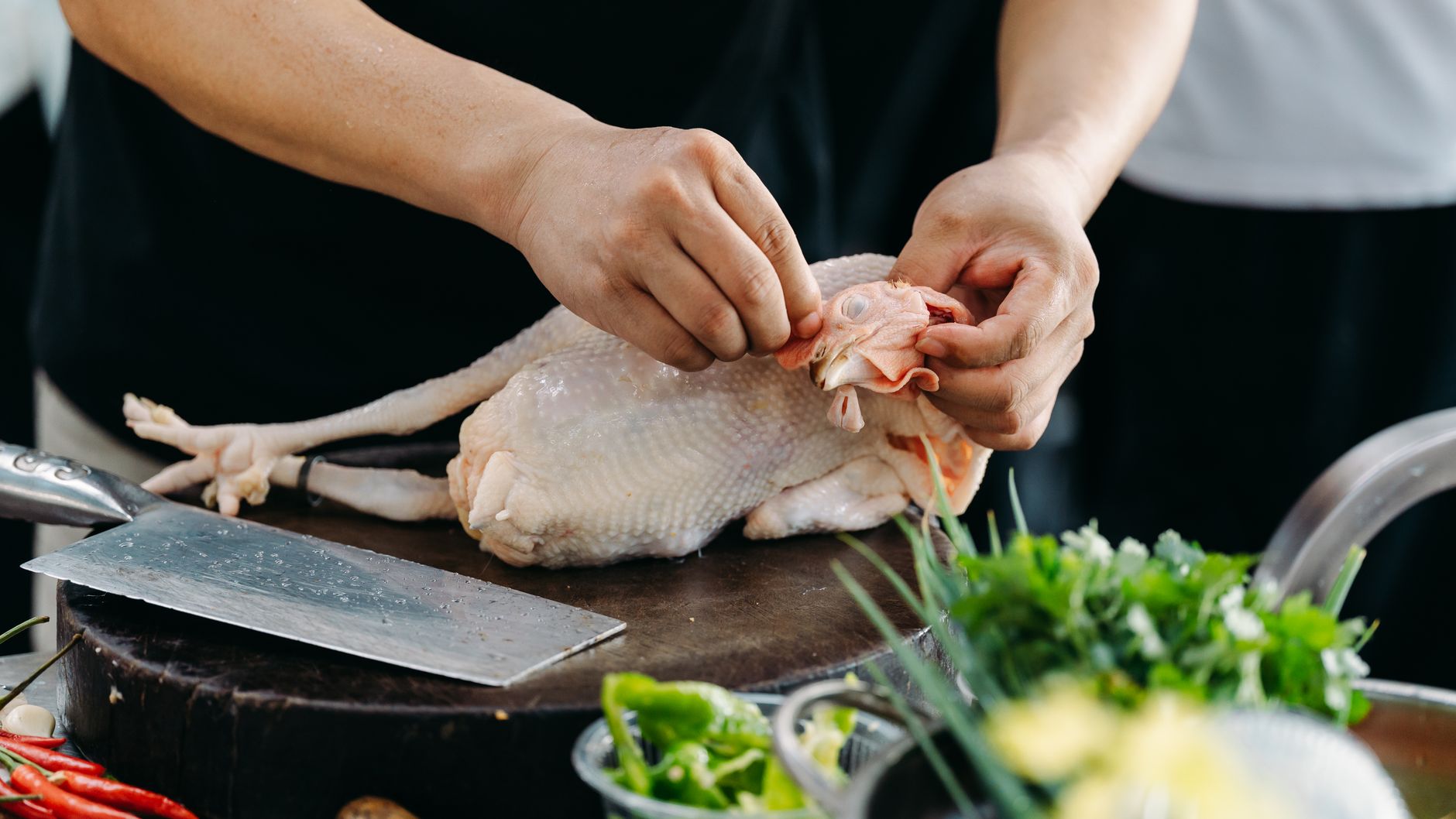
Campylobacter, conversely, is far more opportunistic and frequently contaminates cheap, factory-farmed poultry. Dogs fed low-quality, poorly sourced raw chicken can develop severe bacterial gastroenteritis from this specific pathogen. Sourcing meat from reputable, human-grade suppliers is a non-negotiable requirement for raw feeding safety.
The primary bacterial risk actually falls on the human family members handling the food. Cross-contamination on kitchen counters, cutting boards, and dog bowls poses a serious threat to young children and immunocompromised adults.
🚨 Vet Fact: A dog's stomach acid is highly concentrated, sitting around a pH of 1 to 2 when actively digesting raw meat. This extreme acidity acts as an aggressive biological incinerator, destroying the vast majority of harmful bacteria consumed.
How Do You Balance A DIY Raw Dog Diet?
Tossing random cuts of meat into a bowl is a guaranteed recipe for long-term health disasters. Creating a biologically appropriate raw diet requires strict adherence to the proven 80/10/10 ratio rule. This exact formula mimics the anatomical makeup of whole prey consumed by wild canines.
- 80 Percent Muscle Meat: This forms the core of the diet, providing essential proteins, fats, and water-soluble vitamins. This includes heart meat, which is heavily worked muscle, not a secreting organ.
- 10 Percent Edible Bone: Soft, non-weight-bearing bones like poultry necks or rabbit ribs supply the exact calcium and phosphorus needed for skeletal health.
- 10 Percent Secreting Organs: This category is the multivitamin of the raw diet. Exactly half of this allowance (5 percent) must be pure liver, while the other half can be kidney, spleen, or testicles.
Failing to include secreting organs leads to rapid deficiencies in vital nutrients like Vitamin A, Vitamin D, and essential trace minerals.
How Do You Safely Transition A Dog To Raw Food?
Switching a dog abruptly from heavily processed dry food to rich, raw protein almost always causes explosive digestive upset. The canine gut microbiome needs time to physically alter its bacterial composition to break down raw tissue effectively. Patience is the ultimate key to a successful, mess-free dietary transition.
A highly advanced strategy for sensitive breeds, like Frenchies, is the "Temperature Shock" method. Instead of serving ice-cold raw meat directly from the fridge, lightly sear the outside of the meat in a hot pan for ten seconds. This gently warms the protein and kills surface bacteria without cooking the essential inner bone, encouraging the dog's stomach to naturally ramp up acid production.
Never mix dry kibble and raw meat in the exact same bowl during a meal. Kibble requires a highly alkaline environment to digest, while raw meat demands an incredibly acidic environment. Forcing the stomach to do both simultaneously causes severe fermentation, painful gas, and terrifying bouts of diarrhea.
🐾 Snoutbit Pro-Tip: During the initial transition phase, supplement the diet with a high-quality canine probiotic powder. Flooding the gut with beneficial bacteria drastically reduces the risk of transition diarrhea and speeds up the microbiome adjustment.
Does Weather Affect Raw Feeding Safety?
Local climate aggressively dictates how strict raw feeding hygiene protocols must be. During the sweltering heat of a US Southern summer or an intense Australian heatwave, raw meat spoils with terrifying speed. Leaving a bowl of raw food sitting on the patio for a grazing dog is incredibly dangerous in high temperatures.
If a dog does not finish their raw meal within fifteen minutes, the bowl must be immediately removed, covered, and refrigerated. In humid environments, like coastal Florida or tropical Queensland, the rapid growth of hazardous bacteria accelerates exponentially. Thawing frozen meat should only happen safely inside a refrigerator, never left sitting out on a warm kitchen counter.
For robust outdoor breeds like Staffies or Kelpies, frozen raw meals are a brilliant summertime hack. Handing an energetic dog a completely frozen turkey neck provides incredible, cooling enrichment while keeping the meat perfectly safe from rapid bacterial growth.
🚨 Vet Fact: Raw feeding is strictly contraindicated for any dog currently undergoing heavy immunosuppressive therapy, such as chemotherapy. Their compromised immune systems cannot safely handle the natural bacterial load found in uncooked proteins.
What To Do Next
Navigating the transition to a raw diet for dogs does not have to be an overwhelming, anxiety-inducing process. Armed with an understanding of exact ratios and strict hygiene protocols, providing a biologically appropriate diet becomes a simple routine.
Here are two simple, immediate steps to take today to explore natural feeding:
- Audit Freezer Space: Walk to the kitchen and realistically assess the current freezer capacity. Successful raw feeding requires buying meat in bulk to reduce costs, meaning a dedicated chest freezer is often a mandatory first investment.
- Find A Holistic Professional: Call a certified veterinary nutritionist this week to discuss custom meal formulation. Never guess with calcium-to-phosphorus ratios; get a professionally balanced recipe tailored specifically to the dog's exact weight, age, and activity level.
Disclaimer: The content on Snoutbit.com is for informational and educational purposes only and is not intended to replace professional veterinary advice, diagnosis, or treatment. Always consult with your veterinarian before making significant changes to your dog’s diet, exercise routine, or health regimen.