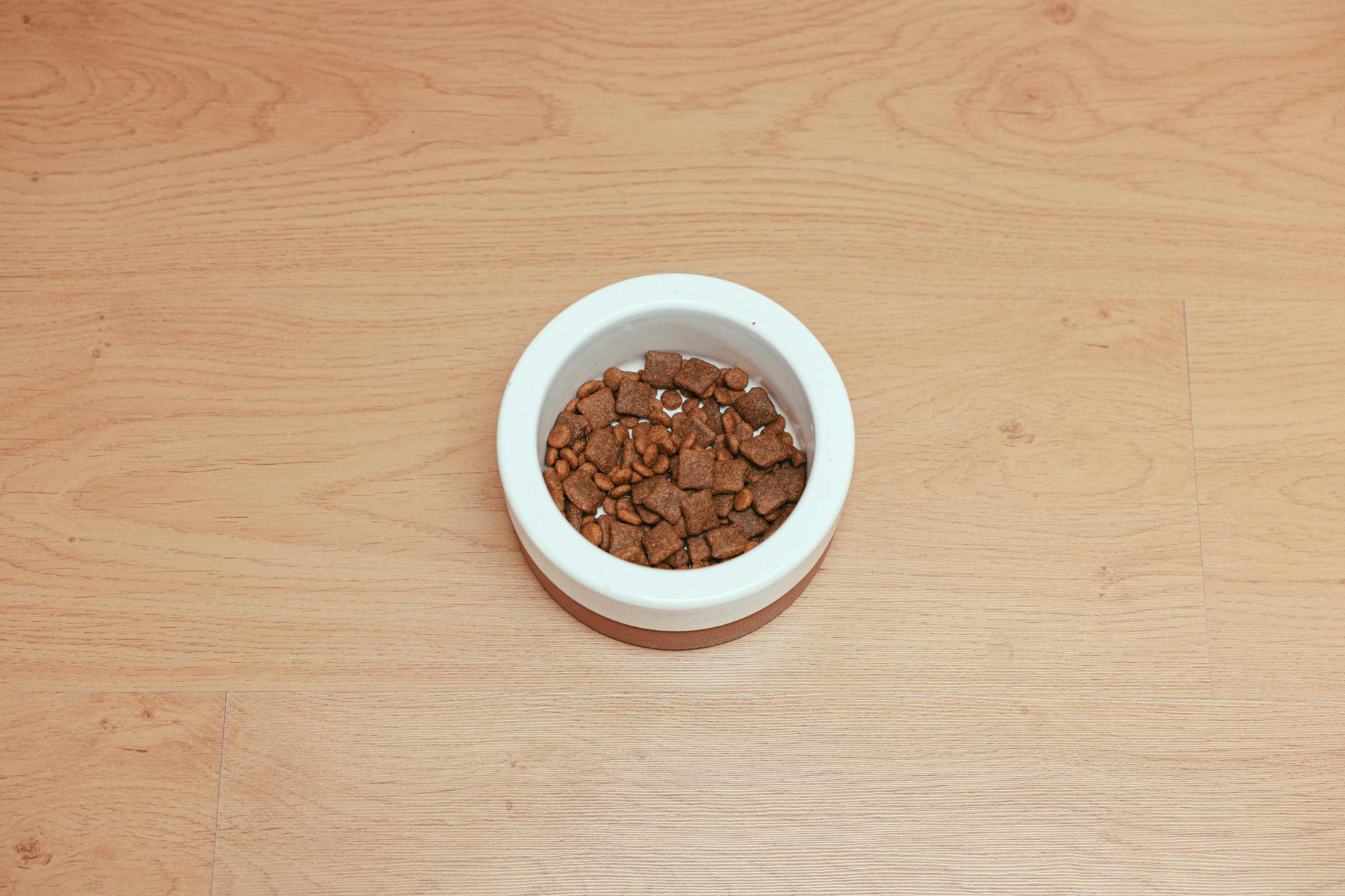
The Anti-Aging Bowl: What Is The Best Diet For A Longer Dog Life?
What Is The Best Diet For A Longer Dog Life?
Watching a beloved dog age rapidly and lose their puppy-like vitality is the hardest part of pet parenthood. Conflicting marketing claims on brightly colored pet food bags leave families paralyzed by choice, fearing that the wrong kibble will slowly poison their best friend. The absolute best diet for a longer dog life relies on two foundational, science-backed rules: restricting daily caloric intake by twenty-five percent to maintain a razor-thin body condition, and replacing at least twenty percent of highly processed kibble with fresh, antioxidant-rich whole foods.

Implementing these two exact strategies physically reduces systemic cellular inflammation, which is the biological root cause of premature canine aging. Adding fresh berries, steamed cruciferous vegetables, and high-quality omega-3 fatty acids actively neutralizes the oxidative stress that damages healthy DNA. Extending a dog’s lifespan does not require purchasing a five-hundred-dollar bag of exotic food. It simply requires intelligent, highly targeted nutritional adjustments right inside the home kitchen.
Why Do Commercial Diets Accelerate Canine Aging?
Extruded dry kibble is incredibly convenient, but relying exclusively on a highly processed diet comes with a massive, hidden biological cost. During the aggressive, high-heat manufacturing process used to create dry food, dangerous compounds called Advanced Glycation End Products (AGEs) are formed. These toxic compounds actively bind to healthy proteins and lipids inside the canine body, stiffening tissues and rapidly accelerating the physical aging process.
Decades of exclusive kibble feeding essentially force the dog's immune system to constantly battle low-grade inflammation. This silent inflammation silently damages vital organs over time, eventually manifesting as chronic kidney disease, severe joint arthritis, or cognitive decline. To combat this, the daily intake of AGEs must be drastically reduced by introducing fresh, unheated moisture back into the bowl.
🚨 Vet Fact: Canine cancer rates have skyrocketed over the last three decades, highly correlating with the rise of ultra-processed, high-carbohydrate commercial diets. Reducing the carbohydrate load and increasing fresh, cancer-fighting phytonutrients is the ultimate preventative health strategy.
Does Caloric Restriction Actually Add Years?
The single most proven, scientifically validated method for extending a canine lifespan is strict, unwavering caloric restriction. A landmark, twenty-year veterinary study following groups of Labrador Retrievers proved that feeding twenty-five percent fewer calories extended lifespans by nearly two full years. The dogs kept exceptionally lean also suffered significantly less osteoarthritis and delayed the onset of chronic diseases entirely.
Veterinary behaviorists frequently observe owners accidentally loving their dogs to death with excessive treats and oversized meal portions. Take the common scenario of an overweight Golden Retriever struggling to stand up off the living room floor by age seven. Once that dog’s daily calories are strictly slashed and the excess weight drops, the heavy burden on their deteriorating cartilage vanishes, restoring years of comfortable mobility.

Carrying excess adipose (fat) tissue is not just a cosmetic issue; canine fat is a highly active, dangerous endocrine organ. Fat constantly pumps inflammatory hormones directly into the bloodstream, actively attacking healthy joints and internal organs around the clock. Keeping a dog lean is the ultimate, free anti-aging medicine available to every single pet parent today.
How To Score Canine Body Condition At Home
Ditch the bathroom scale completely and focus exclusively on the visual and physical Body Condition Score (BCS). A dog should consistently score a four or five on the traditional nine-point veterinary scale. This exact score guarantees optimal health and maximum longevity.
- The Visual Tuck: When looking at the dog from the side, the abdomen should tuck upward sharply behind the ribcage.
- The Aerial View: Looking straight down from above, the dog must possess a clearly defined, hourglass-shaped waistline just behind the ribs.
- The Touch Test: The ribs must be easily felt with very light pressure, feeling exactly like the bones on the back of a human hand.
🐾 Snoutbit Pro-Tip: Implement a strict "Treat Tax" for the entire household to prevent accidental overfeeding. Calculate ten percent of the dog's daily caloric limit, place exactly that many treats in a jar every morning, and once the jar is empty, treat time is over for the day.
The 20% Fresh Food Rule Explained
Transitioning a dog entirely to a raw or fresh-cooked diet is expensive and time-consuming, but massive benefits exist in the middle ground. Canine nutritionists highly recommend the "20% Rule," which involves replacing one-fifth of the daily kibble volume with fresh, whole foods. This simple inclusion floods the canine gut microbiome with live enzymes and vital antioxidants that standard kibble simply cannot provide.
This approach creates a diverse, highly resilient gut flora, which dictates almost every facet of the canine immune system. A healthy gut lining successfully blocks toxins from entering the bloodstream and reduces the cellular wear-and-tear that causes visible aging. Fresh foods act as microscopic bodyguards, actively scavenging the free radicals that destroy healthy canine DNA over time.
Which Fresh Foods Fight Cellular Aging?
Creating an anti-aging bowl requires selecting ingredients specifically known for their high antioxidant and anti-inflammatory properties. Always rotate these additions to provide a broad spectrum of vital, life-extending vitamins.
- Blueberries: These tiny, low-calorie berries are packed with anthocyanins that actively protect the aging canine brain from cognitive dysfunction.
- Steamed Broccoli: Cruciferous vegetables contain sulforaphane, a powerful compound clinically shown to fight cellular degradation and target cancer cells.
- Sardines in Water: Small, oily fish provide a massive boost of natural, highly bioavailable omega-3 fatty acids for pristine heart health.
How Does Climate Affect Senior Dog Nutrition?
Local environmental extremes place massive, silent stress on an aging dog's cardiovascular and respiratory systems. During the brutal, sweltering heat of an Australian outback summer, senior dogs completely lose their appetites as their bodies desperately try to stay cool. Forcing a dog to digest a massive, heavy bowl of dry kibble during a heatwave rapidly elevates their internal core temperature.
To combat extreme summer heat, smart pet parents switch to smaller, moisture-rich meals heavily diluted with cooling bone broth. This prevents dangerous dehydration, which immediately concentrates stomach acids and damages sensitive kidney tissues. Whether navigating the thick humidity of the US South or dodging the intense Aussie tick seasons, hydration is a critical longevity factor.
Working breeds like Kelpies and robust companions like Frenchies process environmental heat entirely differently, but both require dietary adaptations. A Frenchie struggling to breathe in heavy humidity is experiencing intense systemic oxidative stress. Adding cooling, watery foods like fresh cucumber and watermelon safely mitigates this physical damage without packing on heavy calories.
🚨 Vet Fact: Canine cognitive dysfunction (dementia) affects over sixty percent of dogs aged eleven or older. Flooding the brain with medium-chain triglycerides (MCTs), found abundantly in unrefined coconut oil, provides an alternative fuel source that dramatically slows cognitive decline.
Are Omega-3s The Ultimate Anti-Aging Supplement?
Joint pain is often the very first visual indicator of canine physical decline and rapid aging. When a dog stops moving due to painful arthritis, their cardiovascular health plummets, and fatal obesity sets in rapidly. Protecting the joint capsules early is not just about daily comfort; it is a critical, life-extending longevity strategy.
Standard fish oils contain EPA and DHA, which are fantastic for heart health and keeping the coat shining brilliantly. However, elite anti-aging nutrition points directly toward New Zealand Green-Lipped Mussel (GLM) extract for unparalleled joint preservation. GLM contains a rare, highly potent omega-3 fatty acid called ETA, which aggressively shuts down the specific enzymes responsible for joint inflammation.
Preventing early cartilage degradation allows energetic breeds like Staffies and Blue Heelers to maintain vital cardiovascular exercise well into their double digits. Dogs that continue moving pain-free organically maintain their lean muscle mass, directly extending their lifespan. Add GLM powder directly to the daily bowl to keep aging joints perfectly lubricated and entirely pain-free.
🐾 Snoutbit Pro-Tip: Store all liquid fish oils and raw supplements exclusively in the dark, cold depths of the refrigerator. High-quality omega-3 fatty acids oxidize and turn dangerously rancid incredibly fast when left out on a warm kitchen counter.
What To Do Next
Extending a canine companion's lifespan does not require waiting for future miracle drugs or spending thousands on boutique meal delivery services. True longevity is achieved through immediate, daily lifestyle optimization and incredibly strict portion control. Taking control of the food bowl today literally adds healthy, vibrant years to a dog's life tomorrow.

Here are two simple, immediate steps to take today to promote canine longevity:
- Conduct The Rib Test: Perform the physical body condition touch test tonight before serving dinner. If the ribs are difficult to feel under a layer of padding, reduce the total daily kibble volume by ten percent immediately.
- Start The 20% Swap: Purchase a carton of fresh, organic blueberries and a tin of water-packed sardines this afternoon. Remove a tiny handful of kibble from tomorrow morning's bowl and replace it with these two powerful, anti-aging superfoods.
Disclaimer: The content on Snoutbit.com is for informational and educational purposes only and is not intended to replace professional veterinary advice, diagnosis, or treatment. Always consult with your veterinarian before making significant changes to your dog’s diet, exercise routine, or health regimen.