
Your Puppy’s First 90 Days: A Critical Window for Success
Bringing home a new ball of fluff is a whirlwind of joy and sharp teeth. The first three months of a puppy’s life are the most formative, determining their lifelong health, behavior, and social skills. If you feel overwhelmed, you aren’t alone—but you need a plan.
Can you raise a well-adjusted dog by following a strict age-based roadmap? Yes. By focusing on high-quality nutrition, positive socialization, and a consistent routine between weeks 4 and 12, you set the foundation for a thriving adult dog.
The Chaos of “New Puppy Brain”
You’re likely dealing with sleepless nights, ruined carpets, and “land shark” biting. This “Problem” phase is exhausting and often leads to the “Puppy Blues.”
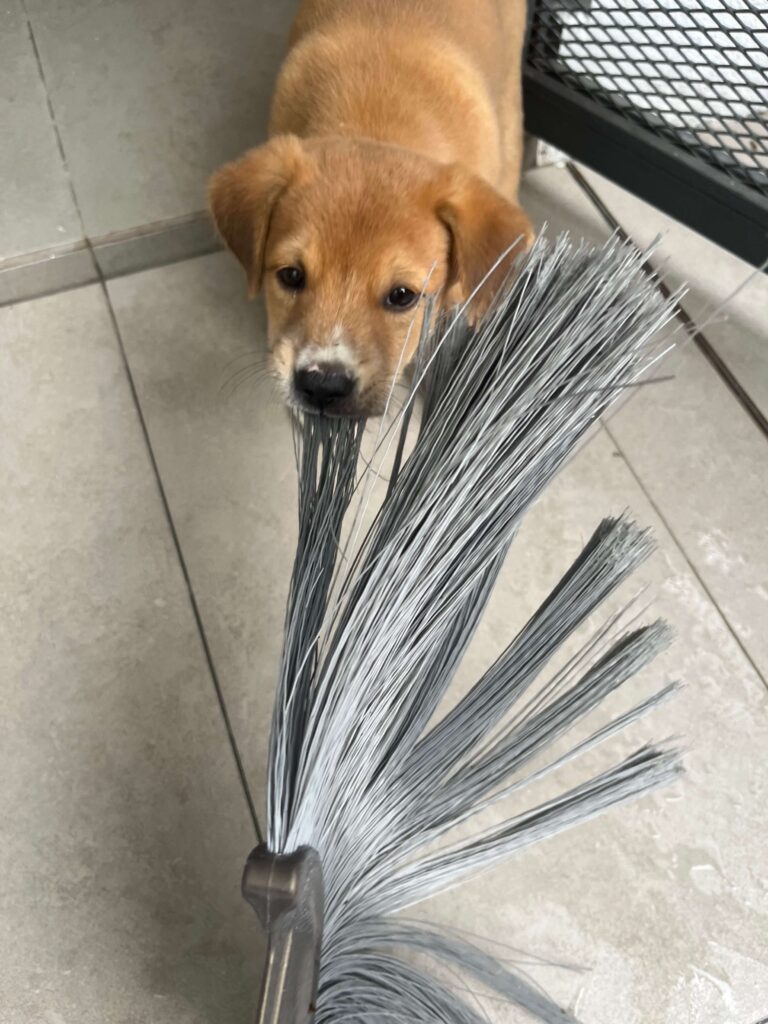
Why the First 12 Weeks Matter
If you miss the socialization window or skip core vaccinations, the “Agitation” begins. Behavioral issues like leash reactivity or preventable illnesses like Parvovirus can cost thousands in vet bills and years of stress.
The Science-Backed Solution
This guide provides an elite SEO-optimized, vet-approved blueprint. We break down the physical milestones, dietary needs, and training goals for every stage of your puppy’s development.
Month 1: The Foundation (Weeks 4 to 8)
During this phase, puppies usually stay with their mother and littermates. This is where they learn “bite inhibition” and basic canine communication. If you are fostering an orphaned puppy or a rescue, your role as a surrogate is intensive.
H3: Sensory and Social Development
At four weeks, a puppy’s world expands. They begin to move with purpose and interact with their environment.
- Hearing and Vision: Eyes are fully open, and ears are functioning, though depth perception is still developing.
- Social Play: Puppies begin wrestling. This teaches them that biting too hard ends the fun.
- Exploration: They start venturing away from their sleeping area to eliminate, signaling the start of natural hygiene instincts.
H3: Transitioning to Solid Food
Weaning begins around week four. Puppies move from maternal milk to a “slurry” of high-quality puppy kibble mixed with warm water or canine milk replacer.
Bottom line: Puppies need calorie-dense food formulated for growth, not adult maintenance. Look for AAFCO-compliant labels that specify “for growth” or “all life stages.”
Month 2: The Transition Home (Weeks 8 to 12)
Week eight is the industry standard for puppies to go to their forever homes. This is the most critical period for E-E-A-T (Expertise, Experience, Authoritativeness, and Trustworthiness) in your care routine.
H2: Health and Preventive Medicine
Your first vet visit is non-negotiable. Puppies lose the protection of maternal antibodies around this time and become vulnerable to environment-borne pathogens.
- DHPP Vaccine: Protects against Distemper, Hepatitis, Parainfluenza, and Parvovirus.
- De-worming: Almost all puppies are born with intestinal parasites; multiple rounds of treatment are required.
- Heartworm/Flea Prevention: Start these as soon as your vet gives the weight-based green light.
H3: Mastering the Potty Training Routine
Consistency is your best friend. A 2-month-old puppy can generally only hold their bladder for two hours.
- Take them out after every meal, nap, and play session.
- Use a “high-value” reward (like a small piece of boiled chicken) the instant they finish outside.
- Never punish accidents; it only teaches them to hide the “evidence” from you.
H3: The Socialization Golden Window
The window for socialization starts closing around 12 to 14 weeks. You must expose your puppy to new sights, sounds, and surfaces safely.
Pro-tip: Carry your puppy in a bag or stroller if they aren’t fully vaccinated. This allows them to see the “scary” world (buses, umbrellas, bearded men) without touching contaminated ground.
Month 3: Confidence and Command (Weeks 12 to 16)
By month three, your puppy is a sponge. Their personality is emerging, and they are physically stronger. This is when “Problem” behaviors like jumping or barking often solidify if not addressed.
H2: Advanced Training and Boundaries
Now is the time to move beyond “Sit.” Focus on “Recall” (coming when called) and “Leave It.”
- Positive Reinforcement: Use a clicker or a marker word (“Yes!”) to pinpoint the exact moment they do something right.
- Crate Training: This isn’t a “jail”—it’s a den. A crate-trained puppy is safer, calmer, and easier to travel with.
- Nipping Management: As teething intensifies, provide frozen carrots or specialized rubber toys to soothe sore gums.
H3: Nutrition and Weight Management
As your puppy grows, their caloric needs shift. Large breed puppies (like Labradors or Great Danes) require controlled growth formulas to prevent orthopedic issues like hip dysplasia.
| Feature | 1 Month | 2 Months | 3 Months |
|---|---|---|---|
| Feeding Frequency | 4 times/day (Slurry) | 3-4 times/day (Kibble) | 3 times/day |
| Sleep Needs | 20+ hours | 18-20 hours | 16-18 hours |
| Training Focus | Litter Socialization | Housebreaking | Basic Commands |
Export to Sheets
H3: Professional Grooming Introduction
Even if your dog has short hair, they need to be comfortable with handling. Touch their paws, ears, and mouth daily. Introduce the sound of blow dryers and the feel of a brush early to avoid “groomer anxiety” later in life.

Essential Supplies Checklist for the First 3 Months
To keep your puppy safe and your house intact, you need the right gear. Don’t wait until the puppy is home to realize you’re missing the essentials.
- Enzyme Cleaner: Standard soap won’t remove the scent of urine; you need enzymes to prevent repeat accidents.
- Size-Adjustable Crate: A crate that grows with your puppy saves money and aids housebreaking.
- Appropriate Toys: Avoid “indestructible” toys that are too hard for puppy teeth; stick to flexible rubber or plush (supervised).
- Identification: A collar with a tag and a microchip are your puppy’s “insurance policy” if they slip through the door.
Troubleshooting Common Puppy Problems
H2: Dealing with Biting and “The Zoomies”
Puppies often act out when they are over-tired. Just like a human toddler, a puppy who is biting uncontrollably likely needs a forced nap in their crate.
H3: Separation Anxiety Prevention
Start leaving your puppy alone for short increments (5–10 minutes) starting at week 9. If you are always with them, they will never learn self-regulation.
H3: When to Call the Vet
Watch for “Red Flag” symptoms that require immediate attention:
- Lethargy: A puppy that won’t play or eat.
- Persistent Diarrhea: This leads to rapid dehydration in small bodies.
- Vomiting: Especially if accompanied by a bloated abdomen.
Final Thoughts: The Reward of Patience
Raising a puppy from 1 to 3 months is a marathon, not a sprint. You will have moments of frustration, but the work you put in now pays dividends for the next 15 years. Stay consistent, stay empathetic, and prioritize your puppy’s mental health alongside their physical needs.
By following this roadmap, you aren’t just raising a pet; you are shaping a companion. Keep your training sessions short (5 minutes), your treats high-value, and your patience endless.
Disclaimer: This article is for informational purposes only and does not constitute veterinary medical advice. Always consult with a licensed veterinarian before altering your pet’s diet, starting a new training regimen, or addressing health concerns.