
Over 10 million dogs go missing in the US every single year. You desperately want to protect your best friend, but you are absolutely sick of the endless monthly software fees draining your bank account.
Yes, you can find a gps dog collar with no monthly subscription fee, but you must choose between two distinct technologies. True GPS trackers without fees use expensive radio frequency (RF) systems, while cheap, fee-free trackers rely entirely on short-range Bluetooth networks.

Most owners buy a sleek, modern pet tracker for $50, only to activate it and hit a mandatory paywall. You are held hostage by a cellular network contract just to know your dog is safe in your own backyard.
You need tech that works instantly when survival is on the line. Let’s break down the hidden costs, expose the tracking industry secrets, and find the perfect off-grid solution to keep your pack completely safe.
The Hidden Cost of Canine Tracking
When you search for a canine location tracker, the market is flooded with subscription-based models. Companies like Fi, Tractive, and Whistle dominate the space, but they carry a massive financial catch.
Using the Problem, Agitate, Solution (PAS) framework, let’s look at exactly why you are being forced to pay monthly, and how you can legally bypass it.
Why Your Escape Artist Demands Action
If you own a Husky, a Hound, or a terrified rescue dog, you know the pure panic of a slipped leash. An open gate or a sudden loud noise can turn a quiet afternoon into a terrifying neighborhood search.
These high-flight-risk breeds require immediate intervention the second they leave your property. You cannot wait hours hoping they wander back home to their food bowl. You need a device that pinpoints their exact location the second they cross your property line.
The Cellular Data Trap Explained
Why do popular tracking collars charge a mandatory $10 to $15 monthly fee? Because their collars contain internal SIM cards that ping cell towers, exactly like your personal smartphone does.
These companies are essentially charging you a monthly cell phone bill for your dog. To completely eliminate that recurring fee, you must abandon the cellular data network entirely. You must pivot to hardware that generates its own independent tracking signal.
[Image: A frustrated pet owner holding a smartphone with a lost dog tracking app, looking stressed while standing in a quiet suburban neighborhood.]
True GPS vs. Bluetooth: Decoding the Tech
When searching for a tracker without a contract, you are forced down one of two technological paths. You must pick the exact technology that actually matches your daily environment.
Choosing the wrong technology will leave you staring at a blank screen while your dog is miles away.
The Bluetooth Illusion (Apple AirTags)
Bluetooth tags are heavily marketed as the ultimate cheap tracking solution. They cost under $30, boast a massive battery life, and require absolutely zero monthly fees to operate.
But there is a fatal flaw: Bluetooth tags do not possess internal GPS receivers. They rely entirely on pinging nearby smartphones to crowd-source a location signal back to you.
If your dog is lost deep in a rural forest with no iPhones within 30 feet, the tag goes totally dark. They are brilliant for finding your lost keys, but they are a massive gamble for tracking a sprinting animal.
The Radio Frequency (RF) Powerhouse
Radio Frequency trackers are the original, hardcore solution built specifically for hunting dogs. A handheld remote connects directly to the collar via VHF radio waves, completely bypassing cell towers and monthly subscriptions.
These systems offer true, real-time location tracking deep in the wilderness where cell service does not even exist. The catch? The upfront equipment cost is incredibly high, often running past $400 for the base unit.
Top Picks: Finding a GPS Dog Collar With No Monthly Subscription Fee
If you refuse to pay a monthly bill, you must invest heavily in the upfront hardware. These are the top-tier, vet-approved solutions that will actually keep your dog safe off the grid.
The Premium Standard: Garmin Alpha & Astro Series
Garmin is the undisputed king of fee-free, off-grid canine tracking. Their systems use incredibly precise satellite tracking combined with VHF radio technology to pinpoint your dog up to 9 miles away.
There are no hidden apps, no cellular dead zones, and absolutely zero monthly bills. It is a massive upfront investment, but it is the ultimate failsafe for rural pet owners, avid hikers, and sporting dogs.
If your dog spends time off-leash in the deep woods, a Garmin system is the only tracker you should ever trust.
The Urban Commuter: Petfon GPS Tracker
Petfon is a highly unique hybrid device that bridges the massive gap between expensive RF systems and cheap Bluetooth tags. It uses a combination of GPS, WiFi, and Bluetooth to track your pet without a SIM card or cellular subscription.
It works brilliantly in dense urban parks and tight suburban neighborhoods. However, the physical range is limited to about 3.5 miles in open areas and vastly less in dense concrete cities.
[Image: A rugged Garmin tracking collar sitting on a wooden table next to a digital handheld mapping device, illustrating off-grid tracking technology.]
4 Fatal Tracking Mistakes Pet Parents Constantly Make
Buying the hardware is only step one. Elite pet behaviorists see desperate owners make the same dangerous errors every single summer.

Do not let a false sense of technological security put your dog at massive risk. Ensure you are avoiding these four critical tracking failures:
- Mistake 1: Relying Solely on Microchips. A microchip is not an active tracking device. It is a dormant barcode under the skin that only works if a stranger physically captures your dog and drives them to a clinic with a universal scanner.
- Mistake 2: Ignoring Battery Life Specs. A dead tracker is just an expensive, heavy necklace. RF trackers drain batteries rapidly in active mode, meaning you must charge them nightly to guarantee they work during a crisis.
- Mistake 3: Skipping the Geofence. The best defense is always early detection. Failing to set up a virtual boundary perimeter on your tracking device means you won’t get a phone alert until your dog is already miles away.
- Mistake 4: Using Flimsy Collar Attachments. Escape artists are masters of destruction. If you mount a $400 GPS tracker on a cheap, plastic break-away collar, your dog will slip out of both the collar and the tracking unit simultaneously.
Training is the Ultimate Tracker
No piece of expensive technology replaces rock-solid obedience training. A flawless emergency recall command is your absolute first line of defense against a roadside tragedy.
A GPS unit is simply the backup parachute when the behavioral training fails. You must actively practice recall daily with high-value treats to keep your dog biologically hardwired to return to you on command.
Making the Right Choice for Your Pack
You must explicitly match the tracking technology to your dog’s specific behavioral profile and your geographical living environment. Buying the wrong tech leaves a massive, dangerous hole in your dog’s safety net.
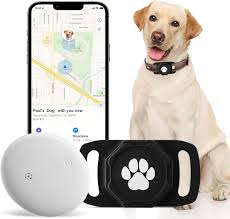
The City Dweller Strategy
If you live in downtown Manhattan or a heavily populated suburb, a Bluetooth tag or a short-range Petfon system is highly effective. The extreme density of other smart devices virtually guarantees your dog’s signal will be instantly picked up if they slip their harness at the local dog park.
The Rural Roamer Strategy
If you live on ten acres, hike mountains on the weekends, or own a high-prey-drive hound, Bluetooth will get your dog killed. You absolutely must invest the upfront cash into a true radio frequency GPS collar like a Garmin to guarantee off-grid survival.
Stop paying the monthly cellular tax. Invest in the right hardware upfront, train your dog relentlessly, and finally enjoy the peace of mind you deserve.
Disclaimer: The content on Snoutbit.com is for informational and educational purposes only and does not constitute professional veterinary medical advice. Always consult with a licensed veterinarian before altering your pet’s diet, starting a new training regimen, or addressing behavioral or health concerns.