Did you know that well-meaning animal lovers constantly drop off items that rescues are legally forced to throw straight into the dumpster?
If you are wondering exactly what supplies are needed most by animal shelters, the answer is unopened bags of dry kibble, heavy-duty bleach, enzymatic floor cleaners, non-clumping cat litter, durable rubber Kong toys, and clean fleece blankets. While physical items are highly appreciated, direct cash donations remain the ultimate lifeline for covering emergency veterinary medical bills.

You bag up a ripped, smelly dog bed and half-empty boxes of expired treats, assuming the local municipal pound will be thrilled. The harsh reality? Overworked rescue staff must waste precious hours sorting through your unusable trash.
This creates massive disposal fees for nonprofit organizations that are already operating on a shoestring budget. Let’s fix your donation strategy right now. We are going to ensure your extreme generosity actually saves canine lives instead of creating a massive logistical nightmare for the volunteers.
The Core Problem: Why “Good Intentions” Cost Shelters Money
You clean out your garage and find a rusty wire crate and a bag of generic dog food that expired two years ago. Dropping this off at the local rescue feels like a massive win for your weekend productivity.
However, animal shelters operate under strict municipal health codes and rigid veterinary standards. They are not a dumping ground for items you simply do not want to throw in your own trash can.
When you donate unusable garbage, you actively hurt the dogs you are trying to save.
The Hidden Dumpster Fees
Municipal shelters and private 501(c)(3) rescues have to pay commercial rates for their weekly trash pickup. When a donor drops off heavily soiled couch cushions or broken plastic toys, the staff immediately throws them away.
These massive items quickly fill the commercial dumpsters behind the facility. The shelter is then forced to pay hundreds of dollars in extra disposal fees just to haul away the donated junk.
That is money directly stolen from their emergency medical fund.
Strict Veterinary Health Codes
Canine parvovirus, distemper, and upper respiratory infections run rampant in crowded shelter environments. Because of these terrifying biological threats, shelters cannot accept anything that cannot be aggressively sanitized.
A used plush dog bed is a massive sponge for ringworm and deadly bacteria. If an item cannot be soaked in heavy bleach or run through an industrial washing machine on high heat, the shelter cannot legally use it.
The Lifesavers: What Supplies Are Needed Most By Animal Shelters
If you want to make an immediate, physical impact, you must buy exactly what the shelter uses on a daily basis. Walking into a facility with the right supplies instantly boosts staff morale.
You must focus entirely on sanitation, daily nutrition, and durable daily operations.
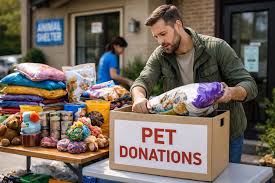
Here are the absolute highest-priority physical items every single rescue organization desperately needs today.
Heavy-Duty Cleaning Arsenals
Cleaning is the absolute hardest, most time-consuming job on the kennel floor. Feces, urine, and shed fur accumulate at an astonishing rate when you house fifty dogs in a single building.
Shelters burn through cleaning supplies faster than any other physical inventory.
Here is the ultimate shelter cleaning donation list:
- Unscented Liquid Bleach: The undisputed king of kennel sanitation and parvo prevention.
- Enzymatic Cleaners: Specialized sprays that chemically break down urine proteins on concrete floors.
- Heavy-Duty Trash Bags: 55-gallon contractor bags are mandatory for daily waste removal.
- Paper Towels: Shelters use dozens of rolls every single day to wipe down stainless steel cages.
- Dish Soap (Dawn): The safest, most effective degreaser for scrubbing hundreds of food bowls.
Daily Nutrition and Prescription Diets
Food is an endless daily expense. Most shelters maintain a specific contract with a major kibble brand to prevent sudden dietary changes that cause explosive diarrhea.
Always call your local shelter’s front desk and ask what specific brand of dry dog food they currently feed. Buy that exact brand in the largest, heaviest bags you can safely lift.
Furthermore, shelters are desperate for highly specialized, expensive veterinary diets. Unopened cans of gastrointestinal wet food, hydrolyzed protein kibble for severe allergies, and high-calorie puppy formulas are pure gold to a rescue coordinator.
Enrichment and Comfort: Protecting Canine Mental Health
A dog sitting in a loud, concrete run for twenty-three hours a day will quickly lose their mind. Severe boredom leads directly to frantic kennel pacing, barrier reactivity, and deep depression.
Mental enrichment is not a luxury in a shelter; it is a biological necessity for survival.
You can directly protect a dog’s mental health by donating the right durable equipment.
Durable Chew Toys (No Plushies!)
A bored pit bull mix will absolutely destroy a stuffed animal in three seconds flat. Swallowing the synthetic fluff guarantees an expensive emergency bowel obstruction surgery.
You must strictly donate heavy-duty, indestructible rubber chew toys. The classic red or black rubber Kong is the industry standard.
Shelter volunteers stuff these thick rubber toys with wet food and freeze them solid. This provides hours of focused, anxiety-reducing licking that naturally lowers a terrified dog’s heart rate.
Linens, Towels, and Fleece Blankets
Dogs need a soft barrier between their joints and the freezing concrete floor. However, as previously mentioned, thick dog beds are an absolute sanitation nightmare.
The perfect solution is simple, cheap fleece fabric.
Fleece blankets are incredibly warm, easily cut to size, and withstand hundreds of cycles in an industrial washing machine. Similarly, old bath towels are highly coveted for drying off dogs after mandatory flea baths. Before donating, ensure all towels are completely free of holes where a dog’s paw could become painfully trapped.
The Feline Forgotten: What Cat Rescue Wards Need Now
While Snoutbit focuses heavily on dogs, many municipal shelters handle hundreds of stray cats simultaneously. The feline ward is often severely underfunded and completely overlooked by donors.
Cats require highly specific, consumable supplies that vanish incredibly fast.
If you want to be a true shelter hero, drop off these vital feline items alongside your dog donations.
The Endless Cat Litter Crisis
A shelter housing forty cats empties a massive box of cat litter in a single afternoon. It is an expense that never, ever stops.
Most shelters strongly prefer non-clumping clay litter over the clumping variety. Clumping litter is highly dangerous for tiny kittens, who often try to eat it and suffer fatal intestinal blockages.
Buy the cheapest, heaviest bags of plain clay litter you can find at the hardware store.
Kitten Season Emergencies
Spring and summer trigger “kitten season,” flooding local shelters with orphaned, un-weaned litters. These fragile babies require round-the-clock intensive care.
The shelter medical staff is always desperate for powdered kitten milk replacer (KMR).
Tiny nursing bottles, miracle nipples, and electric heating pads without auto-shutoff features are also critical for keeping these tiny orphans alive through the night.
The Ultimate Donation: Why Cash is Always King
Buying physical supplies feels incredibly rewarding. It provides a massive dopamine hit to hand a physical bag of food to a smiling shelter worker.
However, if you want your money to stretch as far as biologically possible, you must write a check.
Direct cash is the most powerful, flexible tool a 501(c)(3) rescue organization can possess. ### Wholesale Purchasing Power
You might spend $20 on a single bottle of bleach at the local grocery store. The animal shelter has access to massive commercial distributor accounts.
That same $20 bill, when handed directly to the shelter director, buys five gallons of industrial-grade sanitation chemicals. Cash allows the shelter to instantly pivot their buying strategy based on their specific, daily emergencies.
Covering Emergency Medical Operations
A bag of dog food is wonderful, but it cannot fix a shattered pelvis. When an animal control officer brings in a dog hit by a car, the shelter must immediately authorize thousands of dollars in emergency surgical fees.
Cash donations directly fund the life-saving amputations, the severe heartworm treatments, and the critical parvo ICU stays. If you truly want to make a lasting impact today, open your wallet, visit their official website, and set up a recurring $10 monthly donation.
Disclaimer: The content on Snoutbit.com is for informational and educational purposes only and does not constitute professional veterinary medical advice. Always consult with a licensed veterinarian before altering your pet’s diet, starting a new training regimen, or addressing behavioral or health concerns.