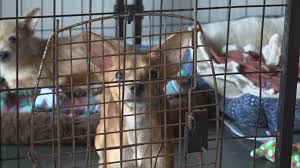
Most eager teenagers walk into an animal rescue ready to walk dogs, only to be handed a rejection letter based entirely on their birthdate. It feels incredibly unfair when municipal pounds are overflowing and animals are suffering.
So, exactly how to volunteer at local animal shelter under 18? Facilities legally require teens aged 13 to 17 to provide signed parental liability waivers or mandate an adult chaperone on-site. You can completely bypass age limits by participating in off-site fostering, running donation drives, or crafting at-home enrichment toys.Shelters are desperate for physical help, yet strict corporate insurance policies actively block minors from stepping onto the kennel floor. You want to save lives, but the legal red tape stops you right at the front door.
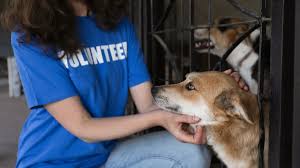
This rejection breeds intense frustration for passionate young animal lovers. We are going to expose the hidden programs and creative legal loopholes that allow teenagers to make a massive, life-saving impact right now.
The Legal Red Tape: Why Age Limits Exist
To successfully beat the system, you must understand why the rules were written in the first place. Rescues do not ban teenagers because they doubt your work ethic or passion.
The restrictions are entirely based on legal liability, federal insurance codes, and advanced canine behavioral unpredictability.
You cannot argue your way past a federal insurance mandate.
Understanding Liability and Insurance Policies
Every 501(c)(3) nonprofit animal rescue carries massive liability insurance. These insurance providers write strict clauses explicitly forbidding anyone under the age of 18 from handling live animals without parental supervision.
If a 15-year-old gets bitten by a terrified stray dog, the parents can legally sue the rescue organization for millions of dollars. A single underage injury lawsuit will permanently bankrupt a local animal shelter and force them to close their doors forever. Shelter directors must aggressively protect the organization to ensure they can continue saving animals.
The Behavioral Dangers of the Kennel Floor
Shelter dogs are actively suffering from a massive biological cortisol spike. The deafening noise, chemical smells, and severe confinement push even the sweetest dogs into a state of intense panic.
Operating in this chaotic environment requires advanced behavioral training to read subtle canine body language. A terrified dog might suddenly redirect their frustration and inflict a severe level-four bite on a handler.
Minors simply lack the physical strength and behavioral experience required to safely break up a sudden dog fight or control a lunging, 80-pound Mastiff mix.
[Image: A busy, loud animal shelter corridor with a staff member safely securing a large, nervous dog using a heavy-duty slip lead.]
Direct Action: How to Volunteer at Local Animal Shelter Under 18
You do not have to wait until your eighteenth birthday to step foot inside a rescue. You just need to target the specific programs explicitly designed for youth engagement.
Every major city has humane societies that actively carve out legal spaces for teenage volunteers.
You just have to know exactly what titles to ask for when you call the front desk.
Joining the Junior Volunteer Program
Large, well-funded shelters frequently run official “Junior Volunteer Programs” specifically for teens aged 14 to 17. These structured programs require a formal application, a signed parental consent waiver, and a mandatory weekend orientation class.
Junior volunteers are legally kept off the active dog-walking roster, but they perform vital daily operations. You will find yourself preparing specialized diets, socializing calm kittens, folding massive mountains of laundry, and deep-cleaning empty kennels.
While washing dishes might not feel glamorous, it directly frees up the adult medical staff to save critical emergency cases.
The Parental Chaperone Loophole
If you are between the ages of 10 and 13, you can still access the kennel floor using the chaperone loophole. Many rescues allow younger children to physically volunteer as long as a legal parent or guardian stands right next to them at all times.
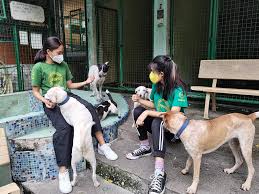
The parent officially signs the adult liability waiver and takes full legal responsibility for your physical safety.
You can read books to shy dogs through the kennel bars, which scientifically lowers their heart rates, while your parent holds the leash for an outdoor play session.
High-Impact At-Home Shelter Support
If your local municipal pound completely bans minors from the building, you must pivot your strategy. Some of the most critical, life-saving work happens entirely outside the shelter walls.
You can drastically improve a dog’s chance of adoption directly from your own living room.
These off-site tactics completely bypass all facility insurance restrictions.
The Massive Power of Fostering
A concrete kennel is no place for a terrified dog to recover. Fostering a dog saves two lives immediately: the dog you pull into your quiet home, and the dog who takes their newly empty kennel spot.
If your parents are willing to sign the foster agreement, you can take over the primary daily care. You will be directly responsible for their potty training, basic obedience, and helping them decompress from the shelter shock.Teenagers excel at fostering because they have the free time after school to provide intense, structured routine for an anxious animal.
DIY Enrichment Toy Crafting
Boredom destroys a shelter dog’s mental health faster than anything else. Dogs pacing frantically in their runs are vastly less likely to get adopted by passing families.
Shelters desperately need massive quantities of daily mental enrichment tools to keep the dogs calm.
- Frozen Kongs: Collect donated rubber Kongs, stuff them with wet food and peanut butter, and deliver them frozen to the shelter.
- Snuffle Mats: Cut up old fleece blankets and tie them to rubber sink mats to create scent-work puzzles that naturally lower canine anxiety.
- Braided T-Shirt Toys: Upcycle old, heavy cotton t-shirts into durable tug toys for strong chewers.
[Image: A teenager sitting on a living room floor, actively stuffing multiple rubber Kong toys with peanut butter and kibble to freeze for shelter dogs.]
Community Leadership and Digital Advocacy
You hold a massive advantage over the older shelter staff: you inherently understand the digital landscape. You can harness your local community and your social media networks to generate vital resources.
Money and physical supplies are the lifeblood of any 501(c)(3) organization.
Stepping up as a community organizer is the ultimate resume builder for future veterinary or nonprofit careers.
Organizing Essential Donation Drives
Consider a recent community effort organized entirely by local volunteers. They successfully raised enough emergency funds to rescue six stray dogs directly from a high-kill municipal pound and transport them to a safe shelter.
You can replicate this exact community leadership by hosting weekend supply drives at your high school or local grocery store. Call the shelter, ask for their specific “urgent needs” list, and set up a highly visible collection bin for bleach, puppy pads, and heavy-duty trash bags. A single, well-organized weekend drive can stock a struggling rescue facility for an entire month.
Mastering Social Media Photography
A blurry, dark photo of a dog hiding in the back of a kennel practically guarantees they will be overlooked by adopters. Beautiful, bright photography is the fastest way to get a dog out of the shelter system.
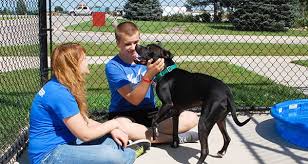
Offer your services as the shelter’s official digital content creator.
You can take high-quality portraits in the outdoor play yards, film engaging TikTok videos showcasing their goofy personalities, and write compelling, emotional biographies for their website profiles.
Building Your Professional Animal Rescue Resume
If your ultimate goal is to become a certified pet behaviorist or a licensed veterinarian, you must start building your resume today.
Every single hour you spend folding shelter towels, crafting snuffle mats, or organizing donation drives officially counts as verified volunteer hours.
You must formally track your impact.
Logging Your Verified Hours
Do not let your hard work go undocumented. Keep a strict, dedicated spreadsheet tracking the exact date, the specific tasks performed, and the total hours worked.
Ask the volunteer coordinator to formally sign off on this logbook every single month. These verified hours are incredibly powerful when applying for pre-veterinary college programs, national scholarships, or future adult shelter positions. ## What to Do Next
Stop letting your age dictate your impact. You have the exact blueprint to bypass the legal barriers and start changing canine lives today.
Take these two immediate, actionable steps right now:
- Make the Call: Call your local humane society tomorrow morning and explicitly ask the volunteer coordinator, “Do you have a Junior Volunteer Program, or do you accept off-site enrichment toy donations?”
- Start a Fleece Drive: Text five of your closest friends today and ask them to collect old, clean fleece blankets from their parents’ closets so you can begin crafting snuffle mats this weekend.
Disclaimer: The content on Snoutbit.com is for informational and educational purposes only and does not constitute professional veterinary medical advice. Always consult with a licensed veterinarian before altering your pet’s diet, starting a new training regimen, or addressing behavioral or health concerns.