Falling for an adorable sausage dog is incredibly easy, but sudden sticker shock and unexpected veterinary bills destroy that dream fast. Backyard operations are aggressively flooding the market, charging exorbitant fees for genetically compromised pups that suffer from severe spinal deformities. The absolute reality of the Miniature Dachshund price and growth in Australia 2026 is that ethically bred, DNA-tested puppies cost between $3,500 and $5,000 AUD. A healthy Miniature Dachshund reaches full physical maturity around twelve months, weighing strictly under 11 pounds (5 kg) to protect their incredibly fragile back. Skipping bargain breeders entirely saves thousands in future orthopedic surgeries.
How Much Does A Miniature Dachshund Cost In Australia In 2026?
The demand for compact, highly intelligent apartment dogs has skyrocketed across major cities like Sydney and Melbourne. This massive surge in popularity means securing a well-bred sausage dog requires joining long waitlists and paying a premium price tag. Ethical breeders who perform rigorous spinal scoring and genetic testing currently charge anywhere from $3,500 to $5,000 AUD.
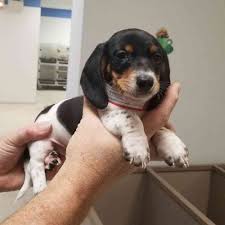
Puppies priced significantly lower than this average often come from highly unethical puppy mills cutting dangerous corners on health testing. Treating a single case of Intervertebral Disc Disease (IVDD) easily exceeds $10,000 AUD in emergency surgical costs. Paying a higher upfront premium for a structurally sound puppy acts as the ultimate insurance policy against heartbreaking spinal issues.
🐾 Snoutbit Pro-Tip: Never pay a deposit via unsecured bank transfers before physically visiting the breeding facility. Sophisticated online scammers frequently steal photos of champion-bloodline litters to fleece eager buyers out of thousands of dollars.
Why Are Dapple Dachshunds More Expensive?
Coat color heavily dictates market value within the purebred hound community across the globe. Striking patterns like silver dapple or piebald command prices creeping closer to the $5,500 AUD mark due to immense consumer demand. However, buyers must remain incredibly vigilant against unethical color-breeding practices prioritizing aesthetics over skeletal health.
A massive, hidden danger in the current market is the deceptive “Double Dapple” breeding practice. Irresponsible breeders will cross two dapple parents to produce highly lucrative, heavily white-coated puppies with striking blue eyes. This specific genetic combination frequently causes devastating congenital defects, including dogs born completely deaf or entirely without eyes.
When Do Miniature Dachshunds Stop Growing?
Understanding the precise canine growth curve is critical for protecting the unique, elongated spine of a dwarf breed. Unlike a long-legged Golden Retriever that continues filling out for two years, these tiny hounds mature at an incredibly rapid pace. The vast majority of their skeletal height is completely achieved by their six-month birthday.

From six months to twelve months, the dog simply builds dense muscle mass and broadens across the chest. By their first birthday, the crucial growth plates officially close, and the spine permanently solidifies into its adult structure. Allowing a puppy to jump off furniture or climb steep stairs before these plates fuse guarantees lifelong orthopedic pain.
🚨 Vet Fact: Miniature Dachshunds carry a specific genetic mutation called chondrodysplasia, which actively causes premature calcification of their spinal discs. Keeping them incredibly lean is the single most effective way to delay disc degeneration and prevent sudden paralysis.
How Can Owners Track Healthy Dachshund Weight?
A staggering number of companion dogs are severely overweight, putting immense, toxic stress on their skeletal frames. A true Miniature Dachshund must never exceed 11 pounds (5 kg) once fully grown. Anything heavier places catastrophic downward pressure on the center of their elongated spine.
A highly realistic behavioral consultation recently involved a “miniature” hound that weighed a shocking 18 pounds at just ten months old. The owners were told by the breeder it was a “rare, sturdy size,” entirely unaware they had been sold a standard-cross disguised as a mini. This “Tweenie Trap” forces owners to manage standard-sized weight on miniature-sized joints, leading to severe mobility issues.
- Check the ribs: You should easily feel the ribs under a thin layer of skin without pressing hard.
- Check the waist: Looking down from above, the dog must have a deeply defined, hourglass waistline.
- Check the tuck: From the side, the abdomen should tuck up sharply behind the ribcage, never hanging low to the ground.
What Are The Hidden Costs Of Owning A Sausage Dog?
The initial purchase price is merely the down payment on a highly demanding, specialized breed. Dachshunds possess incredibly stubborn, independent hunting instincts originally bred for flushing badgers out of dense underground burrows. This intense prey drive frequently translates into severe nuisance barking and destructive digging in modern suburban backyards.
Professional obedience training is an absolute non-negotiable expense to prevent severe leash reactivity. A frustrated Miniature Dachshund will easily attempt to challenge a robust Blue Heeler or a muscular Staffy at the local dog park if left unsocialized. Investing in premium harnesses, customized ramps for the living room couch, and heavy-duty chew toys adds hundreds of dollars to the annual budget.
🐾 Snoutbit Pro-Tip: Ditch the traditional neck collar immediately. Walking a Dachshund on a flat collar places dangerous pressure directly on their cervical spine; always utilize a well-fitted, Y-shaped chest harness for outdoor adventures.
Do Australian Climates Affect Dachshund Health?
Local environmental extremes act as massive multipliers for canine physical distress, especially for breeds sitting mere inches off the ground. During the brutal, sweltering heat of an Australian outback summer, pavement temperatures skyrocket to skin-melting levels. Because a Dachshund’s hairless belly drags so close to the asphalt, they absorb massive amounts of radiant heat, accelerating the risk of fatal heatstroke.

Conversely, these dogs completely lack a dense undercoat and lose body heat incredibly fast during cold, wet winters. Equipping them with water-resistant coats and thermal sweaters is mandatory for maintaining safe core temperatures during morning bathroom breaks.
Furthermore, their incredibly low stature makes them massive targets during intense coastal tick seasons. Paralyzing ticks found in Australian brush easily latch onto their chest and belly while navigating tall grass. Maintaining strict, veterinary-approved oral tick preventatives is vital, as their short legs provide zero clearance over infested vegetation.
How To Spot A Backyard Breeder In 2026?
The digital pet market is heavily saturated with backyard operations utilizing flashy websites to mask horrific breeding conditions. A legitimate, ethical breeder will proudly showcase detailed spinal scoring results and full DNA panels for both the sire and dam. If a seller dismisses health testing as “unnecessary” or claims their dogs are “naturally healthy,” immediately terminate the transaction.
An elite insight into spotting a fraudulent breeder is monitoring exactly at what age they allow the puppy to go home. Ethical operations absolutely refuse to separate a puppy from its mother before eight full weeks of age. A recent rescue case involved a terrified puppy ripped away at five weeks old, resulting in profound, lifelong separation anxiety and severe fear-biting behaviors that required years of intense rehabilitation.
🚨 Vet Fact: Feeding a growing puppy a diet loaded with cheap, simple carbohydrates creates massive blood sugar spikes that directly fuel hyperactive energy. Transitioning to a high-quality, protein-dense diet stabilizes joint growth and naturally lowers baseline anxiety significantly.
What To Do Next
Welcoming a structurally sound, ethically bred hound into the family brings decades of fierce loyalty and endless entertainment. Refusing to support unethical breeding practices actively forces cruel puppy mills out of business and protects the future of this iconic breed.
Here are two simple, immediate steps to take today before bringing a puppy home:
- Audit The Breeder: Demand physical copies of the parent dogs’ spinal X-ray scores and IVDD genetic markers before ever discussing a financial deposit.
- Install Ramps Now: Purchase and install soft foam ramps against the main couch and the primary bed today. Begin training the existing household pets to use them, ensuring the new puppy seamlessly adopts safe jumping habits from day one.
Disclaimer: The content on Snoutbit.com is for informational and educational purposes only and is not intended to replace professional veterinary advice, diagnosis, or treatment. Always consult with your veterinarian before making significant changes to your dog’s diet, exercise routine, or health regimen.