Discovering a massive, completely hidden pile of dog waste with a bare foot instantly ruins a perfectly peaceful spring afternoon. The foul odor and disgusting mess are incredibly frustrating, but the visible nuisance is actually the absolute least dangerous part of the equation. Ignoring the daily mess actively invites incredibly aggressive, completely invisible pathogens to seep directly into the delicate backyard topsoil.
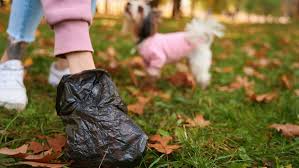
Every heavy rainstorm forcefully washes these highly toxic biological contaminants directly into the local groundwater, severely poisoning neighborhood retention ponds and highly sensitive aquatic ecosystems. The definitive solution requires completely abandoning the highly dangerous myth that carnivorous canine waste acts as a natural lawn fertilizer. Understanding the severe zoonotic health risks of un-scooped feces forcefully demands a necessary shift toward strict, daily mechanical waste removal to successfully secure the property.
Backyard Biohazard: Overview Mind Map
- Zoonotic Transfer: Microscopic pathogens easily crossing the biological species barrier to severely infect human family members.
- Parasitic Persistence: Lethal hookworm and roundworm eggs surviving completely dormant in ordinary topsoil for several years.
- Fomite Tracking: Invisible bacterial residue easily hitching a ride on the deep treads of favorite running shoes directly into the living room.
- Nutrient Pollution: Excess raw phosphorus heavily bleeding into local storm drains, actively causing toxic blue-green algae blooms.
Advanced Insight 1: The Zoonotic Threat and Soil Persistence
Generic pet blogs constantly warn about the distinct smell of dog feces, completely failing to address the severe, microscopic biological warfare happening in the grass. Canine waste is heavily loaded with zoonotic diseases, meaning these highly aggressive pathogens effortlessly cross the biological species barrier. Dangerous bacterial strains like Salmonella, E. coli, and Campylobacter heavily thrive in degrading backyard piles, waiting patiently for a brand-new biological host.
When young children play heavily in a contaminated yard, they easily transfer these highly dangerous bacteria directly from the grass to their hands. The threat rapidly multiplies when considering highly resilient internal parasites like canine roundworms and hookworms. An actively infected dog sheds absolute millions of microscopic eggs directly into the environment through a single bowel movement.
These incredibly durable parasitic eggs absolutely do not die off when the physical waste finally washes away or dries completely out in the summer sun. The eggs bury themselves directly into the topsoil, effortlessly surviving extreme winter blizzards and heavy summer heat waves for several consecutive years. Any subsequent human or canine contact with this heavily contaminated dirt practically guarantees a massive, highly expensive parasitic infection.
🚨 Vet Fact: A single gram of canine feces contains approximately twenty-three million active fecal coliform bacteria. When left completely unmanaged on the lawn, heavy spring rainstorms forcefully wash this massive bacterial load directly into local storm drains, severely contaminating community waterways.
The Reality of Shelter Outbreaks
Take the highly challenging reality of a bustling animal rescue facility operated by a dedicated director named Wenny. The shelter initially utilized a massive, shared outdoor grass play yard for multiple rescued strays, but exhausted staff occasionally missed heavily camouflaged waste hidden in the deep corners. Within a single month, a massive, incredibly stubborn hookworm outbreak aggressively swept through the entire kennel population.
The veterinary team quickly realized the heavily contaminated topsoil was actively re-infecting the highly vulnerable dogs every single time they stepped outside for exercise. The shelter was forcefully required to completely excavate and permanently replace the top six inches of the entire grass yard to successfully break the severe parasitic cycle. This incredibly expensive, highly exhausting ordeal perfectly highlights exactly why immediate, zero-tolerance scooping is an absolute biological necessity.
Advanced Insight 2: The Fomite Tracking Phenomenon
Removing the physical, highly visible waste from the yard is only the absolute first step in complete biological sanitation. When a dog defecates on the lawn, they leave behind an entirely invisible, highly concentrated ring of bacterial residue directly on the grass blades. This specific residue acts as a heavily loaded fomite, actively waiting to transfer its highly dangerous payload onto the next passing object.
Standard outdoor footwear brilliantly traps this microscopic fecal dust deeply within heavy rubber treads. Walking directly from an un-scooped yard onto an expensive living room rug instantly weaponizes the entire house. It heavily compromises indoor air quality and actively introduces aggressive outdoor pathogens directly into the primary human living space.
To completely prevent this massive indoor contamination, elite handlers actively establish designated potty zones heavily covered in easily replaceable pea gravel. Confining the biological hazard to a strictly controlled, ten-foot perimeter drastically shrinks the active danger zone and flawlessly protects the heavy-traffic grass areas. This brilliant spatial management strategy makes the required daily cleanup incredibly fast and highly efficient.
🐾 Snoutbit Pro-Tip: Never utilize standard garden trowels or heavily rusted metal rakes to safely handle canine waste in the backyard. Invest strictly in a heavy-duty, powder-coated aluminum bin-and-rake system designed exclusively for pet waste, securely keeping this highly contaminated tool entirely separated from standard household vegetable gardening equipment.
Advanced Insight 3: Phosphorus Runoff and Toxic Algae
A massive, highly destructive gardening myth heavily implies that dog waste acts exactly like cow manure, naturally boosting soil health. Domestic dogs consume highly processed, incredibly protein-heavy daily diets packed with massive amounts of dense animal meat. This incredibly dense, carnivorous dietary profile forcefully alters the canine digestive tract, producing waste heavily saturated with extreme levels of nitrogen and phosphorus.
Leaving dog waste to naturally decompose creates an entirely invisible, highly dangerous ecological ripple effect extending far beyond the wooden backyard fence line. The incredibly dense concentration of raw phosphorus aggressively bleeds directly into the local water table during heavy rain. This highly toxic chemical runoff eventually pools heavily in nearby community lakes and neighborhood retention ponds.
Once the massive phosphorus load successfully hits stagnant water, it sparks massive, highly toxic cyanobacteria algae blooms. These aggressive blue-green algae blooms severely deplete aquatic oxygen levels, causing massive fish die-offs and rendering the local water entirely lethal to thirsty wildlife. If a dog actively swims in a pond experiencing a toxic algae bloom, it frequently causes catastrophic, highly fatal liver failure within hours.
The Suburban Texas Contamination
Consider the incredibly harsh reality of a massive suburban homeowner’s association in Texas that historically ignored residents failing to scoop waste along the heavily walked community trails. During a highly intense summer heatwave, the massive community retention pond suddenly turned a blinding, highly toxic shade of neon green. Local environmental scientists tested the water and explicitly traced the massive bacterial bloom directly back to the massive accumulation of un-scooped canine feces.
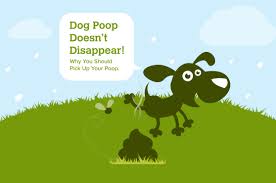
The HOA was forced to spend tens of thousands of dollars on highly aggressive chemical water treatments to successfully restore the fragile ecosystem. They subsequently instituted heavy financial fines for un-scooped waste, forcefully shifting the community perspective from lazy lawn maintenance to highly critical environmental defense. Properly disposing of dog waste completely prevents this devastating, neighborhood-wide environmental contamination.
🚨 Vet Fact: Canine parvovirus is a highly contagious, incredibly lethal gastrointestinal virus that actively sheds by the absolute millions in the raw feces of an infected dog. This incredibly resilient virus effortlessly survives in completely unprotected topsoil for over a full year, surviving both extreme summer heat waves and brutal winter blizzards entirely without degrading.
The EPA Pollutant Classification
Many pet owners are entirely shocked to discover that the Environmental Protection Agency explicitly classifies canine waste in the exact same toxic category as chemical oil spills and raw sewage. This massive federal classification highlights the severe, highly documented danger of non-point source pollution. When millions of dogs deposit waste across urban environments, the cumulative biological load is absolutely staggering.
This massive volume of raw sewage heavily overwhelms local municipal water filtration plants, specifically during heavy, flooding rain events. The highly concentrated bacterial load heavily compromises drinking water safety, frequently triggering localized “boil water” advisories. Taking exactly thirty seconds to properly bag and completely seal the daily waste is a highly critical civic duty that permanently protects the broader human community.
The Freeze-Thaw Deception
A massive, highly dangerous neighborhood myth exists claiming that sub-zero winter temperatures successfully kill off backyard pathogens and resting parasites. Freezing temperatures actually act as a highly efficient biological preservative, perfectly protecting microscopic eggs hiding deep inside frozen yard waste. When the warm spring thaw eventually arrives, it forcefully unleashes a massive, highly aggressive parasite explosion directly into the thawing mud.
When a dog happily walks through this heavily contaminated mud and casually licks their dirty paws, they instantly re-infect themselves with heavy, highly dangerous parasitic loads. This creates a relentless, incredibly expensive cycle of stressful veterinary visits and continuous, heavy-duty deworming medications. Completely removing the physical waste entirely before it physically freezes in the harsh winter is the absolute only way to guarantee a safe, perfectly parasite-free yard come spring.
This specific freeze-thaw dynamic perfectly explains exactly why veterinary clinics see a massive spike in gastrointestinal illnesses during the early weeks of April. Owners frequently stop scooping when heavy snow falls, completely assuming the massive snowfall acts as a safe, natural disposal system. The melting snow simply acts as a highly effective, deeply contaminated biological delivery system.
🐾 Snoutbit Pro-Tip: Plant-based bioplastics naturally possess a significantly shorter shelf life than standard, heavy-duty petroleum products. Never buy genuine compostable waste bags in massive, year-long bulk supplies, and always store the rolls strictly in a cool, incredibly dark hallway closet to prevent ambient heat from rapidly degrading the fragile material.
What To Do Next
- Execute a Full Grid Search: Step outside today and systematically walk the entire backyard in incredibly tight, heavily overlapping geometric lines to completely remove all hidden waste. Recovering absolutely every single forgotten pile immediately halts the heavy nitrogen burn and safely prevents massive bacterial loads from deeply penetrating the fragile spring topsoil.
- Audit the Disposal Arsenal: Throw away any cheap, incredibly thin plastic grocery bags currently utilized for daily waste management. Instantly upgrade to highly certified ASTM D6400 compostable bags, or aggressively research an in-ground canine waste digester to guarantee the daily biological hazard is handled safely, legally, and entirely sustainably.
Disclaimer: The content on Snoutbit.com is for informational and educational purposes only and is not intended to replace professional veterinary advice, diagnosis, or treatment. Always consult with your veterinarian before making significant changes to your dog’s diet, exercise routine, or health regimen.