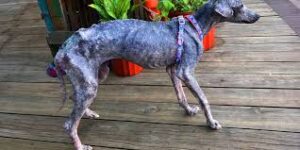
Finding an empty backyard and a freshly dug hole under the wooden fence induces pure, unadulterated panic. Physical fences provide a false sense of security, easily defeated by persistent digging or athletic jumping, leaving beloved dogs exposed to speeding cars and predators. The absolute safest way to secure a chronic escape artist is upgrading to a GPS dog fence with satellite and geofencing technology. This advanced system connects directly to global positioning satellites to create a totally customizable, invisible boundary completely independent of buried wires or physical wood. If the dog breaches the digital perimeter, the collar instantly delivers an audible warning followed by a safe static correction, stopping dangerous escapes immediately.
Why Do Physical Fences Fail High-Energy Breeds?
Standard physical barriers are simply no match for the deep biological drives of working and sporting breeds. When an Australian Kelpie or a Blue Heeler spots a rabbit, their intense herding instinct overrides their respect for a flimsy chain-link perimeter. They will dig trenches, chew through wooden slats, or effortlessly scale six-foot panels just to chase that moving target.
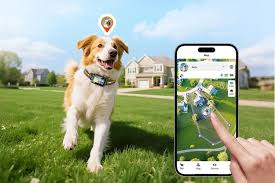
A GPS dog fence with satellite and geofencing technology completely eliminates the physical objects dogs use as jumping leverage. There is nothing to climb, nothing to dig under, and nothing to physically destroy. It removes the mechanical weak points of a yard, forcing the dog to respect an invisible boundary line rather than a physical hurdle.
🚨 Vet Fact: Dogs that escape physical yards frequently suffer from devastating vehicular trauma or severe lacerations from jumping over rusted fencing. Utilizing a digital satellite boundary drastically reduces these emergency room visits by preventing the initial physical breach from ever occurring.
How Does A GPS Dog Fence With Satellite And Geofencing Technology Work?
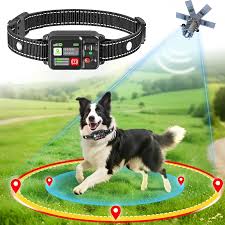
Unlike outdated wire systems that require destroying the lawn, these highly advanced collars act as independent, wearable computers. The collar communicates directly with multiple global positioning satellites, actively updating the dog’s precise location every few seconds. Owners use a smartphone application to drop digital pins across a map, drawing a customized, invisible perimeter entirely around the property.
When the dog approaches this digital boundary, the collar emits a sequence of warning tones and vibrations. If the dog ignores the warning and crosses the line, a harmless but surprising static correction redirects their attention back to the safety of the yard.
Can Geofencing Fix A Chronic Escape Artist?
Consider the highly realistic case of a rescued Staffy that escaped a secure suburban yard three times in one week by relentlessly digging under the gate. The family was facing heavy municipal fines and constant terror until they implemented a GPS dog fence with satellite and geofencing technology. By setting the digital perimeter exactly ten feet inside the physical fence line, the dog received an audible warning long before they could ever reach the dirt.
This strategic digital buffer zone completely extinguished the digging behavior within four days. The Staffy learned that approaching the fence line resulted in an annoying beep, effectively breaking the obsessive behavioral fixation on the wooden gate.
What Is GPS Cellular Drift?
Many generic tech reviews completely gloss over a massive technological reality known as “cellular drift.” Because global positioning satellites are orbiting miles above the earth, minor atmospheric changes can cause the digital boundary to shift slightly by a few feet. A poorly drawn geofence set entirely too close to a busy sidewalk might accidentally correct a dog who is safely resting on the front porch.
To safely combat cellular drift, the digital boundary must always be drawn a minimum of fifteen feet away from any hazardous roads or public sidewalks.
🐾 Snoutbit Pro-Tip: Never rely solely on satellite fencing if a property is heavily covered by dense, towering trees or large metal outbuildings. Heavy canopy cover actively blocks the required satellite signals, creating dangerous dead zones where the collar completely fails to correct an escaping dog.
How Does Extreme Climate Impact GPS Dog Collars?
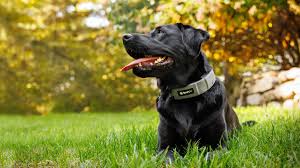
Local environmental extremes act as massive, hidden multipliers for technological failure and canine physical distress. During the brutal, sweltering heat of an Australian outback summer or a highly humid US August, black plastic GPS collars absorb massive amounts of solar radiation. This extreme heat can drastically drain the lithium-ion batteries, causing the entire geofencing system to fail without giving the owner any warning.
Owners must meticulously monitor the battery life on the smartphone application during intense, prolonged heatwaves. Furthermore, robust working dogs like Kelpies actively seek out deep water or muddy creeks to cool down their core temperatures during the summer months. Ensuring the selected GPS collar is completely waterproof, not just water-resistant, is a non-negotiable requirement for active, outdoor-driven breeds.
Does Tick Season Alter Geofencing Strategies?
Heavy coastal tick seasons frequently force owners to limit their dog’s access to uncleared brush and tall, native grasses. The beauty of a GPS dog fence with satellite and geofencing technology is the absolute ability to instantly redraw the boundary on a smartphone. When paralysis ticks are peaking in the back woods, simply move the digital perimeter inward to restrict the dog entirely to the short, manicured lawn.
Will An Invisible Boundary Cause Reactivity?
A massive, hidden danger of invisible boundaries is the potential development of severe barrier frustration and leash reactivity. When a friendly Golden Retriever constantly sees people walking past the yard but gets corrected every time they try to greet them, extreme frustration builds rapidly. Over time, the canine brain associates the pain of the correction with the sight of the approaching stranger, turning a friendly dog into a highly aggressive, lunging liability.
Preventing this psychological fallout requires installing a physical visual barrier, like a privacy hedge, alongside the digital geofence. If the dog cannot physically see the triggering stimulus walking past the property, the risk of developing explosive barrier reactivity drops significantly.
🚨 Vet Fact: Static corrections from electronic collars can significantly raise a dog’s baseline cortisol levels if utilized without proper, positive-reinforcement training. Never simply strap a GPS collar onto a dog and walk away; the dog must be actively taught how to escape the beep by turning around.
How Do You Train A Dog For A Satellite Boundary?
Strapping a vibrating collar onto a terrified Frenchie without explaining the rules is highly unethical and completely ruins the dog’s confidence. The canine brain must be meticulously conditioned to understand that the warning beep means “turn around and walk toward the house.” This requires setting up physical white training flags across the yard to provide a clear, visual marker of where the invisible boundary actually exists.
An effective training scenario requires absolute patience and highly structured repetitions:
- Walk the dog toward the visual flags on a long, sturdy physical leash.
- The exact millisecond the collar beeps, enthusiastically call the dog back to the center of the yard.
- Instantly deliver a high-value treat, like freeze-dried liver, the second they step away from the boundary line.
This advanced protocol teaches the dog that the beep is not a terrifying punishment, but rather a highly profitable cue to return to safety.
What Are The Battery Limitations Of Active Tracking?
Most manufacturers heavily advertise weeks of battery life, but they intentionally bury the details regarding live-tracking modes. When a dog actually escapes and the owner activates the “Live Tracking” feature to find them, the collar connects to cellular towers to update the GPS location every three seconds. This intense data transmission aggressively drains the battery, often killing the device entirely within just a few short hours.
If a dog breaches the perimeter, owners have a terrifyingly narrow window to track the signal before the collar goes completely dead. Charging the device every single night, exactly like a smartphone, is the absolute only way to ensure the battery survives a worst-case escape scenario.
🐾 Snoutbit Pro-Tip: Establish a strict daily routine where the GPS collar is removed and plugged into the charger the exact moment the dog comes inside for dinner. This guarantees a fully charged battery for the next morning’s yard patrol and actively prevents dangerous friction sores from developing on the dog’s neck.
What To Do Next
Securing a beloved canine companion does not require pouring thousands of dollars into concrete footings or destroying the landscape with buried wires. By leveraging advanced satellite technology, households can create flawless, highly adaptable perimeters that keep determined escape artists safely contained at home.
Here are two simple, immediate steps to take today to upgrade yard security:
- Assess The Canopy: Walk the exact perimeter of the property today and look straight up at the sky. If heavy, dense tree branches block the sun, a GPS system may struggle to connect; consider trimming the canopy heavily before investing in satellite gear.
- Audit The Escape Route: Identify exactly where the dog is currently breaching the physical yard, whether it is a broken gate or a low fence panel. When drawing the new digital boundary on the smartphone app, ensure that specific weak point is completely blocked off by a generous fifteen-foot digital buffer zone.
Disclaimer: The content on Snoutbit.com is for informational and educational purposes only and is not intended to replace professional veterinary advice, diagnosis, or treatment. Always consult with your veterinarian before making significant changes to your dog’s diet, exercise routine, or health regimen.