Most dog owners would rather bathe an angry cat than attempt to brush their dog’s teeth. The thrashing, the clamped jaws, and the sheer panic make it feel entirely impossible.
Are you looking for the exact secret to fixing this nightly battle? To successfully learn how to brush a dog’s teeth that hates it, you must stop using a hard bristled brush, switch to a soft finger glove, apply a high-value enzymatic dog toothpaste, and slowly desensitize their mouth over a two-week period.
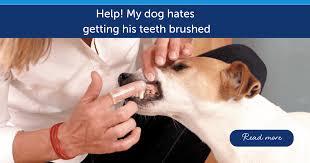
You know the frustrating drill all too well. You pull out the toothbrush, and your dog instantly vanishes under the nearest bed. When you finally catch them, it turns into a physical wrestling match that damages your bond and yields zero cleaning results.
Ignoring their dental health, however, is not an option. Over 80% of dogs suffer from active periodontal disease by age three. Those rotting teeth dump dangerous bacteria directly into their bloodstream, destroying their kidneys, liver, and heart over time.
Why Your Dog Fights the Toothbrush
Dogs do not inherently hate having clean teeth. They hate the terrifying sensation of a rigid foreign object being forcefully shoved into their sensitive mouths.
If you approach dental care like a chore you just need to get through quickly, your dog will feed off that anxious energy. They view the toothbrush as a punishment, not a health routine.
You must completely reframe how you view canine dental care. This is a behavioral training exercise first, and a hygiene routine second.
The Hidden Pain Factor
Before you force another brushing session, you must consider physical pain. If your dog has a mouthful of heavy tartar and inflamed, bleeding gums, brushing actively hurts them.
Touching a hard plastic bristle to an exposed tooth root sends a massive shock of pain through their jaw. If your dog suddenly starts reacting violently to brushing, they need a veterinarian, not a new training technique.
Always schedule a professional veterinary dental exam to clear underlying infections before attempting to brush a highly resistant dog.
[Image: A veterinarian gently lifting the lip of an anxious dog to examine its gums, demonstrating a calm, professional approach to oral care.]
The Preparation: Tools You Actually Need
Human dental tools are the absolute worst thing you can use on a canine companion. You must build a dog-specific dental kit designed entirely around comfort and positive reinforcement.
Setting up the right environment and utilizing the correct tools solves half the battle before you even touch their mouth.
Here is exactly what you need to succeed.
Ditch the Hard Plastic Bristles
Standard long-handled dog toothbrushes are clumsy, intimidating, and easily poke the back of your dog’s throat. Throw them away immediately.
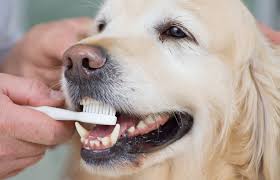
Instead, purchase a silicone finger brush or a simple piece of sterile medical gauze. Wrapping gauze around your index finger gives you ultimate control and allows you to feel exactly how much pressure you are applying to their gums.
Your dog already trusts your hands. Inserting a finger is vastly less terrifying than inserting a rigid plastic stick.
The Magic of Enzymatic Toothpaste
Never use human toothpaste, as fluoride and artificial sweeteners like xylitol are highly toxic to dogs. You need a canine-specific enzymatic toothpaste.
Enzymatic paste does the heavy lifting for you. The active enzymes chemically break down plaque and kill bacteria on contact, meaning you do not need to scrub aggressively.
- Pick a high-value flavor: Choose poultry, beef, or peanut butter flavors so your dog treats the paste exactly like a high-value training reward.
- Let the paste work: Because it is enzymatic, simply swiping it onto the tooth surface is highly effective even if you cannot brush in perfect circles.
- No rinsing required: Canine toothpaste is designed to be safely swallowed, making the process infinitely easier.
The 5-Step Canine Desensitization Protocol
You cannot rush this process. If your dog hates having their teeth brushed, you must wipe the slate clean and start from day one.
Spend exactly three days on each of the following steps. If your dog panics or pulls away, drop back to the previous step immediately.
Do not move forward until your dog is completely relaxed.
Step 1: The “Lip Lift” Game
Start when your dog is already calm and relaxed, preferably after a long walk. Sit beside them, not looming directly over them, to reduce physical intimidation.
Gently lift their upper lip to expose their teeth, hold it for exactly two seconds, and immediately reward them with a high-value treat. Do not touch their teeth yet.
Repeat this simple lip-lifting game five times a day until they associate you touching their muzzle with a delicious reward.
Step 2: The Toothpaste Taste Test
Now, introduce the enzymatic toothpaste entirely as a treat. Squeeze a pea-sized amount onto your bare finger and offer it to your dog.
Let them lick it completely off your finger. Praise them heavily and act like they just performed an amazing trick.
You want them drooling and actively begging for the toothpaste before you ever attempt to put it near their actual gum line.
[Image: A happy Golden Retriever eagerly licking poultry-flavored dog toothpaste directly off their owner’s finger.]
Step 3: The Bare Finger Sweep
Once they love the toothpaste, apply it to your bare index finger. Gently lift their lip and do one quick, smooth swipe across their top canine tooth.
Do not try to clean the whole mouth. Swipe one tooth, let them lick the rest of the paste, and end the session on a massive positive note.
Your goal is to show them that having a finger rub their teeth is quick, painless, and highly rewarding.
Step 4: Upgrading to the Tool
When your dog happily accepts your bare finger, introduce the silicone finger brush or the wrapped gauze. Apply the enzymatic paste to the new tool.
Lift the lip and gently wipe the outside surfaces of the upper teeth. Move in slow, small circles along the gum line where plaque naturally accumulates.
Limit this session to exactly fifteen seconds per side. Stop while they are still calm, rather than waiting for them to get frustrated and squirm away.
Step 5: The Two-Minute Routine
You are now ready to perform a full dental cleaning. Work systematically from the front canines to the heavy back molars.
Keep your sessions under two minutes total. Reapply toothpaste as needed to keep the dog engaged and eagerly anticipating the flavor.
Never try to force their jaws open to brush the inside of their teeth. A dog’s rough tongue naturally sweeps the inside surfaces clean; you only need to focus on the cheek-facing sides of the teeth.
Expert Tips to Maximize Success
Even with the best desensitization protocol, some dogs remain incredibly stubborn. You must outsmart them using behavioral psychology.
Timing and positioning are your biggest assets when dealing with a difficult pet.
Here are the expert secrets to locking in your new dental routine.
Timing is Everything
Do not try to brush a hyperactive dog’s teeth right before their morning walk. Their adrenaline is pumping, and their focus is entirely on the front door.
The best time to brush a dog’s teeth is late at night when they are physically exhausted and half-asleep on the couch.
A tired dog puts up significantly less resistance and is far more willing to tolerate a quick mouth massage.
Focus on the Problem Zones
If you only have ten seconds of cooperation, do not waste it on the tiny front incisors.
Plaque and tartar aggressively target the heavy back upper premolars and molars. This is where the salivary glands sit and where periodontal disease almost always begins.
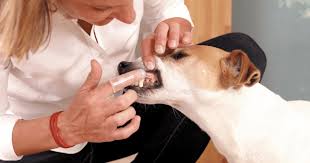
Swipe your finger brush straight to the back of the mouth first to ensure the highest-risk teeth get the enzymatic paste.
What to Do When Brushing Fails Completely
Some rescue dogs carry severe trauma around their head and neck, making physical brushing utterly impossible despite your best efforts.
You should never destroy your relationship with your dog over a toothbrush. If physical brushing causes them extreme panic, you must pivot to passive dental care.
There are highly effective, scientifically backed alternatives to physical brushing.
Passive Plaque Fighters
You can still protect your dog’s mouth using tools that do the work for you. Always look for the VOHC (Veterinary Oral Health Council) seal of approval on these products.
- Water Additives: These are tasteless, odorless liquids you pour into their water bowl that actively break down plaque every time they drink.
- Dental Diets: Prescription dental kibbles are engineered to physically scrape tartar off the tooth as the dog bites down.
- Enzymatic Chews: High-quality dental chews force the dog to scrape their own teeth while delivering bacteria-killing enzymes.
Disclaimer: The content on Snoutbit.com is for informational and educational purposes only and does not constitute professional veterinary medical advice. Always consult with a licensed veterinarian before altering your pet’s diet, starting a new training regimen, or addressing behavioral or health concerns.