You finally noticed the horrific “doggy breath,” but the real shock hits when the veterinary clinic hands you the surgical estimate. You are staring at a massive bill and wondering if canine dental care has suddenly become a luxury expense.
Let’s cut straight to the numbers. The average cost of dog teeth cleaning at vet 2026 ranges exactly from $500 to $1,200 for a routine, preventative procedure. However, if your dog suffers from severe periodontal disease requiring surgical tooth extractions, expect that total bill to rapidly skyrocket between $1,500 and $2,800.
You are feeling frustrated, overwhelmed, and completely terrified of putting your best friend under general anesthesia. It feels entirely unfair that a simple teeth cleaning costs more than your own car payment.
If you ignore that foul breath, anaerobic bacteria are actively destroying your dog’s jawbone right now. Let’s break down exactly what you are paying for, how to avoid scam procedures, and the smartest ways to drastically lower this unavoidable medical bill.
The 2026 Veterinary Dental Estimate Mind Map
Veterinarians do not just arbitrarily invent these massive price tags. A canine dental cleaning is a highly complex, multi-step surgical procedure known as a COHAT (Comprehensive Oral Health Assessment and Treatment).
To understand the average cost of dog teeth cleaning at vet 2026, you must understand the individual line items on your invoice. Most pet parents have absolutely no idea what actually happens once their dog walks into the surgical suite.
Here is a rapid, transparent breakdown of the modern veterinary dental estimate.
- Pre-Surgical Bloodwork: Mandatory baseline organ check to ensure the kidneys and liver can safely metabolize anesthetics.
- IV Catheter and Fluids: Maintains crucial blood pressure and provides emergency access to a vein during the entire surgery.
- General Anesthesia & Monitoring: The specific gas, intubation tubes, and the dedicated veterinary technician tracking your dog’s heart rate.
- Full-Mouth Dental Radiographs (X-Rays): High-definition imaging to reveal hidden root rot and bone loss completely invisible to the naked eye.
- Ultrasonic Scaling and Polishing: The physical removal of concrete-like tartar, followed by smoothing the enamel to prevent rapid re-accumulation.
Pre-Anesthetic Bloodwork ($100 – $250)
You should never let a veterinarian put your dog under general anesthesia without running fresh, comprehensive bloodwork first. This diagnostic panel checks the critical function of your dog’s liver and kidneys.
These exact organs are entirely responsible for filtering the anesthetic drugs out of your dog’s bloodstream after the procedure. If your dog has hidden kidney disease, administering standard anesthesia can easily trigger fatal organ failure.
Skipping this step to save $150 is playing Russian roulette with your dog’s life.
General Anesthesia and Monitoring ($150 – $400)
Your dog will not willingly open their mouth and say “ahhh” while a sharp ultrasonic scaler whines near their gums. Deep sedation and total unconsciousness are non-negotiable for a safe, thorough cleaning.
This fee covers the highly specialized induction drugs, the continuous flow of Isoflurane or Sevoflurane gas, and the placement of an endotracheal tube. That tube completely protects your dog’s airway from inhaling dangerous bacteria and water during the cleaning.
It also pays for the highly trained veterinary nurse who continuously monitors your dog’s blood pressure, oxygen levels, and core temperature.
[Image: A dedicated veterinary technician carefully monitoring a dog’s vital signs on a digital surgical screen while the dog is under safe, controlled general anesthesia.]
Why “Anesthesia-Free” Dental Cleanings Are a Dangerous Scam
You have likely seen groomers or boutique pet stores advertising cheap, anesthesia-free dental scaling for just $150. It sounds like the perfect, stress-free miracle solution to bypass massive veterinary bills.
Elite veterinary behaviorists and board-certified dentists strongly condemn this practice. Anesthesia-free cleanings are purely cosmetic, highly stressful, and incredibly dangerous for your dog.
Holding a terrified, wide-awake dog down while scraping their teeth with sharp metal instruments borders on animal cruelty.
The Hidden Damage Below the Gum Line
Over 60% of a dog’s tooth structure sits completely hidden below the visible gum line. This exact subgingival area is where aggressive periodontal disease actually lives and destroys the jawbone.
Anesthesia-free practitioners only scrape the visible white crown of the tooth to make it look superficially clean to the owner. They cannot legally or physically clean inside the deep, painful pockets under the gums where the real infection thrives.
You are paying for a completely false sense of security while your dog’s teeth continue to rot from the inside out.
The Risk of Aspiration and Trauma
When a dog is awake, they will inevitably panic, jerk their head, or thrash during the scraping process. A single sudden movement can cause the sharp metal scaler to slice heavily into their delicate gums or tongue.
Worse, without an endotracheal tube protecting their airway, the dog can easily inhale chunks of infected tartar directly into their lungs. This frequently leads to severe, life-threatening aspiration pneumonia within days of the “cheap” procedure.
Never compromise your dog’s safety to save money on proper surgical protocols.
How Extractions Destroy Your Budget
The biggest variable in the average cost of dog teeth cleaning at vet 2026 is the surgical extraction of dead or dying teeth. If your vet calls you during the procedure asking for permission to pull teeth, your bill is about to spike.
Dogs are master communicators, but they will violently hide oral pain to continue eating. By the time you notice a loose tooth, the supporting bone has already entirely disintegrated.
Here is exactly why pulling a canine tooth is so insanely expensive.
The Price of a Dead Tooth ($50 – $300 per tooth)
Pulling a dog’s tooth is not like wiggling out a loose human baby tooth. Canine teeth, especially the massive carnassial molars, have deep, multi-pronged roots anchored directly into the jawbone.
Removing a large molar is a complex oral surgery that requires sectioning the tooth with a high-speed drill and meticulously suturing the gums closed.
A simple, single-rooted incisor might cost $50 to extract, but a complex, three-rooted molar can easily cost over $300 in surgical time alone.
Pain Management and Antibiotics ($50 – $150)
If your dog undergoes surgical extractions, they cannot go home empty-handed. Your veterinarian will send you home with a strict regimen of advanced pain medication and anti-inflammatory drugs.
Because periodontal disease is fundamentally a massive bacterial infection, they will also likely prescribe a powerful broad-spectrum antibiotic.
Do not ever decline these post-operative medications. Your dog just had bone surgically altered in their mouth, and they absolutely require pharmacological relief.
[Image: An easy-to-read, itemized veterinary invoice displaying the clear breakdown of costs for bloodwork, anesthesia, scaling, dental X-rays, and extractions.]
4 Actionable Ways to Lower Your Canine Dental Bill
You cannot avoid the dentist forever, but you can absolutely manipulate how often your dog needs to go. Proactive home care completely prevents the need for expensive surgical extractions.
If you are tired of dropping $1,200 at the vet every single year, you must take immediate control of your dog’s oral hygiene.
Implement these exact strategies today to drastically reduce your future veterinary estimates.
1. Master Daily Preventative Maintenance
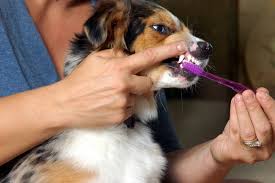
You must start brushing your dog’s teeth every single night. Use a silicone finger brush and a VOHC-approved (Veterinary Oral Health Council) enzymatic canine toothpaste.
The active enzymes chemically break down sticky plaque before it ever has a chance to harden into concrete-like tartar.
If your dog fights the brush, pivot immediately to heavily textured dental chews or tasteless water additives that passively fight bacteria.
2. Time Your Pet Insurance Perfectly
If you adopt a new puppy, buy a comprehensive pet insurance policy before they lose their baby teeth. Most elite policies cover advanced dental illnesses, but only if there are absolutely no pre-existing conditions noted in the dog’s chart.
If your vet writes “mild tartar” in your dog’s medical file today, the insurance company will permanently deny all future dental claims.
3. Seek Out “Dental Month” Discounts
February is historically National Pet Dental Health Month. To encourage proactive care, thousands of veterinary clinics across the US offer massive 10% to 20% discounts on dental cleanings during this exact window.
Call your local clinic in December to reserve a surgical spot for February. These highly coveted, discounted appointment slots fill up incredibly fast.
4. Feed a Prescription Dental Diet
If your dog produces heavy tartar genetically, switch their daily food to a specialized veterinary dental diet like Hill’s t/d or Purina Pro Plan Dental Health.
These massive, heavily structured kibbles do not shatter when bitten. Instead, they physically envelop the tooth, acting like a squeegee to scrape away plaque with every single bite.
What to Do Next
Ready to protect your dog’s heart, liver, and jawbone from silent bacterial infections? Take these two simple, immediate steps today:
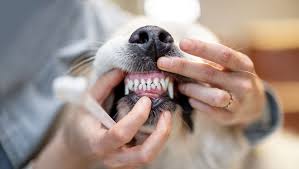
- Perform the “Flip the Lip” Test: Sit with your dog in a well-lit room and gently lift their upper back lip. If you see thick yellow cement near the gum line or bright red, bleeding tissue, it is time to call the clinic.
- Request a Baseline Estimate: Call three highly rated veterinary hospitals in your immediate area and ask for their base COHAT estimate. This allows you to aggressively budget for the procedure before the pain becomes an emergency.
Disclaimer: The content on Snoutbit.com is for informational and educational purposes only and does not constitute professional veterinary medical advice. Always consult with a licensed veterinarian before altering your pet’s diet, starting a new training regimen, or addressing behavioral or health concerns.