Bringing a new puppy home instantly introduces a terrifying wave of razor-sharp teeth, ruined baseboards, and relentless potty accidents. Desperate owners frequently rush these fragile animals into crowded local pet store groups, accidentally exposing them to massive behavioral trauma and highly contagious diseases. The definitive solution requires entirely reframing early education by finding elite puppy preschool classes that operate strictly as hyper-sanitized, heavily controlled confidence-building environments.

The absolute most important takeaway is that successful early socialization requires carefully teaching a puppy to completely ignore intense environmental distractions. True canine education heavily rejects the outdated concept of chaotic, free-for-all wrestling sessions that frequently bully shy dogs. Building a flawlessly behaved adult dog requires aggressive environmental desensitization entirely managed by a certified professional behaviorist right from the start.
The Puppy Development Window: Overview Mind Map
- Core Objective: Building massive environmental confidence and complete handler focus before sixteen weeks of age.
- Ideal Curriculum: Novel surface exposure, acoustic desensitization, bite inhibition protocols, and polite leash greetings.
- Massive Red Flags: Unchecked bullying during group play, dirty training floors, and trainers utilizing squirt bottles or loud shaker cans.
- Critical Timing: The primary neurological socialization window slams firmly shut between fourteen and sixteen weeks of age, making early enrollment absolutely mandatory.
The Fleeting Neurological Window
A puppy’s brain acts exactly like a highly absorbent sponge strictly during their first four months of life. This microscopic window of biological time dictates exactly how the adult dog will ultimately view the chaotic human world. Missing this vital period almost guarantees the development of a deeply fearful, highly reactive canine companion that naturally views every single stranger as a mortal threat.
Enrolling in premium puppy preschool classes explicitly maximizes this fleeting biological opportunity to hardwire supreme confidence. Once the window permanently closes around sixteen weeks, entirely new objects and sounds are biologically processed with extreme caution and suspicion. Handlers simply must introduce the puppy to hundreds of strange sights and safe sounds during this massive developmental peak.
🐾 Snoutbit Pro-Tip: Never carry a puppy into a training facility wearing a standard flat neck collar. Always utilize a properly fitted, escape-proof Y-front harness to entirely protect their fragile, developing trachea from severe, permanent damage during sudden lunges or highly excited pulling.
Advanced Insight 1: The Free-Play Fallacy
Generic advice constantly pushes overwhelmed owners to let puppies “work it out themselves” during massive group play sessions. This is a catastrophic behavioral mistake that frequently creates highly reactive, terrified adult dogs. When a shy, timid puppy is relentlessly pinned to the floor by an overly confident bully, the shy puppy rapidly learns that strange dogs are intensely terrifying.
Elite puppy preschool classes heavily restrict actual physical play to strictly managed, highly vetted pairs matched perfectly by size and temperament. The absolute primary goal of the class is teaching the puppy to exist in the exact same room as other dogs while remaining entirely focused on the human handler. A dog that learns to completely ignore other bouncy canines at twelve weeks old is a dog that will flawlessly execute loose-leash walks later in life.
Consider a highly sensitive rescue Whippet in Chicago that completely froze in terror during its first neighborhood walk. The owners enrolled the puppy in a highly structured preschool that completely banned open-floor wrestling to protect fragile students. By slowly rewarding the Whippet simply for looking at a bouncy Labrador from twenty feet away, the puppy rapidly built massive confidence, completely overcoming the initial biological panic.
The Parvovirus Paradox
Pet parents are constantly paralyzed by the terrifying threat of the highly lethal canine parvovirus found on community sidewalks. Many traditional veterinarians advise keeping puppies completely quarantined indoors until their final round of booster shots at sixteen weeks. However, veterinary behaviorists fiercely argue that the risk of behavioral euthanasia stemming from zero early socialization is actually a far greater statistical threat.

The leading cause of death for dogs under three years old in the United States is entirely behavioral, strictly stemming from severe fear aggression that could have been entirely prevented. Handlers must strike a delicate balance by strictly avoiding dirty public dog parks while safely attending highly sterilized indoor training academies.
🚨 Vet Fact: The American Veterinary Society of Animal Behavior (AVSAB) explicitly states that puppies should physically begin socialization classes as early as seven to eight weeks of age. The facility simply must require a minimum of one set of vaccines and actively utilize heavy hospital-grade disinfectants on all floor surfaces before any puppy enters the building.
Advanced Insight 2: Mastering The Consent Test
Proper puppy play constantly ebbs and flows, frequently mimicking aggressive fighting to the untrained, anxious human eye. Professional trainers strictly utilize a highly advanced metric known as the “Consent Test” to guarantee play remains entirely mutual, balanced, and physically safe. If one puppy seems overwhelmed or trapped entirely in a tight corner, the trainer will gently restrain the more aggressive, bouncy puppy.
Once the confident puppy is momentarily held back, the trainer carefully watches the shy puppy’s immediate physical reaction. If the shy puppy happily bounces right back over to initiate more wrestling, enthusiastic consent is explicitly granted, and the play safely resumes. If the shy puppy completely shakes off the stress and actively hides behind the owner’s legs, the play session is immediately and permanently terminated.
Advanced Insight 3: Acoustic and Surface Desensitization
True canine early education completely ignores teaching a rigid “sit” or “stay” during the crucial first few weeks of preschool. A brilliant class focuses almost entirely on environmental desensitization, heavily exposing the fragile puppy to strange, terrifying human objects. Puppies are gently encouraged to walk across highly unstable wobble boards, slippery plastic tarps, and loud metal grates while happily eating premium meat paste.
Take the reality of an energetic German Shepherd puppy in Austin slated for highly intensive search-and-rescue training later in life. The specialized puppy preschool heavily utilized acoustic masking, gently playing the sounds of violent thunderstorms, loud fireworks, and crying babies through a hidden Bluetooth speaker. Pairing these highly terrifying urban sounds with massive food rewards permanently hardwired the puppy’s brain to view chaotic noise as a reliable predictor of excellent paychecks.
This specific surface and acoustic exposure physically thickens the neural pathways inside the young dog’s brain. It practically guarantees the adult dog will never suffer from severe noise phobias or completely panic when forced to walk across a strange, reflective tile floor.
🐾 Snoutbit Pro-Tip: Heavily audit a facility’s strict cleaning protocols before handing over a credit card for class enrollment. An elite puppy academy requires all human owners to entirely bleach their shoe soles in a specialized sanitizing footbath prior to ever stepping onto the training mats.
Evaluating The Instructor’s True Credentials
The American dog training industry severely lacks any form of federal regulation, licensing, or standardized educational oversight. Absolutely anyone can legally rent a warehouse, buy some cheap agility tunnels, and instantly declare themselves a master puppy behaviorist. Highly responsible owners must aggressively demand verified, peer-reviewed credentials before allowing anyone to handle their deeply vulnerable, highly impressionable puppy.
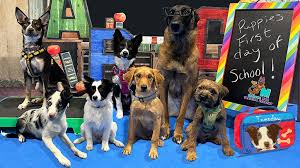
Strictly look for lead instructors actively holding a CPDT-KA or KPA-CTP certification to absolutely guarantee strict adherence to modern behavioral science. Elite instructors completely ban the use of painful prong collars, loud shaker cans, or harsh physical leash pops during these foundational developmental weeks. Utilizing punitive physical force on a twelve-week-old puppy completely shatters their fragile trust and rapidly creates a highly defensive, heavily reactive biting adult dog.
A brilliant puppy instructor possesses deep, endless patience for both the hyperactive animal and the completely exhausted human handler. They seamlessly guide overwhelmed families through the darkest trenches of puppy teething and relentless nighttime crying without ever relying on cruel intimidation tactics. This elite level of compassionate coaching ultimately sets the exact foundation required for a lifetime of unbreakable, joyful canine companionship.
What To Do Next
- Demand a Silent Audit: Call three highly rated local training facilities today and explicitly ask to silently observe a puppy class from the back of the room without bringing a dog. If the facility completely refuses this request or the room sounds like a highly chaotic, terrifying barking nightmare, immediately cross them off the list.
- Verify the Vaccination Policy: Check the chosen academy’s website right now to guarantee they strictly require written, veterinary-stamped proof of the first round of distemper and parvovirus vaccines. A facility that allows random walk-ins without strictly checking medical records actively puts the entire class at a massive, highly lethal biological risk.
Disclaimer: The content on Snoutbit.com is for informational and educational purposes only and is not intended to replace professional veterinary advice, diagnosis, or treatment. Always consult with your veterinarian before making significant changes to your dog’s diet, exercise routine, or health regimen.