The living room couch is permanently coated in a thick layer of loose fur, and the air is thick with allergy-inducing dander. Paying for professional de-shedding treatments at a local salon easily costs hundreds of dollars every single month. Meanwhile, attempting to groom a dog at home with standard brushes simply creates a massive, floating cloud of hair that immediately resettles onto the freshly cleaned floor.
The absolute biggest takeaway is that the PetSnowy Grooming Vacuum successfully eliminates indoor shedding by utilizing an ultra-low-decibel motor, preventing the acoustic trauma that typically makes dogs terrified of standard vacuums. By combining a specialized slicker brush with gentle, direct suction, the system captures loose undercoat fur the exact millisecond it leaves the dog’s body. Skip the stressful car rides to the groomer and leverage this low-noise technology to permanently clear the home of airborne dander while keeping the dog entirely calm.
To instantly visualize how this specific tool transforms the dreaded grooming routine, here is a quick overview mind map.
🧠 Overview Mind Map: The Pet Grooming Vacuum Matrix
- The Core Function: Brushes, clips, and vacuums loose fur simultaneously into a sealed, mess-free canister.
- The Behavioral Advantage: Operates well under 50 decibels, avoiding the high-frequency squeal that triggers canine panic.
- The Desensitization Protocol: Requires a strict three-day visual and auditory introduction before the brush ever touches the fur.
- The Financial Reality: Replaces the need for costly, high-stress professional de-shedding appointments.
Advanced Insight #1: Acoustic Desensitization Protocol
Generic pet reviews simply suggest turning the grooming vacuum on and immediately brushing the dog. This is a massive behavioral error that frequently leads to permanent equipment aversion. Dogs possess an incredible auditory range, hearing high-frequency motor whining entirely imperceptible to human ears.
Even with an ultra-quiet device like the PetSnowy, a dog’s brain must be systematically conditioned to view the specific machine as a source of extreme positive reinforcement. Elite behaviorists utilize a strict three-day desensitization protocol. On day one, the machine simply sits powered off in the middle of the living room, surrounded by high-value treats.
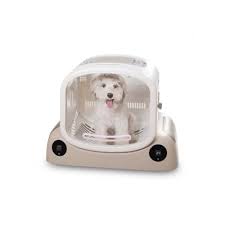
On day two, the machine is turned onto the absolute lowest setting while the dog stands completely across the room. A massive jackpot of premium treats is delivered instantly, teaching the dog that the low hum predicts incoming food. Only on day three does the actual brush attachment make physical contact with the dog’s coat.
🐾 Snoutbit Pro-Tip: Smear a heavy-duty rubber lick mat with dog-safe peanut butter and stick it directly to the wall at the dog’s eye level. This provides an intense, sustained biological pacifier that keeps the dog perfectly still and happily distracted during the entire grooming session.
The Ohio Golden Retriever Case Study
Consider a highly anxious Golden Retriever living in suburban Ohio. The dog possessed a severe, paralyzing fear of standard household vacuums, violently shaking and hiding behind the couch the exact second the closet door opened. The owners desperately needed a way to manage the dog’s heavy shedding without triggering a massive panic attack.
The behavioral intervention completely removed the visual trigger of the upright household vacuum. The owners introduced the compact PetSnowy canister, placing it behind a solid piece of furniture to baffle the motor noise even further. They spent an entire week feeding the dog their daily dinner right next to the gently humming machine.
The Golden Retriever completely stopped associating the gentle suction noise with the terrifying roar of the old floor vacuum. Within a month, the dog would voluntarily lie completely flat on the living room rug, eagerly waiting for the soothing, warm suction of the grooming brush.
Advanced Insight #2: The “Line Brushing” Technique
Most pet parents drag a slicker brush mindlessly over the very top layer of the dog’s coat, assuming the job is done. This surface-level brushing is entirely ineffective for thick, double-coated breeds like German Shepherds or Australian Shepherds. The dead, loose hair actually remains trapped tightly against the skin, rapidly forming painful, solid mats.
To truly utilize a grooming vacuum effectively, owners must master a professional salon technique known as “line brushing.” This requires using one hand to physically push the dog’s topcoat entirely out of the way, exposing a clear line of visible skin. The vacuum brush is then placed directly against this exposed skin and pulled downward.
This advanced method ensures the suction penetrates entirely through the dense undercoat, grabbing the dead hair by the root. Line brushing systematically moves up the dog’s body in horizontal rows, guaranteeing absolutely no hidden mats are left behind to fester.
🚨 Vet Fact: Severe, neglected matting acts exactly like a tight medical tourniquet, physically pulling the delicate skin away from the dog’s underlying muscle tissue. This creates massive, hidden sores and restricts vital blood flow, frequently requiring surgical intervention if left unbrushed.
Managing the Coat-Blowing Season
Twice a year, double-coated dogs experience a massive biological event known as “blowing their coat.” As the seasons change, the dog’s body rapidly sheds the entire dense layer of insulating undercoat within a matter of weeks. Attempting to manage this massive volume of hair with a standard metal comb is a losing, physically exhausting battle.
The PetSnowy system includes a specific de-shedding blade attachment designed exactly for this catastrophic event. The specialized teeth gently grab the dead undercoat without ever cutting or damaging the shiny guard hairs on top. The direct vacuum suction immediately pulls the massive clumps into the canister, preventing the hair from coating human clothing.
During a heavy coat-blowing cycle, short, daily ten-minute sessions are infinitely more effective than one exhausting, hour-long marathon. Keeping the sessions brief prevents canine frustration and ensures the vacuum canister never violently clogs.
The Seattle Husky Reality Check
A family living in a rainy Seattle neighborhood adopted a stunning Siberian Husky. When spring arrived, the Husky began blowing its winter coat, leaving a terrifying amount of dense, white fur embedded into the dark living room carpets. The owners were filling up entire garbage bags with fur daily using a manual rake.
The manual brushing process was incredibly messy, causing severe airborne allergies for the household children. They transitioned to the PetSnowy vacuum system, utilizing the specialized de-shedding tool. The mess was instantly contained within the sealed plastic canister, completely eliminating the floating dander issue.
The Husky, initially skeptical of the suction, quickly grew to love the gentle massaging action of the rounded metal teeth. The owners successfully reduced their daily cleaning time from two hours down to a highly manageable fifteen minutes.
🐾 Snoutbit Pro-Tip: Always gently run hands over the dog’s entire body before turning the vacuum on to check for hidden burrs, scabs, or sudden lumps. Catching a sensitive skin tag inside the metal teeth of a grooming vacuum causes severe pain and will instantly ruin the dog’s trust in the machine.
Advanced Insight #3: The Clipping Warning for Double Coats
Many grooming vacuum kits, including PetSnowy, come equipped with specialized electric clipper attachments that suck the hair away as it cuts. These are absolutely phenomenal for trimming the overgrown paw pads or sanitary areas of Poodles and Doodles. However, a massive warning must be issued for owners of double-coated breeds.
You must absolutely never use the clipper attachment to shave down a Golden Retriever, Husky, or German Shepherd during the summer. A double coat acts as a highly specialized thermal regulator, keeping the dog warm in the winter and actively trapping cool air against the skin during a heatwave. Shaving this coat completely destroys the dog’s biological cooling system.
Furthermore, shaving a double coat frequently results in “clipper alopecia.” The top guard hairs often refuse to grow back properly, leaving the dog with a patchy, damaged, and highly unpredictable coat texture for the rest of their life. Always stick exclusively to the de-shedding and slicker brush attachments for these specific breeds.
Eradicating the Post-Bath Mess
Standard grooming advice strictly dictates brushing a dog thoroughly before a bath. However, the true nightmare begins after the dog is fully dry, when the warm water loosens a secondary wave of dead hair. This “post-bath blowout” typically leaves the bathroom floor looking like a disaster zone.
Integrating the grooming vacuum immediately after the dog’s coat is entirely blow-dried is a game-changer. The warm, clean hair glides effortlessly through the slicker brush attachment. The vacuum effortlessly sucks away the final, stubborn pieces of loose undercoat, leaving the dog looking impeccably polished and professionally groomed.
🚨 Vet Fact: Never use a grooming vacuum on a coat that is actively soaking wet. The moisture will instantly clump the hair inside the flexible vacuum hose, severely damaging the internal motor and completely destroying the machine’s electrical components.
What To Do Next
- Perform a Coat Audit: Run a standard metal comb through the dog’s fur today, specifically checking the friction zones behind the ears, under the armpits, and along the back legs. If the comb catches on tight snags, the dog desperately requires a highly targeted line-brushing session.
- Start the Acoustic Setup: If purchasing a grooming vacuum, place the powered-off machine directly next to the dog’s food bowl tonight. Let the dog eat their entire dinner next to the silent canister to immediately begin building a massive, positive association before the motor ever turns on.
Disclaimer: The content on Snoutbit.com is for informational and educational purposes only and is not intended to replace professional veterinary advice, diagnosis, or treatment. Always consult with your veterinarian before making significant changes to your dog’s diet, exercise routine, or health regimen.