The grief of losing a dog is suffocating. Sitting in a veterinary office, crying over a beloved companion, is the absolute worst time to make complex financial and logistical decisions. The deep, agonizing fear is universal: how can a family be absolutely certain the ashes brought home belong to their specific dog?
Here is the critical takeaway: Never agree to a “segregated” or “partitioned” cremation if the goal is receiving only one specific dog’s ashes. True private cremation guarantees the dog is the sole animal in the chamber. Always ask the crematorium for their exact chain of custody protocol and demand a metal identification tracking tag to ensure total peace of mind.
To instantly clarify the highly confusing end-of-life options, here is a quick overview mind map.
🧠 Overview Mind Map: The Cremation Matrix
- Private Cremation: One dog in the chamber. 100% pure ashes returned to the family.
- Partitioned (Individual) Cremation: Multiple pets in the chamber, separated by space. High risk of ash commingling.
- Communal Cremation: Multiple pets cremated together. Ashes are scattered on sacred grounds, not returned.
- Aquamation (Water Cremation): An eco-friendly alternative using water flow and alkalinity instead of fire.
The Partitioned Nightmare Explained
The terminology used by the death care industry is highly confusing and largely unregulated. Many veterinary clinics contract out to massive, third-party facilities without explaining the subtle differences in service tiers. Understanding these definitions is the only way to prevent heartbreaking mistakes.
A massive misconception surrounds the word “individual.” Many families purchase an individual cremation, assuming their Golden Retriever is completely alone in the machine. In reality, “individual” almost always means “partitioned.”
During a partitioned service, several animals are placed in the massive cremator simultaneously. They are physically separated by mere inches or small refractory bricks. When the intense heat and forced air hit, the ashes inevitably mix together.
🚨 Vet Fact: Standard flame cremation operates at temperatures exceeding 1,500°F (815°C). The intense thermal air currents inside the chamber make it physically impossible to keep partitioned ashes 100% separate, meaning the final urn will contain trace dust from other animals.
Advanced Insight #1: The Chain of Custody Tag
Top-tier cremation facilities operate with surgical precision to guarantee identity. They utilize a fail-safe “chain of custody” tracking system exactly mirroring human funeral homes. This involves a uniquely numbered, indestructible stainless steel tag.
This specific metal tag is assigned to the dog the exact moment they leave the veterinary clinic or home. It stays with the dog’s body at all times, goes directly into the 1,500-degree fire, and survives the entire cremation process. When the ashes are finally pulverized and bagged, that same metal tag is placed directly inside the urn.
If a local facility cannot clearly explain their metal tagging protocol, walk away immediately. Reputable providers actively encourage families to ask about tracking methods to build absolute trust during a terrifyingly vulnerable time.
The Chicago Frenchie Reality Check
Consider the tragedy of a family in suburban Chicago who lost their senior French Bulldog. They blindly signed the veterinary clinic’s default paperwork for a “segregated” cremation service. Weeks later, they opened the decorative urn and found a metal surgical pin sitting among the ashes.
Their Frenchie had never undergone orthopedic surgery. The ashes belonged to a completely different dog from the partitioned chamber. The emotional devastation of this mix-up highlighted exactly why private, single-pet cremation is the only foolproof option.
🐾 Snoutbit Pro-Tip: Families have the absolute legal right to bypass the vet clinic entirely and hire an independent pet crematorium directly. Many private facilities offer personalized transportation services, picking the dog up directly from the home or clinic in a dignified, specialized vehicle.
Advanced Insight #2: Aquamation (Alkaline Hydrolysis)
Traditional flame cremation has a massive environmental footprint, releasing significant carbon emissions into the atmosphere. A revolutionary, eco-friendly alternative called aquamation is rapidly gaining popularity across the US. Also known as alkaline hydrolysis, this process uses water instead of destructive fire.
The dog is placed inside a stainless steel vessel filled with a gentle flow of warm water and alkaline chemicals. Over 20 hours, this combination naturally accelerates the biological decomposition process. It mimics exactly what happens during natural soil burial, just at a hyper-accelerated speed.
Aquamation uses 90% less energy than standard flame cremation and releases absolutely zero greenhouse gases. Because there is no violent thermal air blowing the remains around, families actually receive up to 20% more of their dog’s pure ashes back. The resulting powder is stark white and incredibly fine, closely resembling baking flour.
Understanding the Cremation Timeline
Grieving families often wait in absolute agony for the urn to return home. Setting realistic expectations for the timeline helps manage this excruciating waiting period. A standard private flame cremation typically takes between five to seven business days from start to finish.
If the facility offers specialized memorial services like custom-engraved wooden urns or clay paw prints, the process requires extra time. These delicate keepsakes must dry and be properly fired in a kiln before the ashes are finally packaged.
Aquamation is inherently a slower biological process. Due to the extended time required for the water cycle and the subsequent bone-drying phase, water cremation often takes up to fourteen days. The wait is undeniably longer, but the profound environmental benefits are completely unmatched.
🚨 Vet Fact: A dog’s ashes will weigh approximately 3% to 4% of their living body weight. A robust 100-pound American Staffordshire Terrier will yield roughly 3 to 4 pounds of cremated remains, requiring a substantially large memorial urn for final resting.
Advanced Insight #3: The Surviving Pet’s Closure
Generic end-of-life guides focus entirely on human grief, entirely ignoring the psychological trauma inflicted on surviving pets. Dogs form incredibly intense, bonded packs within a household. When a companion vanishes suddenly, the surviving dog experiences severe biological stress and deep confusion.
They will frantically search the house, pace the hallways, and often refuse to eat for days. Elite behaviorists strongly recommend allowing the surviving dog to physically view and sniff the deceased companion before the transport service ever arrives.
A grieving Blue Heeler in Texas lost its lifelong companion, a senior Kelpie. The owners allowed the Heeler to carefully approach the Kelpie’s body as it rested on a familiar living room blanket. The Heeler sniffed the body thoroughly, let out a deep sigh, and walked away to lie quietly on the couch.
This physical interaction provided absolute closure. The surviving dog’s brain understood the biological finality of death. This completely stopped the frantic pacing and searching behavior that normally follows a sudden disappearance.
🐾 Snoutbit Pro-Tip: If bringing a dog’s body home for the surviving pets to smell is impossible, ask the crematorium to save a small clipping of the deceased dog’s fur. Place this fur inside a sealed Ziploc bag and let the surviving dogs sniff it to process the scent change safely.
Designing the Final Resting Place
Once the urn is safely returned home, families face the deeply personal decision of what to do next. Some choose to scatter the ashes in a favorite hiking spot, a local lake, or a beloved dog park. Always verify local municipal laws before scattering, as many public spaces strictly prohibit the practice.
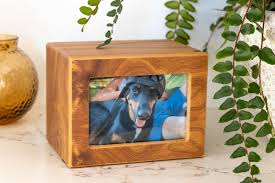
Others prefer to keep the urn displayed prominently on a living room mantle or bedside table. For those seeking a permanent, undisturbed location, certified pet cemeteries offer dedicated columbarium niches. These secure, above-ground memorial walls provide a beautiful, quiet place to visit for decades.
Turning ashes into specialized memorial jewelry or incorporating them into custom glass art pieces is also a beautiful tribute. These modern options ensure a piece of that loyal companion remains physically close at all times, offering immense comfort during the healing process.
Preparing for the Cost
End-of-life care is undeniably expensive, and understanding the baseline costs prevents sudden financial shock during a vulnerable moment. A fully private flame cremation for a medium-sized dog in the US typically ranges from $200 to $400 depending on the total body weight. Aquamation is slightly more expensive, often starting around $300 to $500 due to the highly specialized aquatic equipment required.
Communal cremation is the most budget-friendly option, usually costing under $100. Always remember that with communal services, absolutely zero ashes are returned to the family. Emergency veterinary clinics often mark up the cost of cremation services significantly if they handle the transportation logistics.
Contacting a private crematorium directly before the devastating day arrives allows families to compare prices calmly. It ensures the budget is spent on high-quality aftercare and beautiful urns rather than unnecessary administrative clinic fees.
What To Do Next
- Research Local Facilities: Search online for independent, dedicated pet crematoriums within a 50-mile radius. Call them directly today to ask if they perform “true private” cremations and demand an explanation of their metal tag tracking system.
- Make a Pre-Plan Document: Write down the exact facility name, phone number, and preferred type of cremation (flame vs. aquamation) on a piece of paper. Keep this document attached to the dog’s medical records so the decision is already made when the emotional day finally arrives.
Disclaimer: The content on Snoutbit.com is for informational and educational purposes only and is not intended to replace professional veterinary advice, diagnosis, or treatment. Always consult with your veterinarian before making significant changes to your dog’s diet, exercise routine, or health regimen.