The grief is suffocating, and the house suddenly feels terrifyingly quiet. Figuring out what to do with a dog’s remains while actively sobbing is a logistical nightmare no pet parent wants to face. The immediate impulse is often a quiet backyard burial, but that choice carries massive legal and environmental risks.

The most important takeaway is that formal pet cemeteries offer guaranteed, undisturbed perpetual care, whereas backyard burials are illegal in many US municipalities and risk deadly environmental contamination.Choosing a certified pet cemetery or a reputable cremation service provides total peace of mind. It ensures a dog’s final resting place remains secure, even if the family eventually moves to a new home.
The Legal Reality of Backyard Burials
Homeowners frequently assume they have the absolute right to bury a beloved Frenchie or Golden Retriever under their favorite oak tree. City zoning laws often dictate otherwise. In many suburban US neighborhoods, burying an animal on private property is an explicit code violation.
Local municipalities strictly govern groundwater contamination and burial depths. A shallow grave dug in a rush during an emotional afternoon invites absolute disaster. Heavy spring rains can easily disturb the site, or local wildlife might tragically uncover the remains.
If the home is ever sold, the new owners hold absolutely no legal obligation to preserve the burial site. They can pave over the garden or dig up the lawn to install a swimming pool. A dedicated pet cemetery completely eliminates this agonizing long-term anxiety.
🚨 Vet Fact: Euthanasia drugs do not break down in the soil after a dog passes away. The pentobarbital used in veterinary clinics remains highly active and lethal in the ground for over a year, posing a massive poisoning risk to scavenging wildlife.
Advanced Insight #1: The Pentobarbital Hazard
Generic end-of-life guides rarely discuss the environmental toxicity of a peaceful passing. When a vet administers the final, painless injection, the dog’s body absorbs a massive dose of concentrated anesthetics. This chemical does not magically dissipate.

If a dog is buried in a standard backyard grave without a sealed, commercial-grade casket, those chemicals leach directly into the surrounding dirt. Neighborhood stray dogs or curious foxes that dig near the site can easily ingest the contaminated soil. This leads to secondary toxicosis, which is frequently fatal for the scavenging animal.
Certified pet cemeteries entirely neutralize this threat. They utilize specific depth regulations, heavy-duty burial receptacles, and highly managed soil conditions. This ensures the surrounding ecosystem remains completely safe from residual veterinary chemicals.
The Emotional Anchor of a Dedicated Space
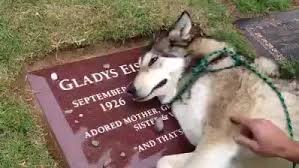
Grief is an incredibly isolating experience, especially in a society that often downplays the loss of an animal. Having a physical, dedicated location to visit validates that profound emotional bond. It provides a quiet sanctuary designed specifically for mourning a best friend.
Consider a rescue worker in New York who lost a highly reactive, fiercely loyal Staffy mix after a decade of rehabilitation. Burying the dog in a transient rental backyard was impossible. Purchasing a small plot in a serene, upstate pet cemetery gave the owner a permanent, beautiful place to visit every autumn.
The cemetery became an anchor point for processing the heavy grief. Surrounded by thousands of other honored pets, the isolation of the loss faded. It was a physical reminder that the dog’s life mattered deeply.
🐾 Snoutbit Pro-Tip: When touring a potential pet cemetery, always ask to see the facility’s “Declaration of Trust” or deed restrictions. This legally binding document prevents the land from ever being sold to commercial real estate developers in the future.
Advanced Insight #2: Deed Restrictions and Perpetual Care
Not all pet cemeteries are created legally equal. Some are simply operating on private farmland without long-term legal protections. If that farm owner passes away, their heirs might sell the land to a shopping mall developer.
The gold standard in end-of-life pet care is a facility operating under a strict “perpetual care” trust. This means a portion of the burial fee goes into an untouchable, interest-bearing bank account. The funds in this specific account are legally mandated to maintain the landscaping, headstones, and fencing forever.
Before purchasing a plot, request physical documentation of the perpetual care trust. A legitimate, highly regulated cemetery will happily provide this paperwork. If the management dodges the question, walk away immediately to avoid future heartbreak.
Communal vs. Individual Burial Options
Understanding the pricing structure of a pet cemetery requires knowing the difference between burial types. Cemeteries offer highly flexible options to accommodate different financial realities.
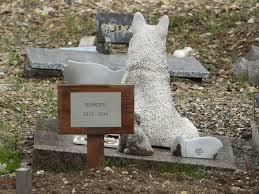
- Communal Burial: The dog is buried in a beautifully maintained, shared plot with other beloved pets. No individual headstones are allowed, making this the most cost-effective option.
- Individual Burial: The family purchases a private plot. This allows for a custom granite headstone, specific burial caskets, and private visitation rights.
- Columbarium Niches: For dogs that are cremated, the ashes are placed in a secure, above-ground memorial wall.
Each option provides a dignified, legal resting place. The choice simply depends on the family’s desire for a physical marker and long-term visitation habits.
🚨 Vet Fact: Rigor mortis begins to set in within three to four hours after a dog passes. If arranging transportation to a cemetery or crematorium, gently position the dog in a natural, curled sleeping pose immediately to make transport easier and more peaceful.
Advanced Insight #3: Whole-Family Cemeteries
A rapidly growing trend in the death care industry completely defies traditional burial norms. For decades, human cemeteries strictly banned animal remains, forcing families to separate from their pets in death. Modern legislation in several states is finally changing this outdated practice.
“Whole-family” cemeteries are fully licensed properties where human and animal remains can be legally interred in the exact same plot. This offers the ultimate comfort for deeply dog-obsessed owners. Knowing a loyal Golden Retriever will eventually share the same resting place brings immense peace of mind.
States like New York, Pennsylvania, and Virginia lead the country in offering these integrated burial sites. This advanced option requires significant pre-planning and early plot purchasing. The demand for shared human-canine burial spaces drastically outpaces the current availability.
The Midwest Golden Retriever Memorial
A family in the US Midwest faced a devastating diagnosis when their senior Golden Retriever developed aggressive lymphoma. They knew the end was approaching fast, so they proactively researched whole-family cemeteries. They found a beautiful, certified green cemetery just outside the city limits.
They purchased a family plot that allowed biodegradable caskets for both humans and pets. When the Golden Retriever finally passed, the burial was handled with incredible dignity. The dog was laid to rest under a newly planted oak tree, right where the owners plan to join him decades later.
This proactive planning completely removed the panic from the day of his passing. The family did not have to make massive financial or logistical decisions through a haze of tears. They simply made one phone call, and the cemetery staff handled the rest.
🐾 Snoutbit Pro-Tip: If traditional burial is too expensive, consider aquamation (alkaline hydrolysis). This gentle, water-based cremation alternative uses 90% less energy than flame cremation and yields beautiful, clean ashes that can easily be placed in a cemetery urn.
Preparing for the Financial Reality
End-of-life care is undeniably expensive. Emergency veterinary bills often completely drain a household’s savings right before the burial costs even begin. Understanding the baseline expenses prevents sudden sticker shock.
A private plot in a certified US pet cemetery typically ranges from $400 to over $1,500, depending on the zip code. Custom caskets and engraved headstones easily double that initial price. Furthermore, many facilities charge a mandatory, annual maintenance fee to keep the grounds looking pristine.
Pet insurance policies rarely cover the cost of burial or cremation. Setting aside a dedicated, small emergency fund specifically for end-of-life arrangements is a necessary reality of responsible pet ownership.
What To Do Next
- Check Local Ordinances: Call the local county zoning office today to verify the exact legal restrictions regarding backyard pet burials in the specific neighborhood.
- Research Trust-Funded Sites: Search online for a “perpetual care pet cemetery” within a one-hour driving radius. Schedule a quick weekend tour of the grounds to ensure the environment feels peaceful and professionally managed before the need ever arises.
Disclaimer: The content on Snoutbit.com is for informational and educational purposes only and is not intended to replace professional veterinary advice, diagnosis, or treatment. Always consult with your veterinarian before making significant changes to your dog’s diet, exercise routine, or health regimen.