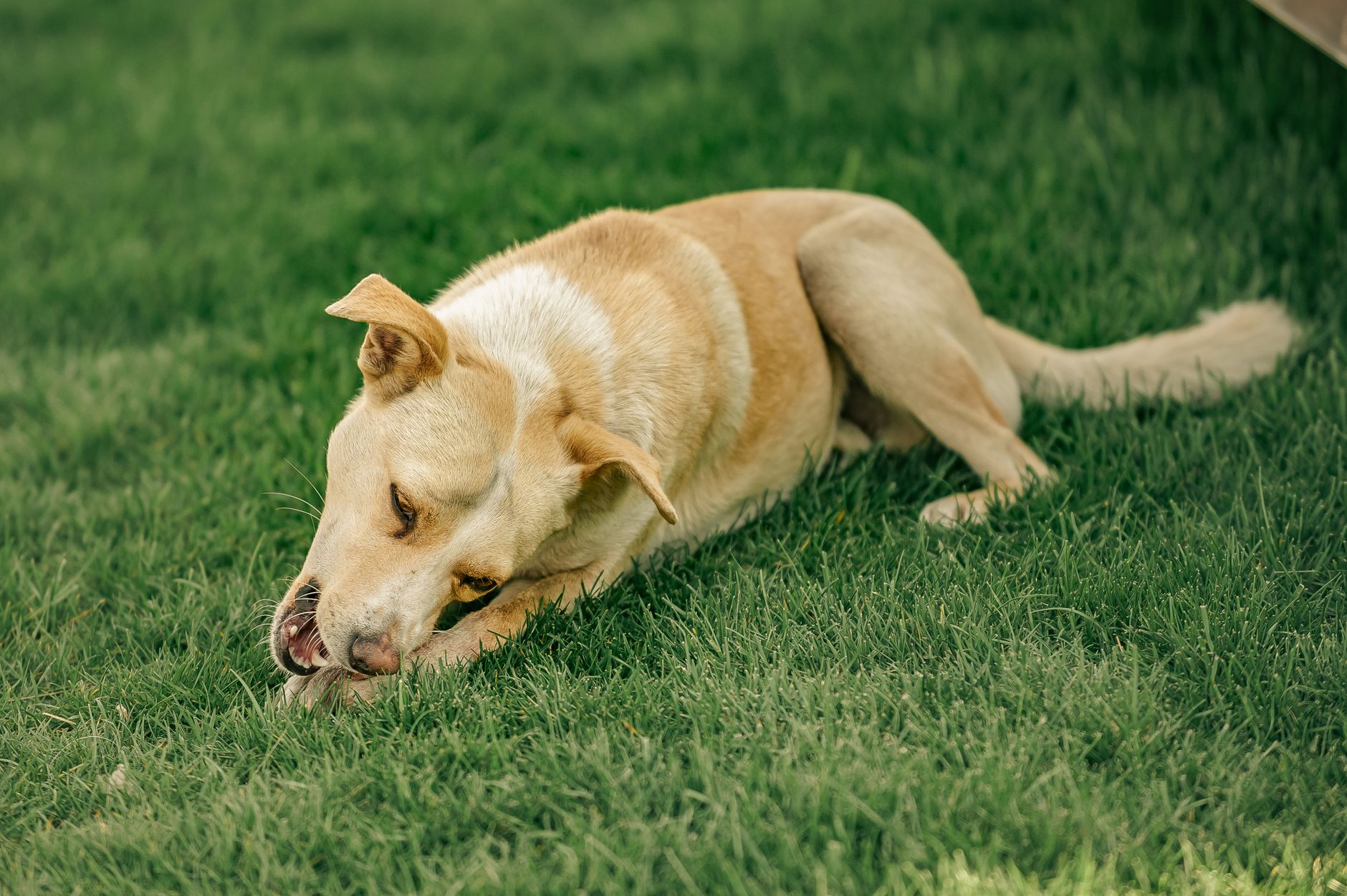
Labradoodle Health Issues: 10 Common Problems Every Owner Should Know
Introduction: The Popularity and Health Concerns of Labradoodles
Labradoodles, a cross between a Labrador Retriever and a Poodle, have become one of the most popular designer dog breeds. Their friendly nature, intelligence, and low-shedding coats make them a favorite among families. However, like all dogs, Labradoodles are prone to certain health issues. According to Dr. Rebecca MacMillan, a veterinarian, Labradoodles can inherit health problems from both Poodles and Labradors. This means that while they may benefit from hybrid vigor, they are not immune to genetic conditions. Research from the Royal Veterinary College found that designer dogs like Labradoodles have similar overall health risks to their parent breeds. As a responsible owner, it's crucial to be aware of the most common health issues affecting Labradoodles so you can recognize early signs and take preventive measures. In this article, we'll explore ten common Labradoodle health issues, ranging from allergies to serious conditions like bloat and cancer. By staying informed, you can help your Doodle live a long, healthy life.
Common Health Issues: Allergies, Ear Infections, and Joint Problems
Labradoodles are prone to several common health issues that can affect their quality of life. Understanding these conditions can help you take proactive steps to keep your dog comfortable and healthy.
Skin Allergies
Skin allergies are common in Labradoodles and can be triggered by food, parasites, or environmental allergens. These allergies often manifest as itching, redness, and hair loss. If you notice your Labradoodle constantly scratching or biting at their skin, consult your veterinarian. They can help identify the trigger and recommend treatments such as hypoallergenic diets, flea control, or allergy medications. For more insights on persistent scratching, see Why Is My Dog Scratching Constantly?.
Ear Infections
Ear infections are another frequent problem, thanks to their floppy ears, dense ear fur, and love of water. These factors create a warm, moist environment where bacteria and yeast thrive. Regular ear cleaning and thorough drying after swimming can help prevent infections. Signs of an ear infection include head shaking, scratching at the ears, and a foul odor. Learn more in How to Spot and Clean Dog Ear Yeast Infections?.
Hip and Elbow Dysplasia
Hip and elbow dysplasia are developmental joint disorders that can affect Labradoodles. These conditions occur when the joints don't develop properly, leading to pain, lameness, and arthritis. While genetics play a role, maintaining a healthy weight and avoiding strenuous exercise during growth can reduce the risk. Screening breeding dogs for hip dysplasia is a key prevention strategy. For signs your dog may be hiding pain, read Is Your Dog Hiding Joint Pain?.
CCL Tears
CCL tears are a common orthopedic injury in active dogs. The cranial cruciate ligament (CCL) is equivalent to the ACL in humans. A tear can cause sudden lameness and requires veterinary attention. Treatment may involve surgery and rehabilitation. Keeping your Labradoodle at a healthy weight and avoiding high-impact activities can help prevent this injury.
Serious Conditions: Bloat, Addison's Disease, and Cancer
While the previous conditions are common, Labradoodles are also at risk for more serious health issues that require immediate veterinary care.
Gastric Dilatation Volvulus (Bloat)
Gastric dilatation volvulus, commonly known as bloat, is a life-threatening emergency that can affect large, deep-chested dogs like Labradoodles. Bloat occurs when the stomach fills with gas and twists, cutting off blood supply. Symptoms include a distended abdomen, retching without vomiting, and restlessness. If you suspect bloat, seek emergency veterinary care immediately. Preventative measures include feeding smaller meals more frequently and avoiding vigorous exercise right after eating. For related digestive issues, see Why Is My Dog Throwing Up Yellow Bile?.
Addison's Disease
Addison's disease, or hypoadrenocorticism, is a condition where the adrenal glands don't produce enough hormones. It can cause symptoms like lethargy, vomiting, diarrhea, and weight loss. Diagnosis requires blood tests, and treatment involves hormone replacement therapy. While not as common as some other issues, it's important to be aware of the signs.
Epilepsy
Epilepsy is a neurological disorder that can cause seizures. It can be inherited or acquired. If your Labradoodle has a seizure, consult your veterinarian. Medications can help manage the condition and improve quality of life.
Eye Disorders
Labradoodles can also suffer from various eye disorders, such as progressive retinal atrophy (PRA) and cataracts. Regular eye exams by a veterinary ophthalmologist can help detect problems early.
Cancer
Cancer is a significant health concern for all dogs, including Labradoodles. Common cancers include lymphoma, mast cell tumors, and osteosarcoma. Early detection through regular veterinary check-ups is crucial for successful treatment.
Heart Disease
Heart disease, such as dilated cardiomyopathy, can affect Labradoodles. Symptoms include coughing, difficulty breathing, and exercise intolerance. Regular check-ups and a healthy lifestyle can help manage heart health.
Prevention and Management: Tips for Labradoodle Owners
While you can't prevent all health issues, there are steps you can take to reduce the risk and manage conditions effectively.
Screening Breeding Dogs
Prevention starts with responsible breeding. Screening breeding dogs for hip dysplasia is essential to reduce the incidence of joint problems in puppies. Reputable breeders will also screen for other genetic conditions such as eye disorders and heart disease. Always ask to see health clearances before purchasing a Labradoodle puppy.
Maintaining a Healthy Weight
Obesity is a major contributor to many health issues, including joint problems, heart disease, and diabetes. Maintaining a healthy weight through proper diet and regular exercise is one of the best ways to keep your Labradoodle healthy. Consult your veterinarian for a suitable diet plan and exercise routine. For diet considerations, see Are Raw Bones Safe For Dogs?.
Regular Veterinary Check-ups
Regular veterinary check-ups are vital for early detection of health issues. Your vet can perform physical exams, blood tests, and other screenings to catch problems before they become serious. Vaccinations, parasite prevention, and dental care are also part of routine care. For parasite prevention, read The Best Tick And Flea Prevention For Dogs In 2026: Oral Vs Topical.
Ear and Skin Care
Given their predisposition to ear infections and skin allergies, regular ear cleaning and skin checks are important. Use vet-approved ear cleaners and dry ears thoroughly after swimming. For skin allergies, work with your vet to identify triggers and manage symptoms. For allergy treatments, see The Great Itch Debate: Cytopoint vs Apoquel For Dogs.
Emergency Preparedness
Be aware of the signs of bloat and other emergencies. Keep your vet's emergency contact number handy and know the location of the nearest 24-hour veterinary hospital. Quick action can save your dog's life.
Veterinarian Insights and Research Findings
Dr. Rebecca MacMillan, a veterinarian, states that Labradoodles can inherit health problems from both Poodles and Labradors. This highlights the importance of understanding the genetic background of both parent breeds. Research from the Royal Veterinary College found that designer dogs like Labradoodles have similar overall health risks to their parent breeds. This means that while Labradoodles may benefit from hybrid vigor in some areas, they are not exempt from the health issues that affect Labradors and Poodles.
Common Labradoodle health issues include allergies, ear infections, hip and elbow dysplasia, CCL tears, bloat, Addison's disease, epilepsy, eye disorders, cancer, and heart disease. By being aware of these conditions, you can take proactive steps to prevent or manage them. Regular veterinary care, responsible breeding, and a healthy lifestyle are key to ensuring your Labradoodle lives a happy, healthy life.
Frequently Asked Questions
Are Labradoodles healthier than Labradors or Poodles? Research from the Royal Veterinary College indicates that designer dogs like Labradoodles have similar overall health risks to their parent breeds. While hybrid vigor may offer some benefits, Labradoodles are not immune to genetic conditions.
What are the most common signs of illness in Labradoodles? Watch for persistent scratching, head shaking, ear odor, limping, lethargy, vomiting, diarrhea, and changes in appetite or weight. Early detection is key.
How can I prevent bloat in my Labradoodle? Feed smaller, more frequent meals, avoid vigorous exercise right after eating, and use slow-feeder bowls. Know the signs of bloat and seek emergency care immediately if they appear.
When should I take my Labradoodle to the vet? Schedule regular check-ups at least annually. Seek immediate care for symptoms like a distended abdomen, retching without vomiting, difficulty breathing, or sudden lameness.
Conclusion
In conclusion, while Labradoodles are wonderful companions, they do require dedicated care to prevent and manage potential health issues. Stay informed, work closely with your veterinarian, and enjoy the many joys of owning a Labradoodle. For more on extending your dog's health, see Can Science Help Dogs Live Longer And Healthier Lives?.
Source: Canine Journal