The Best Tick And Flea Prevention For Dogs In 2026: Oral Vs Topical
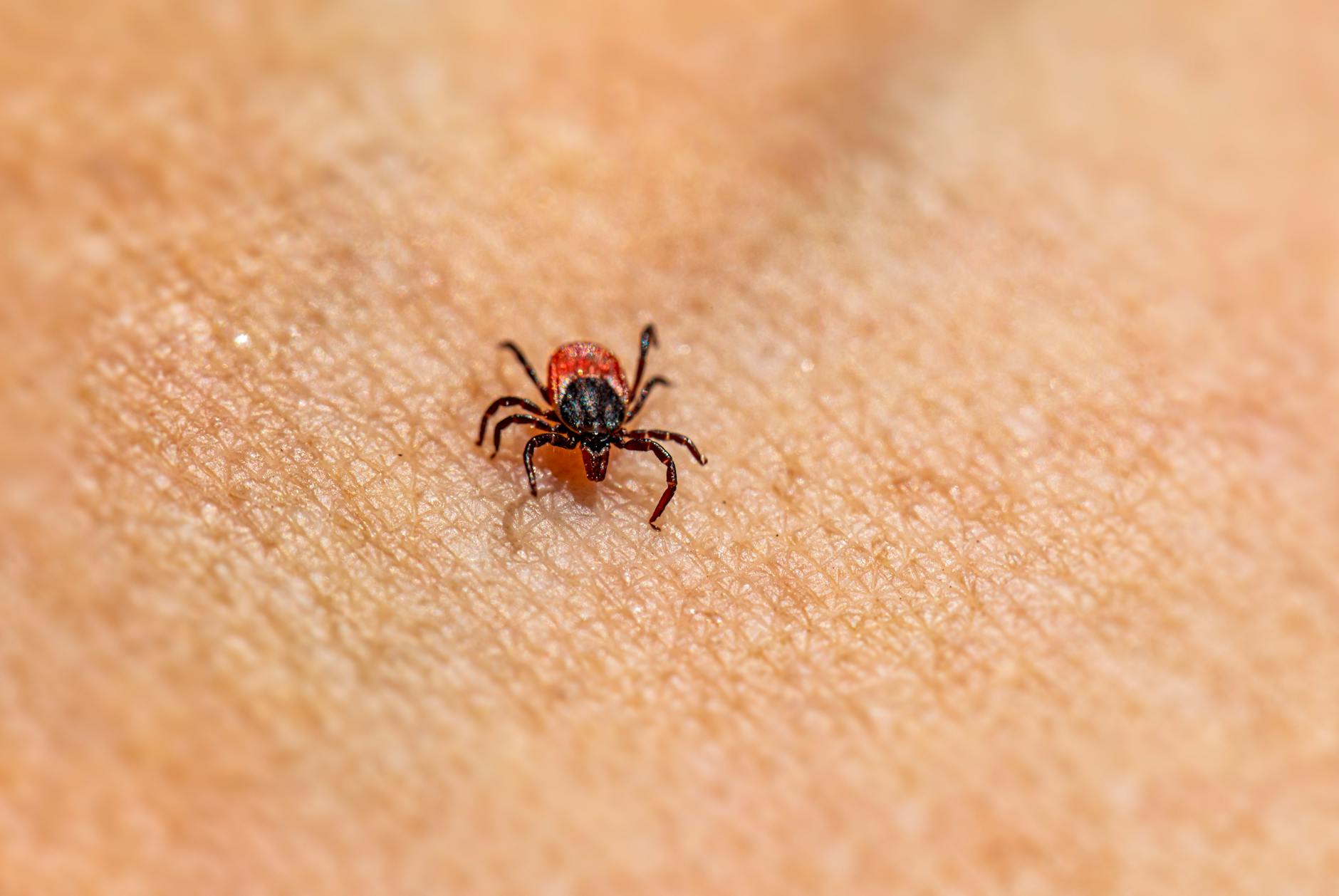
Finding a bloated tick firmly attached to a dog's neck is an instantly stomach-churning experience. The frantic internet searches about Lyme disease or fatal tick paralysis only amplify the pure, terrifying panic for dedicated pet parents. Drowning a dog in greasy, ineffective supermarket topical treatments is no longer the correct answer. The definitive best tick and flea prevention for 2026 relies on prescription Isoxazoline-class oral chewables (like NexGard, Bravecto, or Simparica Trio) for flawless systemic protection. These advanced oral medications drastically outperform messy topicals by killing parasites from the inside out before they can ever transmit dangerous diseases.
What Is The Best Tick And Flea Prevention For Dogs In 2026?
Modern veterinary science has completely revolutionized parasite control over the last decade. Forget the outdated, strong-smelling liquid vials that ruined living room furniture and left toxic chemical residues on human hands. The veterinary gold standard for 2026 focuses heavily on broad-spectrum, fast-acting oral preventatives.
These savory, meat-flavored chewables absorb directly into the canine bloodstream within a matter of hours. When a hungry parasite physically bites the dog, it ingests the active chemical ingredient and dies rapidly. This process eliminates the bug long before dangerous bacterial pathogens can successfully transfer into the canine host.
In our years of training energetic Labradors and active Blue Heelers, we constantly observe the exact same owner frustration. Families enthusiastically apply a topical liquid on Monday, let the dog swim in the local river on Tuesday, and find engorged ticks by Friday. Water exposure aggressively degrades topical efficacy, making oral preventatives the only foolproof choice for water-loving breeds.
🐾 Snoutbit Pro-Tip: Always administer oral tick and flea preventatives directly alongside a high-fat meal. The active chemical ingredients require dietary fat to fully absorb through the canine intestinal wall and enter the bloodstream effectively.
Are Oral Flea And Tick Preventatives Better Than Topicals?
The fierce debate between oral and topical applications fundamentally comes down to canine lifestyle and daily household dynamics. Oral medications provide absolute, waterproof protection that cannot be accidentally washed off during a sudden downpour or a trip to the beach. They also eliminate the massive safety risk of young children petting a chemically treated dog coat and rubbing their eyes.

However, modern topicals do still serve a very specific, tactical purpose in advanced parasite management. Some premium topical formulas actively repel parasites, preventing them from physically landing on or biting the dog in the first place. Oral medications require the tick to actually bite the dog to ingest the fatal, system-wide neurotoxin.
What Are The Safest Oral Tick Medications For Dogs?
The Isoxazoline class of drugs currently dominates the global veterinary market due to exceptional, proven efficacy. Brands like Simparica Trio, NexGard, and Bravecto belong to this highly advanced, fast-acting chemical family. They boast an incredible, extensively researched safety profile for the vast majority of healthy canines.
However, these powerful systemic drugs do carry specific neurological warnings for a tiny percentage of the canine population. Dogs with a known history of seizures or severe neurological tremors must absolutely avoid this specific drug class entirely. Always consult a veterinary professional to match the exact chemical formula to the dog's unique medical history and genetic background.
How Do Flea And Tick Collars Compare In 2026?
Old-school, powdery flea collars from the local supermarket are entirely obsolete and largely ineffective at repelling modern parasites. They only protect the immediate neck area while exposing the entire household to continuous, low-grade chemical dust. The only exception is the prescription-grade Seresto collar, which slowly releases a highly advanced lipid-based chemical across the entire coat over time.

These premium collars are absolutely fantastic for dogs that aggressively refuse to swallow oral tablets. They offer up to eight months of continuous, waterproof coverage without the daily pill battles. This long-term efficacy makes them incredibly popular and cost-effective for busy, multi-dog households.
🚨 Vet Fact: A single female tick can lay up to three thousand eggs in the home environment after consuming just one blood meal. Killing the adult tick on the dog is completely useless if the surrounding yard, dog beds, and living room carpets remain heavily infested.
How Does Weather Affect Tick And Flea Seasons?
Climate change has aggressively rewritten all the traditional rules for canine parasite prevention. The reliable "winter freeze" that used to naturally kill off tick populations is completely disappearing across North America. US dog owners must now treat parasite prevention as a strict, non-negotiable, year-round commitment to ensure total safety.
In Australia, the environmental threat level is significantly more terrifying and requires absolute, unyielding vigilance. The dense, coastal scrub environments are home to the incredibly deadly Australian Paralysis Tick. A single bite from this specific parasite injects a lethal neurotoxin that causes complete hind-leg paralysis and rapid respiratory failure within days.
We often see owners make a critical, dangerous mistake with their robust Staffies and Frenchies during peak summer heat. They assume short-haired breeds are naturally immune to hidden ticks because the parasites are supposedly easier to spot visually on short coats. This is completely false; ticks actively seek out the dark, hidden crevices between paw pads and deep inside the ear canals of all breeds.
What Are Advanced Strategies For Flea And Tick Prevention?
Relying entirely on a monthly chewable is fantastic, but advanced canine care requires a multi-layered, proactive defense system. Protecting the home environment acts as an invisible shield, drastically reducing the total number of parasites the dog ever physically encounters. Here are three advanced, highly effective environmental strategies that standard pet guides completely ignore:
- The "Desiccant Dust" Perimeter: Food-grade Diatomaceous Earth is a highly effective, completely non-toxic powder made from crushed fossilized algae. Sprinkling a solid perimeter line of this dust along outdoor fence lines physically shreds the exoskeletons of crossing ticks without using harsh chemicals.
- Strategic Yard Landscaping: Ticks absolutely despise direct sunlight and thrive exclusively in damp, heavily shaded leaf litter. Trimming back dense bushes and creating a wide, three-foot barrier of dry wood chips between the lawn and wooded areas halts tick migration instantly.
- The Tape Roller Trick: Keep a standard, extra-sticky lint roller in the car at all times. Immediately rolling the dog's entire coat after a bushwalk physically lifts unattached, wandering ticks off the fur before they ever bite the skin.
🐾 Snoutbit Pro-Tip: Never attempt to burn a tick off a dog's skin with a hot match or smother it with petroleum jelly. These outdated panic methods shock the parasite, forcing it to aggressively regurgitate toxic, disease-filled saliva directly back into the canine bloodstream.
Do Natural Bug Sprays Work For Dogs?
Natural essential oil sprays offer a wonderful, pleasant-smelling temporary barrier for short, casual neighborhood walks. Diluted cedarwood or peppermint oil acts as a mild olfactory deterrent for flying insects and opportunistic fleas. However, they lack the intense chemical power necessary to physically kill parasites or stop a determined, hungry tick from latching on.
Never substitute a scientifically proven oral or topical medication with a purely natural, homemade DIY spray. Utilizing natural sprays strictly as an additional layer of sensory protection over a proven oral preventative is the safest strategy. This dual-threat approach ensures the dog is protected both internally and externally during heavy outdoor excursions.
How Quickly Do Tick Medications Work?
When a dog returns from a long hike covered in unwanted parasites, speed is the absolute top priority. Modern oral preventatives act with terrifying, flawless efficiency against hitchhiking bugs. Once properly ingested and absorbed, medications like NexGard or Simparica Trio begin rapidly destroying adult fleas within exactly four hours.
Tick mortality typically occurs within twelve to forty-eight hours, depending heavily on the specific tick species and the exact chemical used. This rapid kill speed is incredibly critical for preventing long-term health complications. Dangerous diseases, such as Lyme or Anaplasmosis, generally require twenty-four hours of constant, uninterrupted attachment to transmit successfully into the host.
What To Do Next
Navigating the highly overwhelming world of parasite prevention does not have to be a source of constant, daily anxiety. By utilizing modern oral treatments and intelligent, proactive yard management, homes can remain completely parasite-free year-round. Protecting a faithful companion from dangerous diseases takes only a few minutes of proactive, strategic planning.
Here are two simple, immediate steps to take today to upgrade canine parasite protection:
- Audit The Calendar: Immediately check the calendar and verify exactly when the dog received their last dose of preventative medication. Set a recurring, monthly alarm on a smartphone right now so a crucial dose is never accidentally skipped again.
- Purchase A Tick Twister: Discard those dull household tweezers and order a specialized plastic "tick twister" tool online today. These inexpensive devices safely cradle the tick's body, cleanly twisting the head entirely out of the skin without squeezing toxic saliva into the dog.
Disclaimer: The content on Snoutbit.com is for informational and educational purposes only and is not intended to replace professional veterinary advice, diagnosis, or treatment. Always consult with your veterinarian before making significant changes to your dog’s diet, exercise routine, or health regimen.