
The Ultimate Pantry Guide: Can Dogs Eat Cheese, Peanut Butter, Or Bread?
Making a sandwich while a dog sits politely begging at the kitchen counter is a universal pet parenting struggle. Tossing them a crust of bread or a slice of cheddar feels harmless, but the sudden panic of wondering if those human foods are actually toxic creates immense anxiety. Conflicting online advice leaves families terrified of accidentally poisoning their dogs with a simple, well-intentioned afternoon snack.
Here is the definitive truth to eliminate that household anxiety completely: dogs can safely eat plain bread, low-sodium peanut butter, and low-lactose cheese in strict moderation. Peanut butter is an incredible, high-value training tool, provided it never contains the deadly artificial sweetener xylitol. Cheese is fantastic for hiding essential medications if the dog tolerates lactose, while baked bread is safe but offers absolutely zero nutritional value. Always avoid raw bread dough, which is a lethal, fast-acting hazard to canines.
Can Dogs Safely Eat Peanut Butter?
Peanut butter is universally beloved in the canine world, acting as a phenomenal source of protein, healthy fats, and vital vitamins. When smeared inside an interactive puzzle toy, it creates a high-value, long-lasting enrichment activity that keeps energetic dogs mentally exhausted. However, safely utilizing this popular sandwich spread requires absolute vigilance regarding the commercial ingredient label.
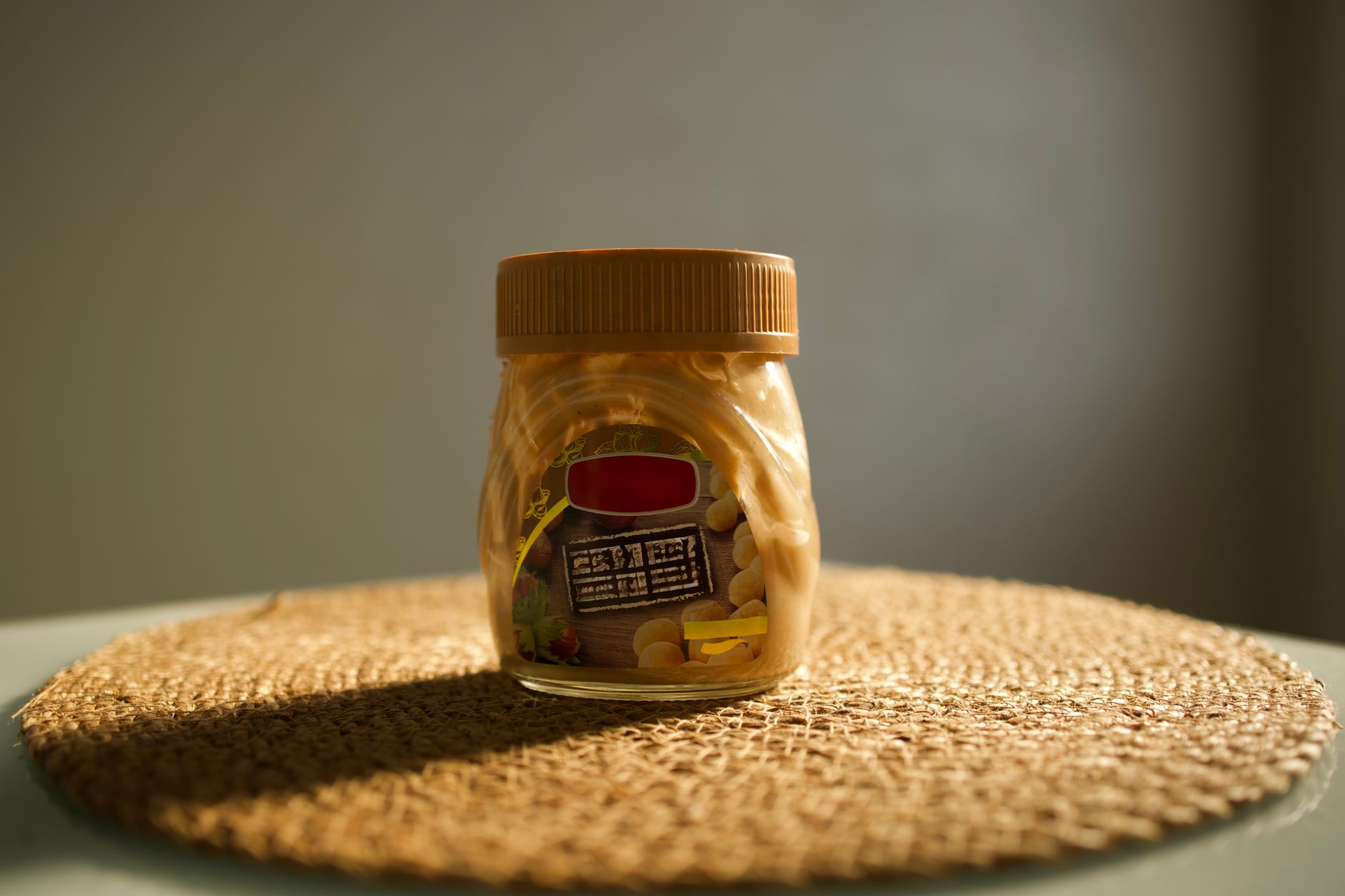
The most massive, hidden threat in the grocery store aisle is an artificial sweetener called xylitol, which is increasingly rebranded as "birch sugar." This synthetic additive is completely harmless to humans but violently toxic to canines, causing a rapid, catastrophic drop in blood sugar. Ingesting even microscopic amounts of xylitol leads to severe seizures, acute liver failure, and death within mere hours.
What Is The Best Peanut Butter For Dogs?
When selecting a jar specifically for canine consumption, flip the container around and read the fine print incredibly carefully. The ingredient list should contain exactly one item: dry roasted peanuts. Avoid commercial brands loaded with added salt, hydrogenated vegetable oils, or excess sugar, as these heavily contribute to canine obesity and systemic joint inflammation.
🚨 Vet Fact: Xylitol acts incredibly fast, triggering a massive, unnatural insulin release in the canine bloodstream within ten to sixty minutes of ingestion. If a dog consumes any product containing birch sugar or xylitol, skip inducing vomiting and drive straight to the nearest emergency clinic immediately.
In our years of rehabilitating highly reactive working breeds, utilizing pure peanut butter remains a cornerstone behavioral strategy. We once evaluated a highly anxious Australian Kelpie who would aggressively panic during standard veterinary exams and routine nail trims. By slathering a textured silicone lick mat with raw, unsalted peanut butter, the dog became so entirely focused on the food that the vet completed the exam seamlessly. The repetitive licking action actively releases potent endorphins that naturally soothe a frantic canine nervous system.
Is Cheese Bad For Dogs?
Cheese is a tremendously popular, high-value reward that most dogs will happily perform complex obedience routines to earn. It contains essential calcium, protein, and vitamin A, making it a relatively healthy snack when given in very strict moderation. The primary risk associated with feeding dairy is not systemic toxicity, but rather severe canine lactose intolerance.

Just like humans, many dogs completely lack the specific digestive enzyme required to break down lactose effectively inside the small intestine. Feeding a lactose-intolerant dog a bowl of dairy results in explosive diarrhea, painful stomach cramping, and incredibly foul-smelling gas. Always introduce a tiny, pea-sized piece of cheese first and heavily monitor the dog's stool quality for the next twenty-four hours.
Which Cheeses Are Safest For Canine Digestion?
Here is an advanced nutritional insight that prevents messy, unexpected stomach upsets after a heavy training session. The natural aging process of cheese physically burns off the vast majority of the lactose, making older cheeses much safer for canine consumption. Aged cheddar, hard Swiss, and traditional Parmesan are phenomenally low in lactose and generally well-tolerated by most adult pups.
Conversely, soft, unripened dairy products are heavily packed with digestive irritants and should be strictly avoided. Brie, feta, goat cheese, and standard cream cheese contain massive amounts of lactose and excess fat that easily trigger acute gastrointestinal distress. Furthermore, never feed a dog "blue" cheeses like Roquefort, as the specific mold used in the ripening process produces roquefortine C, a compound known to induce canine seizures.
🐾 Snoutbit Pro-Tip: String cheese is the ultimate, low-mess secret weapon for outdoor neighborhood training walks. It peels easily into tiny, highly controlled portions, stays perfectly solid in a warm treat pouch, and provides incredible focus from highly distracted pups.
Can Owners Use Cheese To Hide Dog Pills?
Administering daily oral medications is a notorious, deeply frustrating battle of wills in many households. Smushing a pill inside a moldable piece of cheddar is a classic, highly effective trick for entirely bypassing a stubborn dog's suspicion. The pungent, incredibly rich smell of the dairy completely masks the bitter, medicinal scent of the capsule.
We recently worked with a deeply stubborn French Bulldog who absolutely refused to swallow an essential daily allergy tablet. The owners were forcefully prying the dog's jaws open, destroying the trust bond and causing immense household stress every single morning. Simply rolling the pill tightly inside a small ball of low-fat mozzarella turned a miserable battle into an exciting, highly anticipated morning trick routine.
Can Dogs Eat Bread Safely?
Plain, fully baked bread is generally safe for canines to consume, provided they do not suffer from a diagnosed wheat or severe gluten allergy. However, it is absolutely essential to understand that standard white bread offers zero nutritional benefits to a canine diet. It is essentially just empty, high-glycemic carbohydrates that rapidly convert to sugar, heavily contributing to the widespread canine obesity epidemic.
Tossing a crust of plain whole wheat or sourdough to a begging dog will not cause immediate harm or stomach upset. The extreme danger lies entirely in complex, gourmet breads containing hidden, toxic ingredients baked directly into the loaf itself. Raisin bread, garlic bread, and macadamia nut bread are all fiercely toxic to dogs and require immediate emergency veterinary intervention if accidentally eaten.
Why Is Raw Bread Dough Deadly For Dogs?
While baked bread is harmless fluff, unbaked yeast dough is a catastrophic, life-threatening hazard for any canine scavenger. When a dog consumes raw dough, their dark, incredibly warm stomach acts exactly like a bakery proving oven. The dough begins expanding violently inside the gut, stretching the stomach tissue to the point of necrosis or triggering a fatal gastric torsion.
Worse still, as the active yeast ferments the sugars inside the expanding dough, it produces massive amounts of pure ethanol. This ethanol absorbs rapidly into the canine bloodstream, causing acute alcohol toxicosis within an hour of ingestion. The dog will quickly experience severe neurological depression, plunging body temperatures, and eventual, fatal respiratory failure.
🚨 Vet Fact: Canine alcohol toxicosis from raw yeast dough presents with extreme lethargy, staggering movements, and a distinct, sweet smell of alcohol on the breath. This is a critical time-sensitive emergency; never wait to see if the dog simply "sleeps it off" on the living room rug.
Does Weather Affect How We Use Pantry Snacks?
Local environmental factors should actively dictate exactly how these high-value pantry items are deployed during weekly training. During the sweltering, dangerous heat of an intense US summer or a notorious Australian heatwave, rigorous outdoor exercise must be severely limited. When robust, working breeds are trapped indoors for safety, they quickly become highly destructive if not provided an outlet for their mental energy.

This is exactly where a simple jar of peanut butter transforms into a household lifesaver for restless, profoundly bored pups. Smear a thin layer of natural peanut butter along the inside of a durable rubber puzzle toy and freeze it completely solid overnight. Giving this frozen puzzle to a frustrated Staffy or Golden Retriever provides over an hour of intense, cooling mental enrichment while the pavement outside remains dangerously hot.
What To Do Next
Sharing safe pantry staples with a faithful companion is an incredible way to build strong training habits and deepen the human-animal bond. By memorizing these specific dietary safety rules, households can confidently utilize high-value rewards without the terrifying fear of accidental poisoning. Proper preparation and meticulous label reading are the absolute only tools required for safe canine snacking.
Here are two simple, immediate steps to take today to ensure total pantry safety:
- Audit The Peanut Butter Jar: Walk into the kitchen immediately and meticulously read the ingredient label on the household peanut butter. If the words "xylitol" or "birch sugar" appear anywhere on the panel, permanently remove the jar from the house or store it safely inside a securely locked cabinet.
- Create A High-Value Training Stash: Cut a single stick of low-lactose string cheese into fifty microscopic, pea-sized pieces right now. Place these tiny morsels into a sealed container in the refrigerator to use specifically for high-distraction leash training during tonight's evening walk.
Disclaimer: The content on Snoutbit.com is for informational and educational purposes only and is not intended to replace professional veterinary advice, diagnosis, or treatment. Always consult with your veterinarian before making significant changes to your dog’s diet, exercise routine, or health regimen.