Is Your Dog Slowing Down? The Ultimate Guide To Spotting And Soothing Dog Arthritis At Home
Watching a once-vibrant companion struggle to stand up from their dog bed is completely heartbreaking. The sheer panic sets in when they hesitate at the bottom of the stairs, sparking intense fear that their quality of life is rapidly fading away. The definitive answer to managing dog arthritis is that it is absolutely not an immediate death sentence, but rather a structural condition requiring intense environmental management. The biggest takeaway is that aggressively managing chronic joint inflammation through strict weight control and low-impact household modifications drastically improves a dog's daily comfort and mobility. Trading explosive games of fetch for controlled, joint-safe activities completely reshapes their physical reality, allowing senior dogs to thrive well into their golden years.
What Are The Hidden Signs Of Dog Arthritis?
Canine osteoarthritis is an incredibly insidious, slow-moving condition that quietly destroys the protective cartilage cushioning the joints over several years. Because the degradation happens so gradually, observant pet parents frequently dismiss early warning signs as the dog simply "slowing down" with age. Waiting for a dog to exhibit a severe, undeniable limp means the joint disease has already progressed to an incredibly painful, advanced stage.

Early indicators of chronic joint pain are remarkably subtle and often entirely behavioral rather than strictly physical.
- Excessive, obsessive licking of a specific wrist or knee joint is a classic canine attempt to soothe deep, internal throbbing.
- A sudden reluctance to jump into the family SUV or hesitation before hopping onto the living room couch points directly to lower back or hip pain.
- Shifting their sleeping position from a tightly curled ball to sleeping completely stretched out on their side indicates severe spinal stiffness.
🚨 Vet Fact: Joint pain frequently manifests as sudden, unexplained behavioral aggression or intense grumpiness. A normally sweet dog that snaps when touched near their lower back or hips is likely experiencing severe, acute arthritic inflammation, not a sudden personality change.
How Do Dogs Hide Joint Pain From Owners?
Dogs are deeply biological creatures hardwired with ancient, ancestral survival instincts that demand they mask physical vulnerability. High-drive working breeds, such as Australian Kelpies and sturdy Blue Heelers, will literally work through agonizing pain to complete a task for their handler. They rely entirely on adrenaline to push through a game of fetch, making them appear completely fine while outside.
Once that adrenaline completely wears off inside the house, the dog will suddenly crash, appearing incredibly stiff and unable to settle comfortably. Consider a highly realistic scenario involving a notoriously resilient Blue Heeler that lived on a large property. The owners believed the dog was perfectly healthy because it chased cattle all morning, entirely missing the fact that the dog spent the entire evening violently shivering from severe joint inflammation.
How Does Weight Impact Canine Joint Health?
Generic pet blogs constantly repeat that excess weight acts like a heavy backpack, placing unnecessary mechanical stress on damaged joints. While carrying extra pounds certainly causes intense physical wear-and-tear, this simple explanation completely misses the true biological danger of canine obesity. Here is a highly advanced, critical insight: body fat is not just dead weight; it is a highly active, dangerous endocrine organ.
Excess fat tissue constantly pumps out highly toxic, inflammatory hormones known scientifically as adipokines directly into the dog's bloodstream. These specific hormones aggressively attack and degrade joint cartilage, actively accelerating the brutal progression of osteoarthritis. Keeping an arthritic dog incredibly lean is the absolute most powerful, non-medical intervention available to slow down this devastating cellular destruction.
Can Diet Slow Down Cartilage Degeneration?
Feeding a dog a massive bowl of highly processed, carbohydrate-heavy dry kibble directly fuels systemic inflammation throughout their entire body. Transitioning a senior dog to a diet rich in high-quality, bioavailable proteins helps maintain the critical muscle mass needed to stabilize wobbly, arthritic joints. Furthermore, incorporating heavily researched omega-3 fatty acids, specifically EPA and DHA sourced from marine oils, actively blunts the inflammatory response inside the joint capsule.
🐾 Snoutbit Pro-Tip: Swap out high-calorie, processed training treats for fresh, dog-safe blueberries or lightly steamed green beans. These low-calorie options provide a satisfying crunch while delivering powerful, natural antioxidants to help combat systemic joint inflammation without packing on dangerous pounds.
How Does Climate Affect Arthritic Dogs?
Local environmental extremes act as massive, hidden multipliers for physiological distress and dictate exactly how a senior dog manages their chronic pain. During the brutal, sweltering heat of an Australian outback summer, a dog's physical system is pushed to its absolute biological limits. Intense thermal stress forces the canine body to constantly pant, leading to rapid, severe exhaustion that makes supporting their painful joints incredibly difficult.
Conversely, cold fronts and sudden drops in barometric pressure during a humid US winter cause the fluid inside the joints to painfully expand. This physical expansion creates intense stiffness, making those early morning bathroom breaks agonizing for an older Golden Retriever or Frenchie. Providing a heated, orthopedic bed during the winter and ensuring access to cool, air-conditioned rooms during the summer provides vital, environmental pain relief.
Does Tick Season Make Joint Pain Worse?
Heavy coastal tick seasons frequently expose energetic dogs to severe, debilitating vector-borne diseases when exploring tall grasses and wooded trails. Contracting Lyme disease in the US Northeast or surviving a paralysis tick bite in Queensland completely ravages the canine immune system. These tick-borne illnesses frequently cause sudden, extreme joint swelling known as tick-borne polyarthritis, which mimics or drastically worsens existing osteoarthritis.
Maintaining strict, veterinary-approved oral or topical preventatives that cover these specific regional threats is a non-negotiable requirement for senior dogs. A compromised, arthritic immune system simply cannot fight off these aggressive, blood-borne pathogens without sustaining permanent, irreversible joint damage.
What Are Advanced Home Modifications For Arthritic Dogs?
A dog slipping and sliding across a sleek, hardwood kitchen floor is not cute; it is a highly dangerous, biomechanical disaster. Every single time a dog's paws slip laterally, they suffer microscopic tears in the tiny stabilizing muscles surrounding their hips and shoulders. These constant micro-tears generate massive amounts of localized inflammation, completely undoing the benefits of expensive joint supplements.

Creating a completely slip-free household environment is absolutely critical for restoring an arthritic dog's confidence.
- Lay down a continuous pathway of inexpensive yoga mats or heavy-duty runner rugs to create high-traction "runways" across slippery rooms.
- Apply specialized, veterinary-approved friction grips directly to the dog's toenails to instantly provide traction on hardwood and tile floors.
- Utilize sturdy, foam-density pet stairs to completely eliminate the need for the dog to jump onto elevated beds or couches.
🚨 Vet Fact: Over 80% of dogs over the age of eight suffer from some degree of osteoarthritis hiding in their joints. However, because the progression is incredibly slow, most pet parents entirely miss the early warning signs until the cartilage is almost entirely gone.
Are Orthopedic Beds Actually Worth The Money?
Tossing a fluffy, cheap poly-fill bed on the floor does absolutely nothing to support a dog suffering from severe spinal or hip arthritis. When a heavy breed like an English Staffy steps onto a cheap bed, the loose filling instantly separates, leaving their painful joints resting directly on the hard floor. True orthopedic support requires high-density, medical-grade memory foam that pushes back against the dog's weight.
A realistic case involved a senior Golden Retriever that paced the house all night, unable to sleep due to severe elbow dysplasia. The owners finally invested in a five-inch thick, solid memory foam mattress designed specifically to distribute weight evenly. The very first night the dog utilized the proper orthopedic support, the restless pacing stopped entirely, allowing the joint inflammation to finally cool down.
How To Safely Exercise A Dog With Severe Arthritis?
Assuming an arthritic dog should completely stop moving to protect their joints is a highly fatal, outdated misconception. Total physical rest leads directly to rapid muscle atrophy, which removes the critical muscular support required to hold the damaged joints in alignment. The secret is entirely replacing high-impact, explosive exercises with slow, highly controlled, low-impact movements.
Playing an aggressive game of fetch requires violent, explosive starts, hard stops, and twisting jumps that completely shred fragile cartilage. Ditch the tennis ball entirely and transition the dog to taking slow, deliberate "Sniffaris" through a quiet, flat neighborhood park. Allowing the dog to walk slowly and sniff every single bush provides massive mental enrichment while gently building up the microscopic stabilizing muscles in their legs.
🐾 Snoutbit Pro-Tip: Never play fetch or allow an arthritic dog to sprint on wet grass or loose, dry beach sand. These highly unpredictable, shifting surfaces force their compromised joints to aggressively overcompensate, practically guaranteeing a severe, highly painful soft tissue injury.
What Is The Two-Minute Turnaround Rule?
Managing a senior dog's endurance requires strict mathematical tracking to prevent severe, next-day joint flares. The "Two-Minute Turnaround Rule" is an advanced physical therapy concept that prevents an enthusiastic dog from walking far past their physical limits. If the dog begins to show even a slight limp exactly ten minutes into a walk, the total walk time for the next day becomes exactly eight minutes.
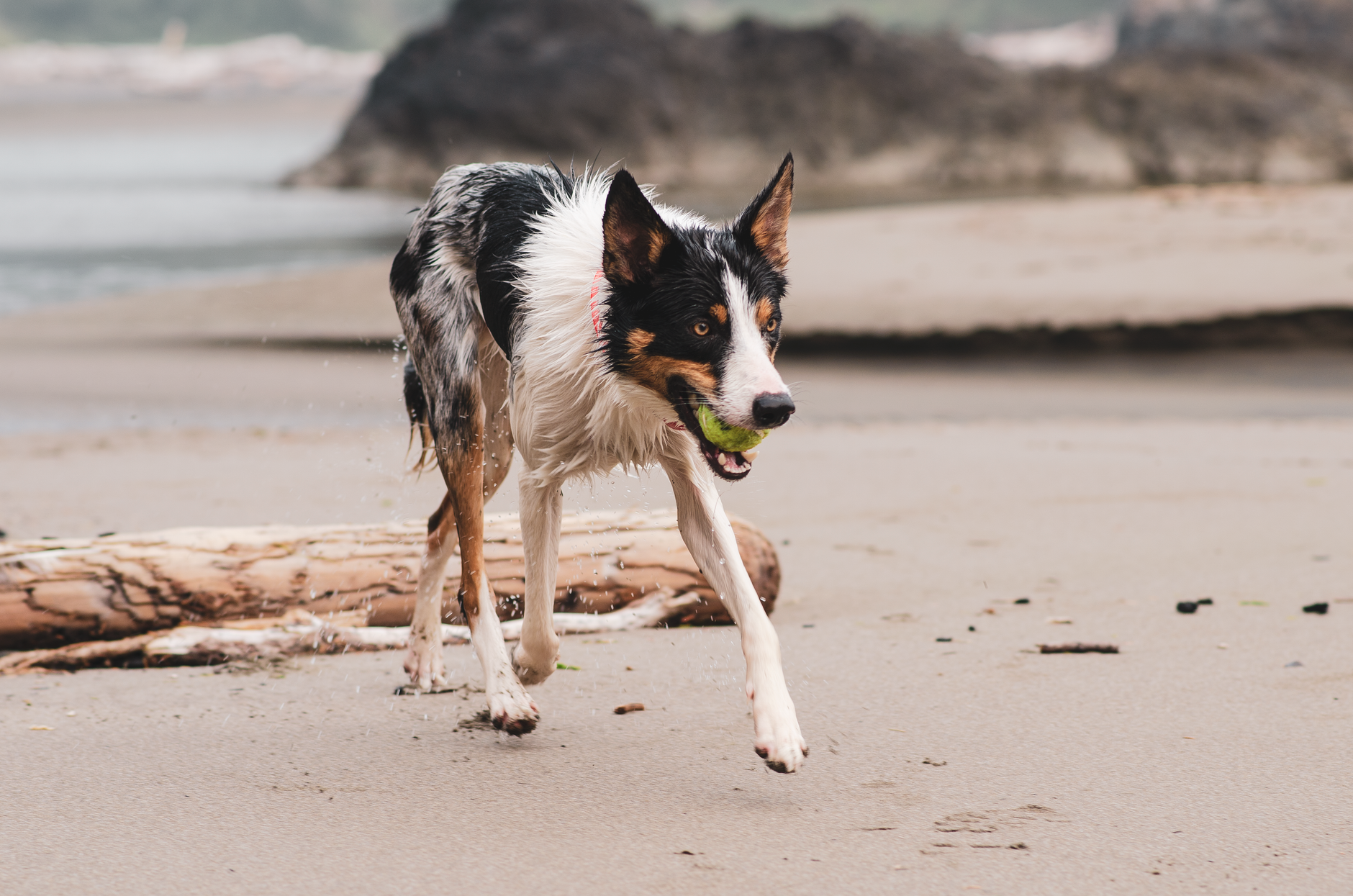
Never walk an arthritic dog until they look physically tired, because by that point, the joint capsule is already severely inflamed. The goal is to provide just enough gentle movement to lubricate the joint fluid without ever crossing the threshold into physical exhaustion.
What To Do Next
Navigating the heartbreaking reality of dog arthritis requires completely abandoning old routines and aggressively optimizing the dog's physical environment. By deeply understanding the inflammatory dangers of excess body fat and installing high-traction flooring, pet parents can drastically reduce their dog's daily pain levels.
Here are two simple, immediate steps to take today to support aging joints:
- Audit The Floor Traction: Walk through the primary living spaces this afternoon and physically identify any slick, uncarpeted zones the dog must cross to reach their water bowl. Immediately purchase and place a non-slip runner rug over this specific danger zone to permanently stop the microscopic muscle tearing caused by sliding.
- Book A Weight Assessment: Call the local veterinary clinic tomorrow morning and schedule a brief, strictly weigh-in appointment. Discovering the dog's exact, current body weight allows for mathematically precise caloric reductions, immediately stopping toxic fat from destroying their remaining cartilage.
Disclaimer: The content on Snoutbit.com is for informational and educational purposes only and is not intended to replace professional veterinary advice, diagnosis, or treatment. Always consult with your veterinarian before making significant changes to your dog’s diet, exercise routine, or health regimen.