Are Raw Bones Safe For Dogs?
Watching a beloved dog suffer through a painful, expensive dental cleaning is an absolute nightmare for any pet parent. The conflicting advice found online about natural chewing alternatives only makes the situation more frustrating. Owners often end up paralyzed by the fear of splintering hazards, settling for highly processed, ineffective synthetic chews that barely scrape away plaque. This comprehensive guide provides the definitive truth about giving raw bones for dogs.
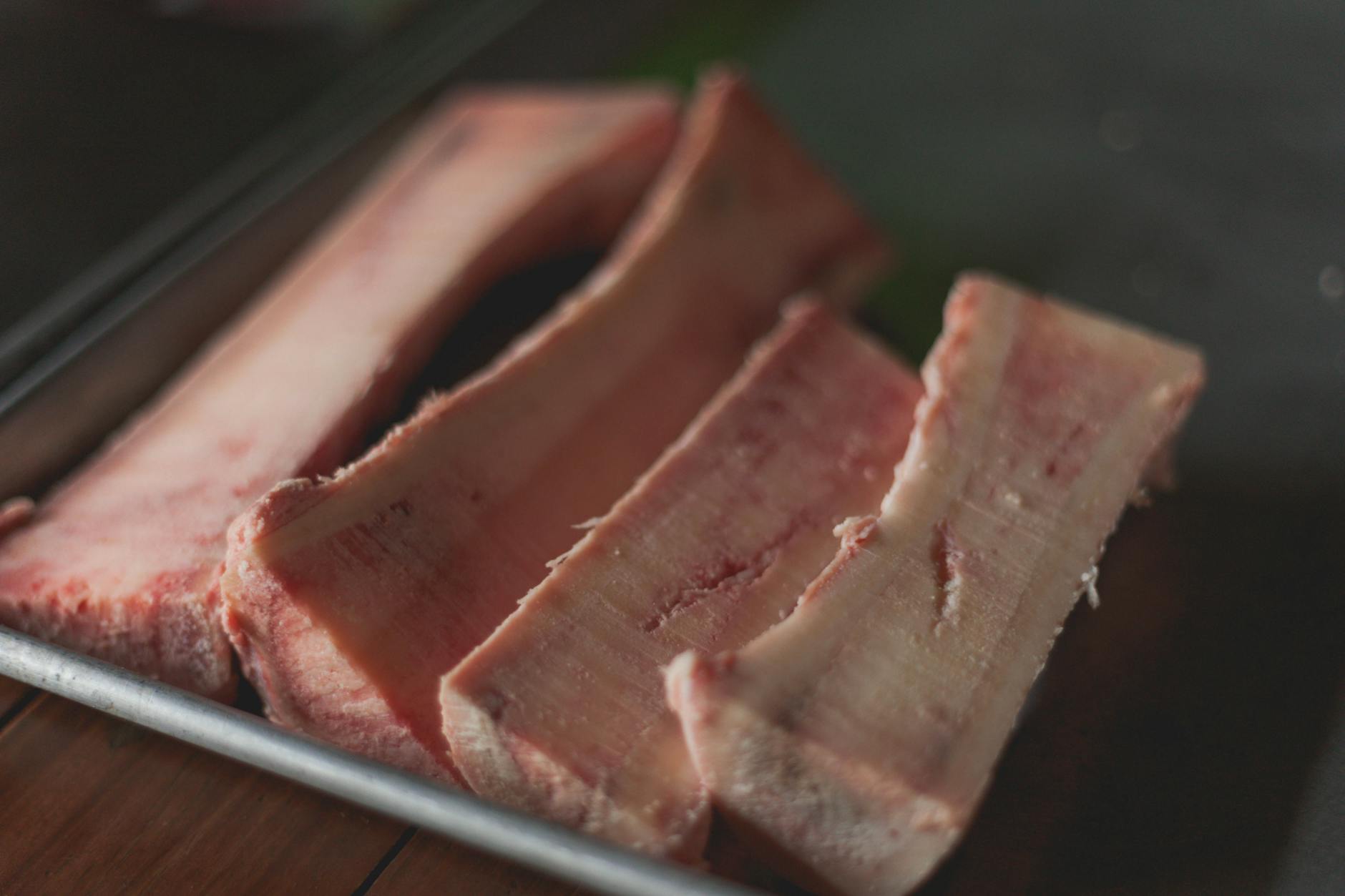
Yes, raw bones are incredibly safe and highly beneficial, provided they are strictly raw and appropriately sized. The golden rule is simple: never feed cooked, baked, or smoked bones, as these become brittle and can cause severe internal damage. Always select a raw, non-weight-bearing bone (such as a poultry neck or lamb rib) that is significantly larger than the dog’s head to prevent choking. Sticking to these non-negotiable parameters transforms a terrifying hazard into nature's perfect toothbrush.
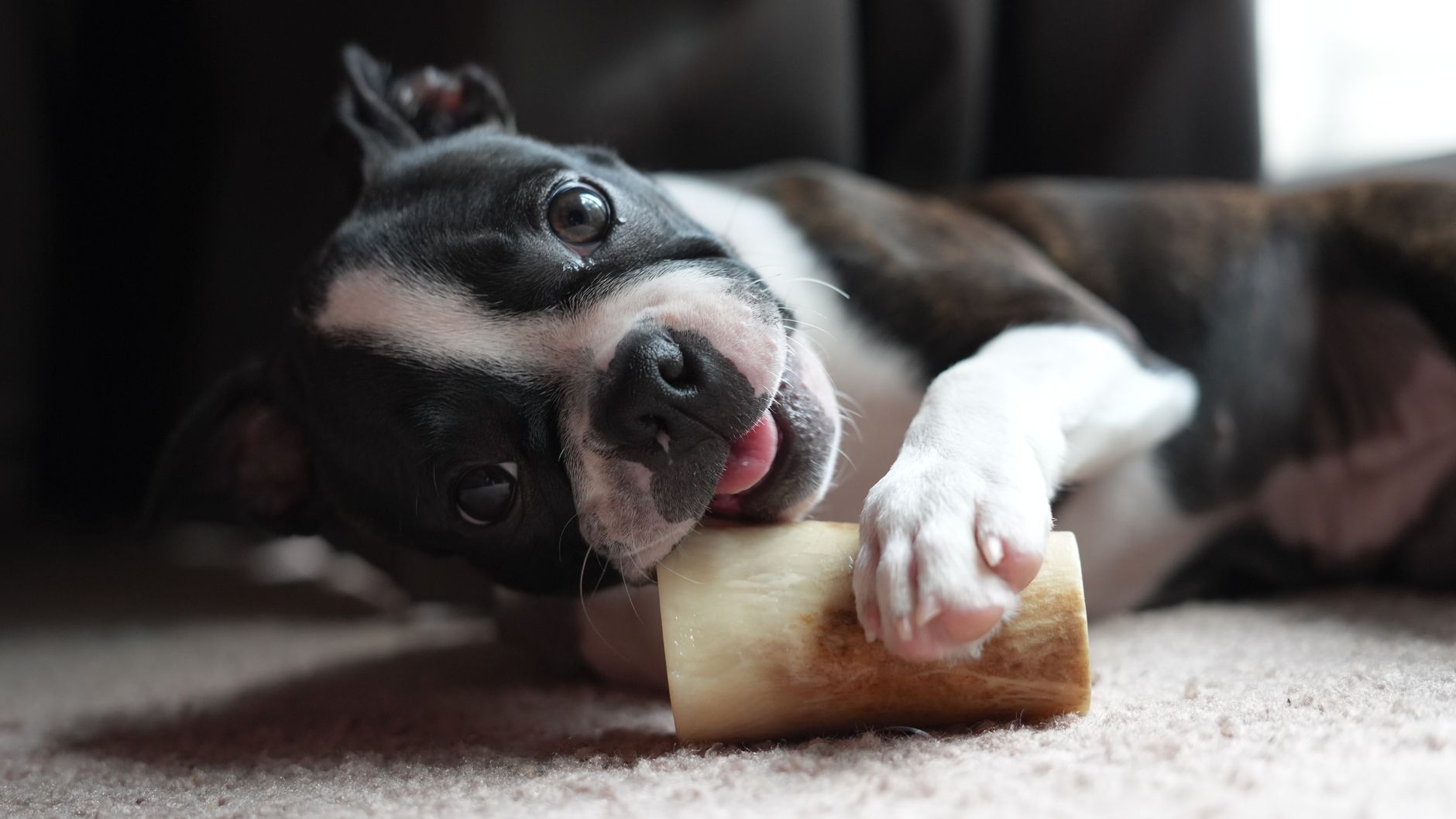
Cooked bones undergo a structural change that removes their natural moisture and elasticity. This cooking process is exactly what creates the dangerous, sharp shards that puncture delicate digestive tracts. Raw bones, conversely, remain soft, pliable, and easily digestible for a healthy canine stomach.
What Are The Benefits Of Raw Bones For Dogs?
There is a profound biological reason wild canines gnaw on the remnants of their prey. Giving raw bones for dogs taps directly into their primal instincts while providing incredible health benefits that plastic toys simply cannot replicate. We utilize them constantly in our behavior modification programs to help settle anxious, over-stimulated dogs naturally.
- Natural Dental Hygiene: The mechanical action of scraping against raw bone, meat, and cartilage acts like an abrasive toothbrush. It effectively removes stubborn plaque and tartar buildup from the gum line without synthetic chemicals.
- Intense Mental Stimulation: Chewing is a highly enriching, self-soothing behavior for all canine breeds. The focused effort actively releases endorphins in the brain, calming anxious, stressed, or hyperactive pups almost immediately.
- Whole-Food Nutrition: Raw, meaty bones provide highly bioavailable minerals like calcium, magnesium, and phosphorus. The attached muscle meat and connective tissues offer a fantastic boost of high-quality, easily digestible protein.
🐾 Snoutbit Pro-Tip: Always supervise raw chew time with undivided attention to monitor chewing behavior. If a dog starts trying to swallow large chunks instead of methodically gnawing, trade the bone for a high-value treat immediately.
Which Raw Bones Are Best For Specific Breeds?
Choosing the right bone size and density is absolutely critical for canine safety and enjoyment. A tiny Frenchie requires a completely different chew than a massive, high-drive Blue Heeler. The goal is always to find non-weight-bearing bones that are relatively soft and heavily covered in muscle meat.
What Bones Are Safe For Frenchies And Small Breeds?
Small breeds have delicate jaws that cannot handle dense, heavy bones. Poultry necks, wings, and backs are ideal starting points for little mouths. Chicken, duck, and turkey necks contain soft, highly digestible cartilage that crunches safely and easily.
What Bones Can Golden Retrievers And Medium Breeds Have?
Medium breeds require something slightly more robust that will not be swallowed whole. Pork ribs or lamb ribs are fantastic options for dogs with moderate jaw strength. They offer plenty of meat and challenging, but ultimately safe, connective tissue to gnaw through.
What Are The Best Bones For Kelpies And Large Power Chewers?
In our years of training Labradors and Kelpies, we often see owners make a critical mistake with power-chewing pups. They hand over a dense, weight-bearing bone like a beef femur, assuming it will safely last forever. Unfortunately, these indestructible recreational bones are exactly what cause severe, painful dental fractures.
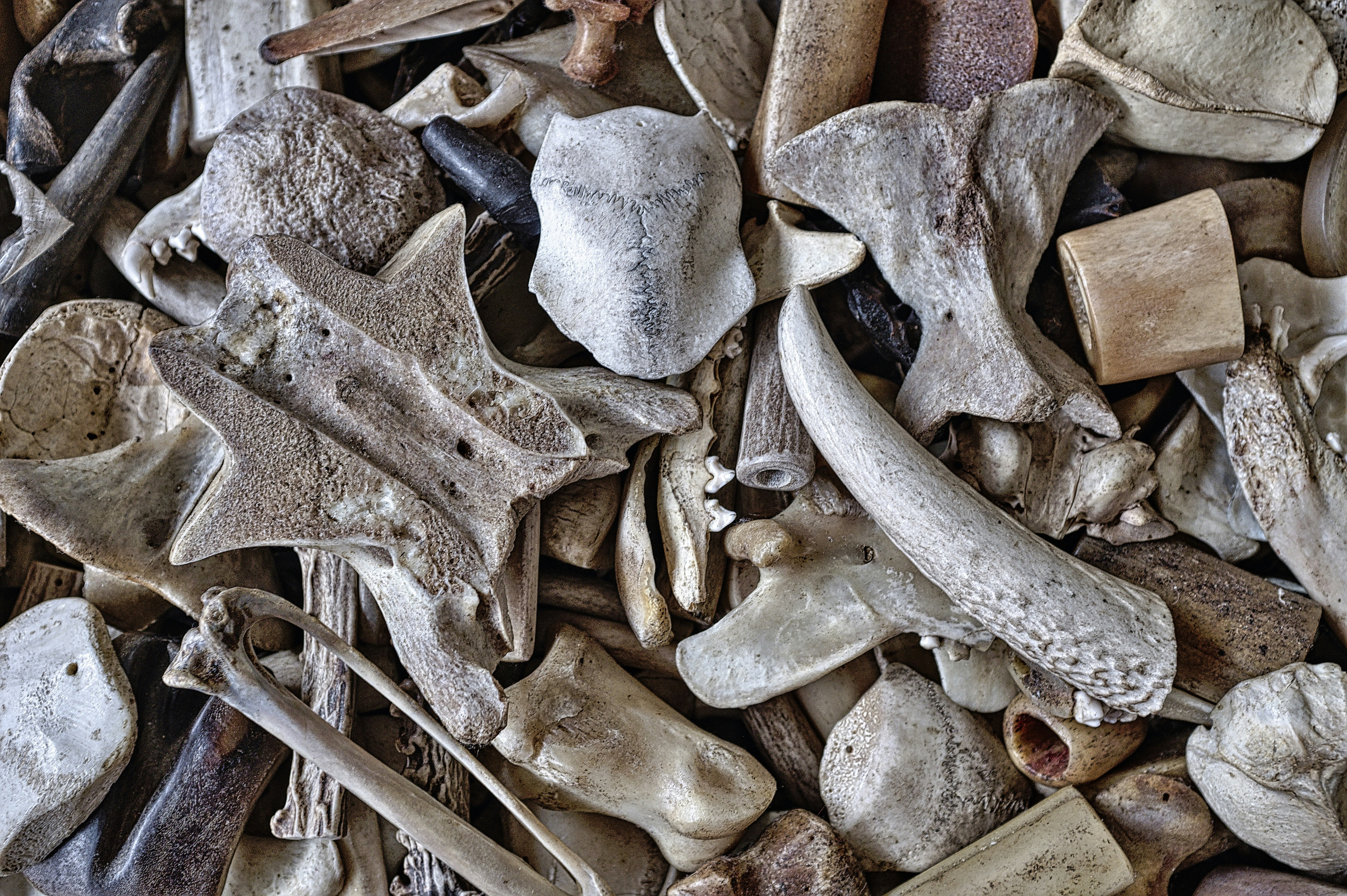
Instead of dense leg bones, large breeds need oversized, softer options. Beef knuckles or large turkey necks are the absolute gold standard for robust breeds. These provide hours of safe, satisfying gnawing without risking cracked molars.
🚨 Vet Fact: Dense, weight-bearing bones from large herbivores (like cow femurs or marrow bones) are a leading cause of painful tooth fractures in dogs. Stick to softer, non-weight-bearing bones heavily covered in meat to protect delicate enamel.
How To Feed Dogs Raw Bones Safely?
Most generic pet advice stops at simply warning against cooked bones, but true safety requires much more. Advanced strategies are needed to maximize the behavioral benefits while actively minimizing the health risks. Here are three advanced insider methods for feeding raw bones for dogs safely.
1. The "Bone-to-Head Ratio" Rule
Never hand over a bone that can fit entirely inside the dog's mouth cavity. The bone should be noticeably larger than the dog's head to physically prevent them from attempting to swallow it whole. This strict size restriction forces them to use the sides of their mouth to gnaw, optimizing dental cleaning.
2. The "Thaw and Wipe" Technique
Many owners rightfully worry about high bacterial loads on raw supermarket meat. Instead of rinsing bones in the sink, which recklessly splatters bacteria everywhere, thaw them safely in the refrigerator overnight. Right before serving, wipe the bone vigorously with a paper towel soaked in a highly diluted apple cider vinegar solution to safely reduce surface bacteria.
3. The Marrow Scoop Strategy
Raw marrow is incredibly rich, heavily fatty, and can easily trigger explosive diarrhea in sensitive dogs. If choosing a marrow-rich bone for recreational chewing, use a butter knife to scoop out 80 percent of the marrow first. This allows the dog to enjoy the long-lasting chewing experience without the devastating gastrointestinal upset later.
Does Weather Affect How Often Dogs Can Have Bones?
Local environmental factors play a massive role in how raw feeding should be managed. If living in a hot climate, a raw bone sitting in the midday sun turns into a dangerous bacterial breeding ground within minutes. We learned this the hard way while working with a relentlessly high-drive Staffy during the brutal Australian summer heat.
To keep the dog cool and the meat completely safe, we started thoroughly freezing the raw lamb ribs before feeding time. This dramatically extended the duration of the chew time and kept the hyperactive dog occupied much longer. It also provided essential, soothing relief from the sweltering heat without compromising the raw nutritional value.
Whether dealing with a humid Florida summer or the peak of Aussie tick season when dogs are stuck inside, frozen raw bones are absolute lifesavers. Just remember to feed them outside in the shade or on a dedicated, washable mat to contain the inevitable mess.
🐾 Snoutbit Pro-Tip: Limit raw bone chewing sessions to 15 or 20 minutes at a maximum. Once the time is up, calmly trade the bone for a treat, place the bone in a clean ziplock bag, and return it to the fridge for up to three days.
How To Manage The Mess Of Raw Bones?
Giving raw bones for dogs is undeniably a messy endeavor. Pet parents are dealing with raw meat, blood, and excess canine saliva, which absolutely does not belong on an expensive living room rug. Establishing a strict routine and a designated chewing zone is vital for maintaining household sanity.
- The Outdoor Strategy: Whenever the weather permits, feed raw bones outside on the grass or patio. This remains the easiest cleanup method, as nature handles the remnants while the dog gets fresh air.
- The Indoor Crate Method: If bad weather forces the activity inside, a wire dog crate is the best option. Remove all plush bedding, leave only the bare plastic pan, and let the dog enjoy their bone safely enclosed.
- The Towel Protocol: For dogs that detest crates, train them to chew strictly on a designated bone towel in a quiet corner of the kitchen. Once they finish, simply toss the towel directly into a hot wash cycle with pet-safe detergent.
Can Puppies Safely Eat Raw Bones?
Young puppies can absolutely benefit from raw bones, especially when they hit that miserable, painful teething phase. The freezing cold temperature of a chilled poultry neck works absolute wonders for inflamed, throbbing puppy gums. It successfully redirects their frantic urge to chew away from expensive shoes and wooden furniture.
However, owners must stick exclusively to very soft, fully edible options for young, inexperienced dogs. Chicken necks or chicken wing tips are fantastic, manageable starting points for most energetic breeds. Always supervise them closely, as puppies are still actively learning how to chew properly and may foolishly try to gulp larger pieces.
🚨 Vet Fact: Raw bones should never make up more than 10 percent of a dog's total weekly caloric intake. Exceeding this limit can severely unbalance their primary diet unless feeding a carefully formulated, fully raw diet under direct professional guidance.
How Often Should Dogs Chew On Raw Bones?
The ideal feeding frequency depends entirely on the dog's overall diet, age, and individual digestive tolerance. For dogs currently thriving on a standard commercial kibble diet, introducing raw bones too quickly can severely upset their stomach. Owners must start incredibly slowly and monitor canine stool habits closely for the next 24 hours.
For total beginners, start with just one small raw bone every two weeks to let the gut biome adjust naturally. For adjusted veterans, one to two raw bones per week is an excellent, sustainable routine for maintaining pristine teeth. If canine stool becomes distinctly chalky, hard, and white, the dog is consuming far too much bone matter and frequency must be reduced.
What To Do Next
Giving raw bones for dogs absolutely does not have to be an ongoing source of anxiety. Armed with the right knowledge and strict safety protocols, it becomes one of the cheapest, easiest ways to upgrade canine health naturally.
Here are two simple, immediate steps to take today to get started:
- Assess The Dog's Chew Style: Is the dog a gentle, methodical nibbler or a highly destructive power chewer? Honestly identify this trait before heading to the store to ensure the appropriate bone density and size is selected.
- Source Quality Local Bones: Visit an independent local butcher or a reputable, high-end pet supply store this weekend. Ask them specifically for raw, non-weight-bearing bones like turkey necks, duck frames, or lamb ribs to kickstart this healthy habit safely.
Disclaimer: The content on Snoutbit.com is for informational and educational purposes only and is not intended to replace professional veterinary advice, diagnosis, or treatment. Always consult with your veterinarian before making significant changes to your dog’s diet, exercise routine, or health regimen.