Can Science Help Dogs Live Longer And Healthier Lives?
Watching a dog age rapidly is a heartbreaking reality for every pet parent. Gray muzzles and stiff joints seem to appear overnight, creating intense panic about the unfairly short canine lifespan. Can science help dogs live longer? Absolutely, and the biggest takeaway is that canine lifespans can be actively extended today through cellular health optimization, lean body mass management, and emerging anti-aging therapies. Breakthroughs in veterinary gerontology prove that longevity is not just about lucky genetics. Pet parents can actively manipulate biological aging pathways right now to add healthy, vibrant years to a dog's life.
Why Do Some Dog Breeds Live Longer Than Others?
Genetics certainly play a foundational role in how many years a dog ultimately enjoys. Large working breeds usually age significantly faster than smaller companion dogs due to rapid growth rates in puppyhood. This accelerated early growth puts immense oxidative stress on canine cells, leading to faster biological deterioration.

Experienced trainers frequently witness the tragic consequences of rapid growth in large breeds. Take the case of an overfed Golden Retriever pup that developed severe joint dysplasia by age two. When the owners strictly managed the dog's growth rate and lean muscle mass, the retriever reclaimed years of active vitality.
What Is Canine Epigenetic Testing?
Most pet owners are familiar with standard DNA breed identification kits. However, advanced epigenetic testing is fundamentally changing how the veterinary world views canine aging. These groundbreaking tests measure a dog's actual biological age rather than their chronological age by analyzing DNA methylation patterns.
DNA methylation changes directly in response to environmental stressors, diet, and daily exercise routines. If a chronological five-year-old dog has a biological age of seven, immediate lifestyle interventions are required. This allows owners to reverse cellular damage before devastating clinical diseases ever manifest.
🐾 Snoutbit Pro-Tip: Do not wait for a senior wellness exam to assess biological aging. Start utilizing canine epigenetic testing kits when a dog turns three to establish a healthy cellular baseline and track lifestyle impacts.
Will There Be A Pill To Make Dogs Live Longer?
The veterinary pharmaceutical landscape is currently undergoing a massive revolution focused entirely on longevity. Scientists are no longer just treating age-related diseases; they are directly targeting the aging process itself. The most promising breakthroughs currently in clinical trials involve FDA-approved experimental longevity drugs like LOY-001.
Biotech companies are developing these injectables specifically to target the IGF-1 hormone in large breed dogs. High levels of IGF-1 drive rapid growth but simultaneously accelerate the aging process. By safely reducing these hormone levels, science is actively working to give giant breeds the same lifespan as small terriers.
How Does Rapamycin Work For Dogs?
Another massive anti-aging focus involves a human immunosuppressant drug called Rapamycin. Rapamycin acts as a powerful mTOR inhibitor within the mammalian body. The mTOR pathway essentially acts as a biological switch that tells cells to focus on growth or focus on cellular repair.
By dampening this pathway, Rapamycin forces canine cells to clean out damaged, toxic cellular waste. This cellular "housekeeping" process is scientifically known as autophagy. Clinical trials within the Dog Aging Project suggest this process significantly improves cardiac function and cognitive sharpness in senior dogs.
🚨 Vet Fact: The FDA recently established the Center for Veterinary Medicine’s new "aging" category, marking the first time the government recognized aging as a treatable condition in animals. This paves the way for life-extending drugs specifically formulated for canine biology.
What Are Canine Telomeres And Why Do They Matter?
Telomeres are the protective caps located at the very end of canine DNA strands. Every single time a cell divides, these telomeres become slightly shorter until the cell eventually dies. Science clearly shows that dogs with longer telomeres consistently outlive dogs with rapidly degrading telomeres.
Chronic psychological stress, such as severe separation anxiety or a highly unpredictable home environment, rapidly accelerates telomere shortening. Ensuring a dog has a calm, structured routine with plenty of deep, restorative sleep physically protects their DNA. Sleep deprivation actively prevents the canine brain from clearing neurotoxins, essentially aging the brain overnight.
How Does The Canine Microbiome Affect Longevity?
Gut health dictates almost every facet of systemic canine health, from immune responses to behavioral stability. Advanced science reveals that a diverse gut microbiome is highly correlated with extreme longevity in canines. Dogs with poor gut diversity suffer from chronic systemic inflammation, which is the root cause of premature aging.
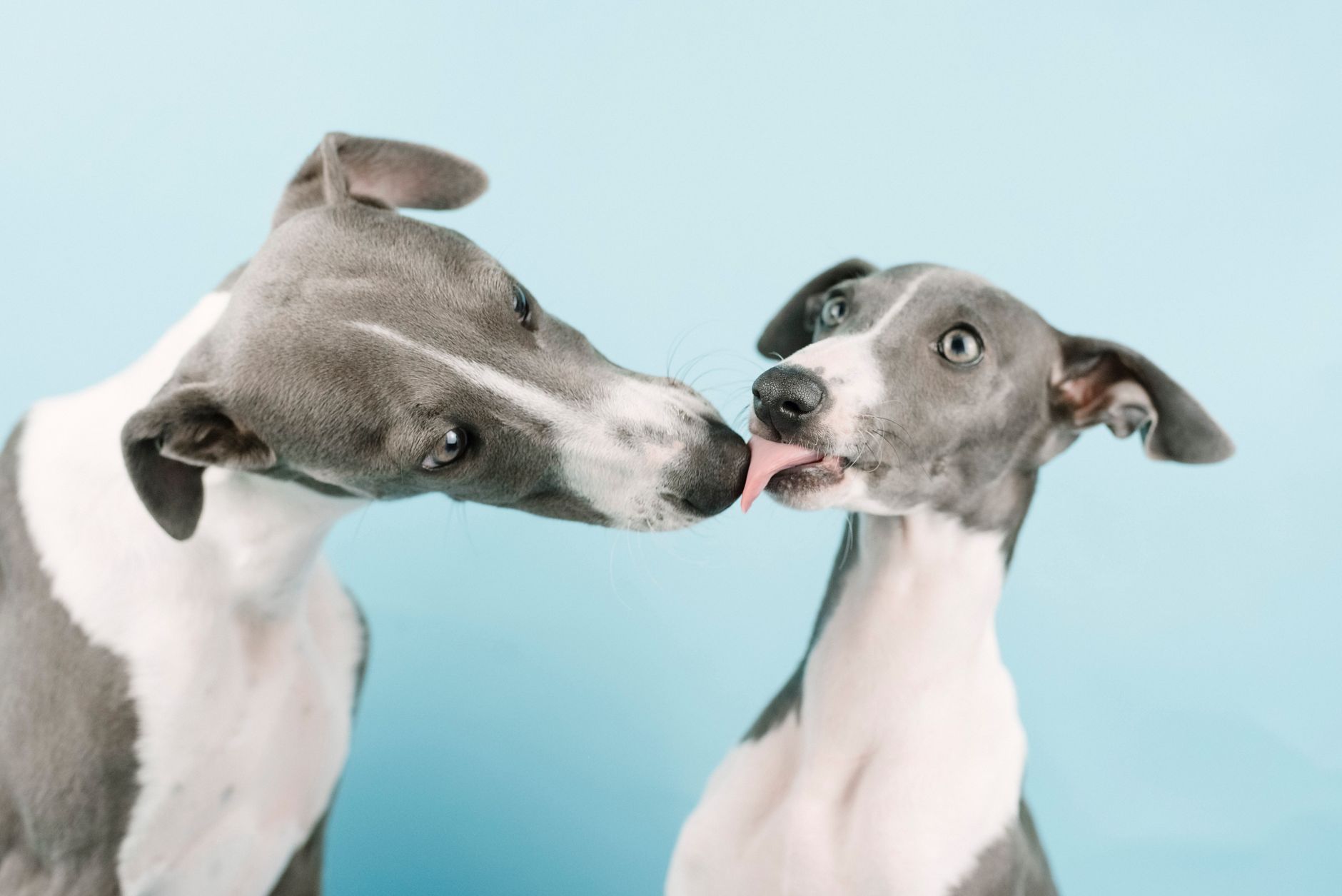
Fecal Microbiota Transplantation (FMT) is an emerging science offering incredible anti-aging benefits. This involves taking gut bacteria from a highly healthy, resilient dog and transferring it to a sick or aging dog. Early studies show this rapidly resets the aging gut, drastically reducing inflammatory markers and boosting immune defense.
🐾 Snoutbit Pro-Tip: Utilize the simple "rib test" every single week to monitor body condition. If a dog's ribs feel like the back of a human hand, the weight is perfect; if they feel like the fleshy palm, the dog is overweight.
How Does Body Condition Score Affect Dog Lifespans?
Maintaining an optimal weight is the single most effective, scientifically proven way to extend a dog's life today. A landmark veterinary study spanning two decades proved that feeding dogs twenty-five percent less calories increased their lifespan by nearly two full years. Rather than obsessing over the number on the bathroom scale, experts utilize a nine-point Body Condition Score (BCS).
A dog should consistently score a four or five on the BCS scale. This means the ribs are easily felt under a thin layer of fat, and a distinct waistline is visible from above. Carrying excess fat tissue creates a constant state of low-grade inflammation that destroys healthy cells over time.
Can Extreme Weather Accelerate Canine Aging?
Environmental stressors play a massive, frequently overlooked role in canine biological aging. Chronic exposure to extreme temperatures places intense, prolonged stress on a dog's cardiovascular and respiratory systems. During the brutal summer heat across the US South or the notorious Australian outback, robust breeds face severe oxidative stress.
A Frenchie struggling to breathe in heavy humidity is experiencing systemic cellular damage. Even rugged working dogs like Kelpies or Blue Heelers require strict heat management to prevent premature organ aging. Intense physical exertion during dangerous temperature spikes accelerates the natural breakdown of telomeres.
🚨 Vet Fact: Canine cognitive dysfunction (dementia) affects over sixty percent of dogs aged eleven or older. Regular, challenging mental enrichment physically builds new neural pathways, creating a "cognitive reserve" that drastically delays the onset of dementia symptoms.
Do Local Parasites Impact Dog Lifespans?
Furthermore, intense Aussie tick seasons expose dogs to vector-borne diseases that can permanently compromise their immune systems. Chronic infections from tick bites trigger an endless immune response that rapidly depletes cellular energy. Science dictates that strict, year-round parasite prevention is an absolute requirement for maximizing longevity.
Every time a dog's body fights off a severe parasitic infection, biological resources are diverted away from cellular repair. This allows microscopic cellular damage to accumulate, fast-tracking the physical signs of aging.
Do Canine Joint Supplements Really Prevent Aging?
Mobility loss is often the first visual indicator of canine physical decline. When a dog stops moving due to joint pain, their cardiovascular health plummets and obesity sets in rapidly. Protecting the joints early is not just about comfort; it is a critical longevity strategy.
Standard glucosamine is helpful, but advanced science points toward New Zealand Green-Lipped Mussel extract. This specific marine extract contains rare ETA omega-3 fatty acids that aggressively shut down systemic joint inflammation. Preventing joint degradation allows senior dogs to maintain the vital cardiovascular exercise required for a long life.
Behaviorists often observe pet parents making a critical mistake with high-energy breeds like Staffies. They play high-impact fetch on hard pavement every single day, completely destroying the dog's cartilage by age five. Switching to low-impact swimming preserves joint integrity and adds years of comfortable mobility.
What Is The Best Diet For A Longer Dog Life?
Nutrition is the foundation upon which all anti-aging science is built. Feeding highly processed, extruded kibble exclusively exposes dogs to advanced glycation end products (AGEs). These toxic compounds are formed during high-heat cooking and actively bind to healthy proteins, stiffening tissues and accelerating aging.

Science suggests replacing at least twenty percent of a highly processed diet with fresh, whole foods. Adding antioxidant-rich blueberries, gently steamed broccoli, or raw leafy greens directly combats oxidative stress. These natural antioxidants neutralize the free radicals responsible for destroying healthy canine DNA over time.
What To Do Next
Science is actively providing the exact tools needed to maximize the time spent with a beloved canine. Extending a dog's lifespan does not require waiting for future miracle drugs; it requires immediate, daily lifestyle optimization.
Here are two simple, immediate steps to take today to promote canine longevity:
- Assess Body Condition: Perform the weekly rib test tonight before dinnertime. If the ribs are difficult to feel, reduce the dog's daily caloric intake by ten percent immediately to halt cellular inflammation.
- Audit Mental Enrichment: Swap out one physical walk this week for a pure mental enrichment session. Use a frozen puzzle feeder or a complex snuffle mat to build vital neural pathways and stave off cognitive decline.
Disclaimer: The content on Snoutbit.com is for informational and educational purposes only and is not intended to replace professional veterinary advice, diagnosis, or treatment. Always consult with your veterinarian before making significant changes to your dog’s diet, exercise routine, or health regimen.