The Great Itch Debate: Cytopoint vs Apoquel For Dogs (And Which Actually Works)
Watching a beloved dog violently scratch their skin raw all night is an absolute nightmare for any pet parent. The constant, rhythmic thumping of a hind leg and the wet sounds of frantic paw-chewing leave entire families exhausted and feeling completely helpless. When soothing oatmeal baths, expensive shampoos, and over-the-counter sprays repeatedly fail to provide comfort, the frustration quickly turns to panic.
The fastest, most effective way to stop this relentless cycle is choosing between two revolutionary veterinary treatments: Cytopoint and Apoquel. Apoquel is a highly effective, fast-acting daily pill that stops severe itching within hours, making it perfect for sudden, unexpected flare-ups. Cytopoint, conversely, is a biological injection that lasts up to eight weeks, making it the superior choice for long-term management and dogs that absolutely refuse to swallow pills. Choosing the correct path depends entirely on canine lifestyle, age, and internal health.
What Are The Common Signs Of Dog Seasonal Allergies?
Canine allergic reactions look completely different from the standard human response to spring pollen. Dogs do not typically get runny noses or watery eyes; instead, they experience severe, systemic skin inflammation. This intense biological reaction targets the most sensitive areas first, specifically the paws, armpits, underbelly, and ears.
In our years of rehabilitating energetic Golden Retrievers and sensitive French Bulldogs, we frequently observe owners misinterpreting these physical symptoms entirely. We once worked with a brilliant, high-drive Golden who was suddenly labeled as "aggressive" because he growled whenever his paws were touched. The owners assumed it was a sudden behavioral regression that required intense, strict obedience training.
It turned out the pup was suffering from extreme environmental atopy, and his paw pads were completely raw, swollen, and bleeding from hidden grass allergies. Once the seasonal allergies were treated medically, the reactive, aggressive behavior vanished completely overnight. Always watch for rusty-colored paws caused by excessive saliva staining, constant head shaking, or dragging the belly aggressively across the living room carpet.
🚨 Vet Fact: Dogs possess highly concentrated sweat glands located deep within their paw pads. Every time they walk across a blooming spring lawn, microscopic pollen sticks directly to their sweaty feet, making paws the primary epicenter for painful allergic reactions.
How Does Cytopoint Work For Dogs?
Cytopoint is a marvel of modern veterinary dermatology because it is not a traditional pharmaceutical drug made of synthesized chemicals. It is a highly specialized monoclonal antibody specifically designed to mimic a dog's own natural immune system. This biological treatment actively targets and neutralizes canine interleukin-31 (IL-31), the exact circulating protein that triggers the maddening itch response.
Because it is a biological protein rather than a chemical drug, it completely bypasses the liver and kidneys during the metabolization process. The dog's body simply breaks it down and recycles it naturally, just like any other dietary protein. This unique mechanism makes it an incredibly safe, low-impact option for vulnerable senior dogs or pups with pre-existing organ compromises.
How Long Does A Cytopoint Injection Last?
A single injection, quickly administered by a veterinary technician, typically provides anywhere from four to eight weeks of continuous, reliable itch relief. This hands-off approach is a massive relief for busy households with chaotic, unpredictable daily schedules. It is also the ultimate, stress-free solution for deeply stubborn dogs who aggressively spit out pills, even when hidden in premium meats.
How Does Apoquel Work For Dogs?
Apoquel (Oclacitinib) is a daily, oral tablet that operates through an entirely different biological pathway than injectable antibodies. It actively inhibits the Janus kinase (JAK) enzymes located heavily along the canine neural pathways. These specific enzymes are directly responsible for transmitting the physical sensation of itching from the inflamed skin directly to the brain.
By chemically blocking this transmission, the medication effectively turns off the internal alarm bell telling the dog to scratch themselves raw. It works so incredibly well that many exhausted pet parents consider it an absolute miracle drug during the peak of spring. However, this powerful medication requires a strict, unwavering daily commitment to maintain that invisible shield of comfort.
🐾 Snoutbit Pro-Tip: Never abruptly stop an Apoquel prescription without consulting a veterinary professional first. Sudden cessation can sometimes trigger a severe "rebound itch," leaving the dog significantly more uncomfortable and frantic than they were before starting the medication.
How Quickly Does Apoquel Work?
The biggest advantage of this daily pill is its astonishingly rapid onset of action. It typically provides dramatic, highly visible relief within four to twenty-four hours after swallowing the very first dose. This makes it a fantastic, incredibly fast-acting option for sudden, severe allergy flare-ups when immediate physical comfort is absolutely required.
Cytopoint vs Apoquel: Which Is Better For Allergies?
Choosing between the two powerhouses depends entirely on the dog's specific lifestyle, tolerance for medication, and surrounding environment. Apoquel is generally preferred for short, unpredictable bursts of seasonal allergies where relief is only needed for a few weeks. Cytopoint is often the undisputed champion for year-round environmental sufferers or highly active dogs with incredibly sensitive digestive tracts.

We learned this firsthand while evaluating a highly reactive Blue Heeler during a brutal, sweltering Australian summer. The dog was suffering from a massive, systemic yeast infection triggered by high humidity and blooming Wandering Jew weed in the backyard. Because the dog was far too frantic and stressed to swallow oral pills safely, a bi-monthly Cytopoint injection was the only viable way to break the vicious itch cycle.
Can Local Weather Worsen Dog Allergies?
The surrounding local climate actively dictates everything about a successful, long-term allergy management plan. High heat combined with intense humidity creates a perfect, sticky breeding ground for secondary yeast infections on already irritated skin. Whether braving a thick, humid summer in the US South or navigating unpredictable Aussie tick seasons, the environment is the ultimate enemy.
During these intense seasonal shifts, robust, adventurous breeds like Staffies and Kelpies spend hours crashing through dense, pollen-heavy brush. This intense daily exposure completely overloads their natural immune tolerance, demanding strong, consistent medical intervention to keep them comfortable. For active dogs constantly exposed to the elements, preventative medical management is far kinder than reacting to flare-ups.
🚨 Vet Fact: Beware of the persistent internet myth that feeding dogs local honey cures canine contact dermatitis. While consuming raw honey is incredible for human respiratory allergies, it does absolutely nothing to treat systemic skin inflammation in canines.
How Can Owners Support The Canine Skin Barrier At Home?
Relying entirely on expensive medications while aggressively ignoring environmental hygiene is a guaranteed recipe for breakthrough allergic flare-ups. True, lasting relief requires adopting proven, advanced strategies to combat environmental triggers before they ever settle into the dog's fur. This requires a deep understanding of the canine "Histamine Bucket" concept.
What Is The Canine Histamine Bucket?
Think of a dog's allergic tolerance as a physical bucket that slowly fills up with different environmental and dietary triggers. Household dust mites might fill the bottom quarter, while a mild chicken sensitivity fills the next quarter. When heavy spring pollen arrives, it acts as the final rush of water that causes the bucket to overflow, immediately triggering the intense itching.

The goal is not to somehow remove every single microscopic allergen from the earth, which is impossible. The goal is simply to lower the overall water level by strictly managing the home environment. Vacuuming frequently, utilizing HEPA air filters, and washing bedding weekly keeps the bucket from overflowing during peak allergy season.
Do Oatmeal Baths Help Itchy Dogs?
Colloidal oatmeal provides wonderful temporary relief, but frequent full-body baths are rarely the correct answer for highly allergic dogs. Bathing a dog too often aggressively strips their coat of its natural, protective lipid oils. This actually leaves their delicate skin even more vulnerable to microscopic irritants the next time they step outside for a walk.
Instead, completely ditch the full bath and embrace targeted paw soaks using diluted povidone-iodine. Fill a shallow plastic tub with lukewarm water and add just enough iodine to make the water look exactly like weak iced tea. Dunking just the paws into this solution for sixty seconds strictly after every walk physically removes embedded pollen instantly.
🐾 Snoutbit Pro-Tip: Always thoroughly dry the paws with a clean microfiber towel after a soak, paying special attention to the webbing between the toes. Leaving moisture trapped between the paw pads actively encourages rapid, smelly yeast overgrowth.
Do Grooming Wipes Actually Help With Allergies?
Implementing a strict wipedown routine is the single most effective daily habit any dedicated pet parent can adopt during allergy season. Keep a sealed pack of unscented, hypoallergenic pet wipes stationed right at the front door. Vigorously wiping down the paws, underbelly, and sensitive armpits physically traps and removes the day's microscopic allergens.
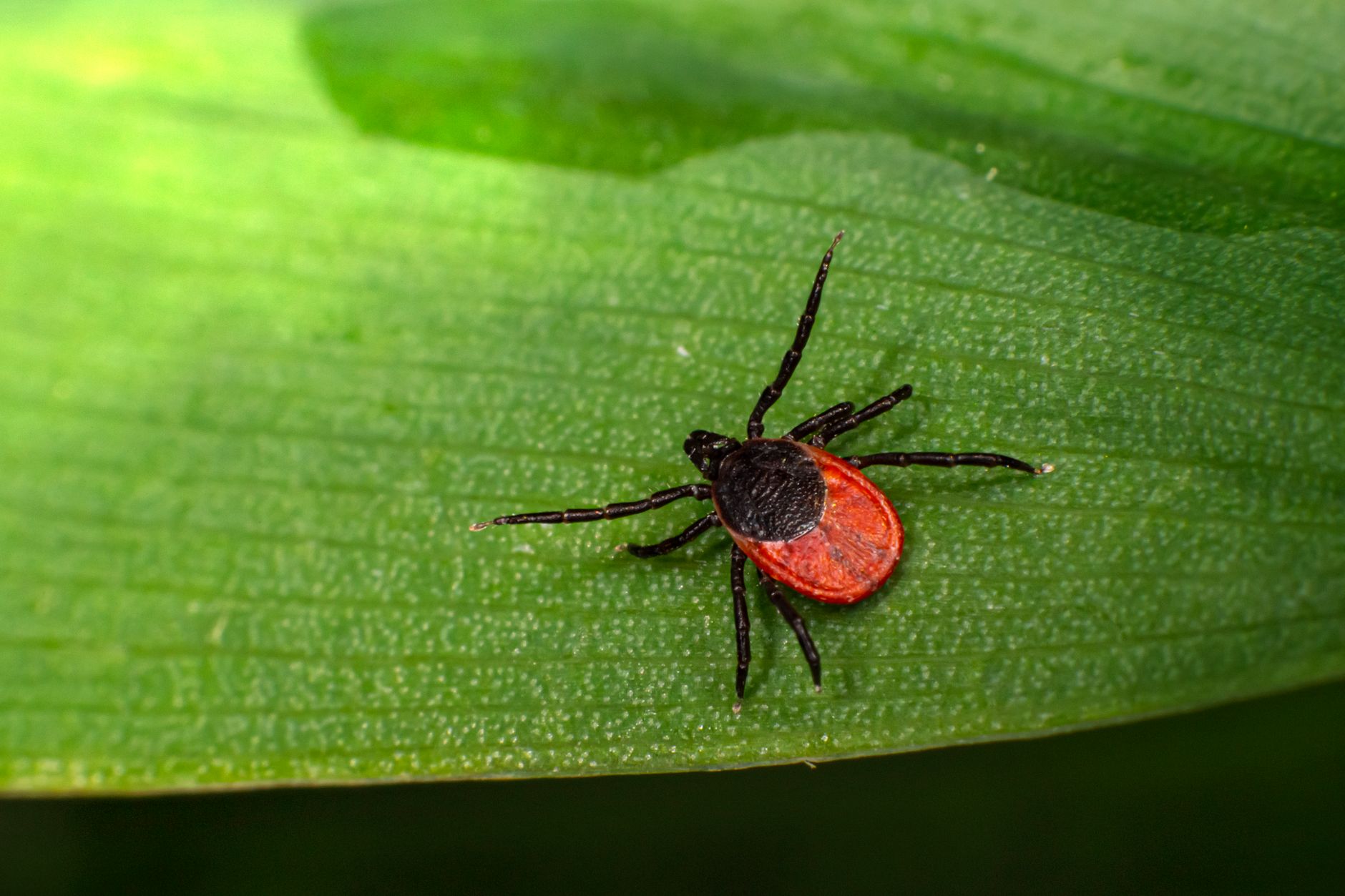
For low-to-the-ground breeds like Frenchies that spend time happily rolling in the grass, this wiping routine serves a vital double purpose. It provides a distraction-free opportunity to conduct an essential daily tick check while simultaneously cleaning the coat. Never use human cosmetic wipes on a dog, as harsh artificial perfumes will trigger massive, painful contact allergies.
What To Do Next
Watching a faithful companion battle relentless seasonal allergies is incredibly frustrating, but lasting relief is absolutely within reach today. Stop relying on miserable plastic cones of shame and start actively attacking the root cause of the itch with modern veterinary medicine. By combining excellent environmental hygiene with professional medical guidance, the entire household can finally get some restful sleep.
Here are two simple, immediate steps to take today to stop the scratching:
- Start a Front-Door Wiping Station: Place a fresh pack of hypoallergenic, pet-safe grooming wipes and a small, soft towel directly by the main entrance. Make thoroughly wiping the paws, legs, and belly a mandatory, non-negotiable toll for coming back inside after every single walk.
- Book a Targeted Allergy Consultation: Call the local veterinary clinic and explicitly ask to discuss Cytopoint vs Apoquel for the dog's unique lifestyle. Arrive at the appointment fully prepared with a written timeline detailing exactly when the excessive licking started and which specific body parts are affected.
Disclaimer: The content on Snoutbit.com is for informational and educational purposes only and is not intended to replace professional veterinary advice, diagnosis, or treatment. Always consult with your veterinarian before making significant changes to your dog’s diet, exercise routine, or health regimen.