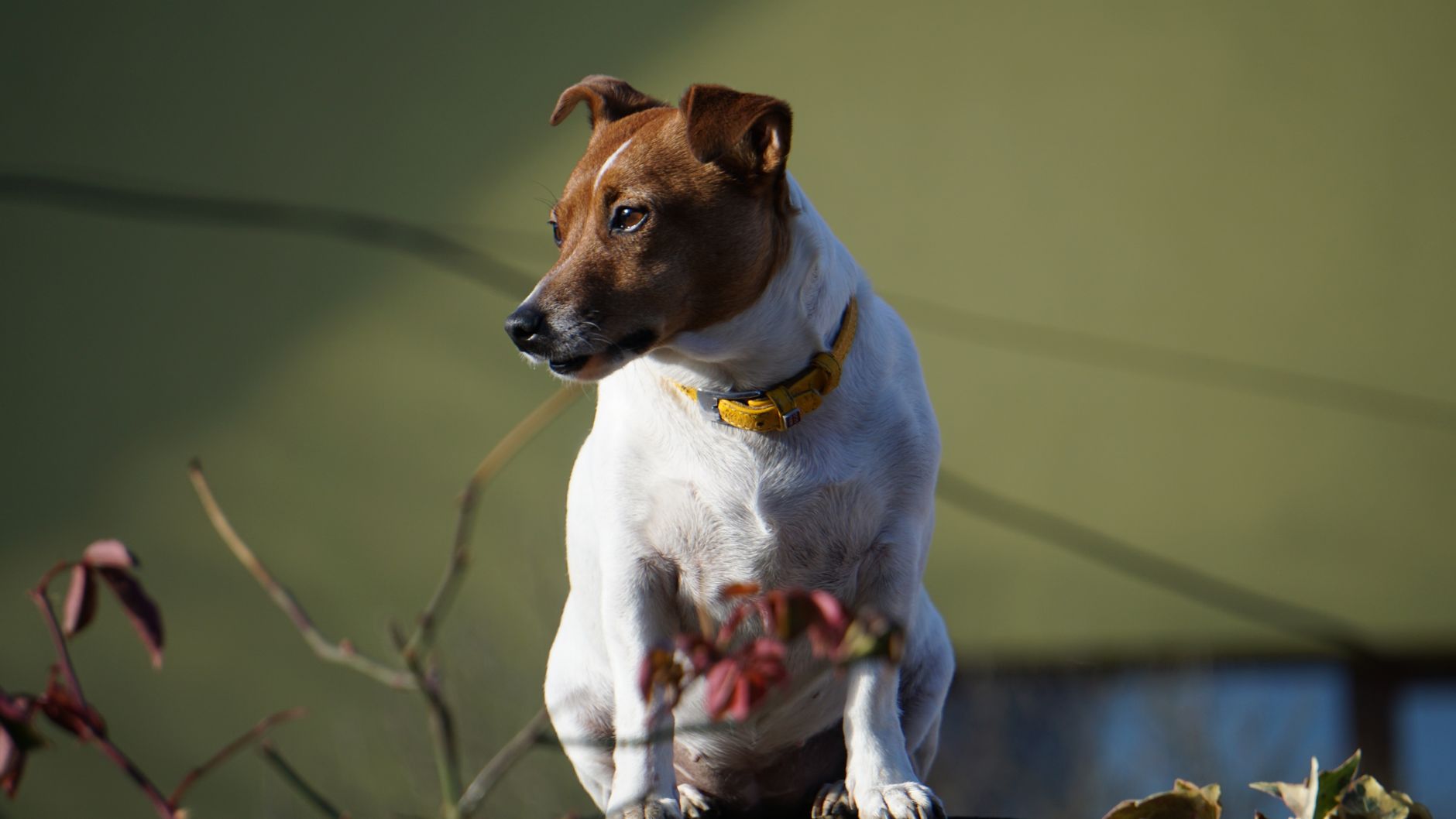
Jack Russell Terrier Health Issues: 10 Common Problems Every Owner Should Know
Introduction
Jack Russell Terriers have a well-earned reputation for being tough, energetic, and surprisingly long-lived. According to Canine Journal, these little dynamos often power through life with enviable vigor. But that hardy exterior can mask real vulnerabilities. While Jack Russells are generally healthy dogs, they are not immune to breed-specific risks—especially joint, eye, and neurological conditions (Canine Journal). Knowing what to watch for can mean the difference between a minor issue and a major crisis.
In this article, we'll walk through the 10 most common Jack Russell Terrier health issues, from inherited eye disorders to hormonal imbalances. We'll also cover how to recognize symptoms early, what treatment options exist, and how to plan ahead for the vet bills that can add up quickly. Whether you're a seasoned owner or bringing home your first JRT, this guide will help you keep your spirited companion healthy and happy for years to come.
The 10 Most Common Jack Russell Terrier Health Issues
1. Primary Lens Luxation (PLL)
Primary Lens Luxation is an inherited eye condition where the lens shifts out of its normal position (Canine Journal). This is considered an emergency and can lead to severe pain and permanent blindness if not treated quickly. If you notice your Jack Russell squinting, pawing at their eye, or showing sudden vision changes, seek veterinary care immediately.
2. Progressive Retinal Atrophy (PRA)
PRA is a group of genetic eye disorders that cause gradual vision loss over time, starting with night blindness and progressing to full blindness (Canine Journal). There is no cure for PRA, but the condition is painless. Dogs with PRA can still live full lives with some adjustments to their environment.
3. Hereditary Ataxia
Hereditary ataxia (spinocerebellar ataxia) is a genetic neurological condition that affects coordination, balance, and movement in Jack Russell Terriers (Canine Journal). Changes in gait typically begin at 2–9 months of age. Early signs may include wobbling, stumbling, or difficulty navigating stairs.
4. Patellar Luxation
Patellar luxation (slipping kneecap) is one of the most common joint problems in small dogs. Because Jack Russells are constantly running, jumping, and pivoting, this condition can worsen without intervention (Canine Journal). You might notice your dog skipping or hopping on one hind leg. If you suspect joint pain, learn more in Is Your Dog Hiding Joint Pain?.
5. Epilepsy
Epilepsy is a neurological condition that causes recurrent seizures and in many cases is inherited (Canine Journal). Epilepsy cannot be cured but can often be controlled with medication. If your dog has a seizure, contact your vet to discuss management options.
6. Hyperuricosuria
Hyperuricosuria is a genetic condition that causes elevated uric acid levels in the urine, increasing the risk of forming bladder or kidney stones (Canine Journal). Symptoms may include straining to urinate, blood in urine, or frequent urinary tract infections. Diet plays a key role in management; see The Ultimate Pantry Guide: Can Dogs Eat Cheese, Peanut Butter, Or Bread? for safe feeding tips.
7. Deafness
Deafness in Jack Russell Terriers is more commonly seen in dogs with a high proportion of white in their coat and is linked to genetic factors that affect hearing (Canine Journal). While deafness itself isn't painful, it requires adjustments in training and safety.
8. Cataracts
Cataracts occur when the lens of the eye becomes cloudy, interfering with the dog's ability to see clearly (Canine Journal). Cataracts can be treated with surgery to restore vision, which is often highly successful in otherwise healthy dogs. Post-surgical care may require a recovery suit; read Stop The Cone Of Shame Trauma for tips.
9. Cushing's Disease
Cushing's disease (hyperadrenocorticism) is a hormonal disorder that typically affects older dogs and occurs when the body produces too much cortisol (Canine Journal). Symptoms include increased thirst, urination, and appetite. If you notice your dog breathing fast or panting excessively, see The Silent Alarm: Why Is My Dog Breathing Fast.
10. Degenerative Myelopathy (DM)
Degenerative Myelopathy is a progressive disease of the spinal cord that affects mobility over time, typically appears in older dogs, begins with subtle weakness in the hind legs, and can progress to paralysis (Canine Journal). DM is not usually painful, but it does worsen over time.
Recognizing Symptoms: When to See a Vet
Knowing when to call your vet can make a huge difference in outcomes for these conditions. For Primary Lens Luxation, time is of the essence—it's an emergency that can cause blindness if not treated quickly (Canine Journal). Any sudden eye pain, cloudiness, or vision loss warrants an immediate vet visit.
For Progressive Retinal Atrophy, the first sign is often night blindness, which may look like reluctance to go outside after dark or bumping into furniture. While PRA is painless, an early diagnosis helps you prepare your home and your dog for gradual vision loss.
Hereditary ataxia typically shows up between 2 and 9 months of age, so watch for changes in gait, such as wobbling or difficulty with stairs. Patellar luxation may cause intermittent skipping or hopping on a hind leg, especially after intense play. Epilepsy presents as recurrent seizures—if you see convulsions, collapse, or unusual twitching, seek veterinary care. Hyperuricosuria may cause straining to urinate or blood in urine, which can indicate stones.
Deafness might be noticed if your dog doesn't respond to sounds or seems startled when approached. Cataracts appear as cloudy eyes and gradual vision loss. Cushing's disease often shows up in older dogs as increased thirst, urination, and appetite. Degenerative Myelopathy begins with subtle hind leg weakness that progresses over time. In all cases, early intervention gives your Jack Russell the best chance at a good quality of life.
Treatment and Management Options
While some Jack Russell health issues can be cured, many require ongoing management. Primary Lens Luxation is a surgical emergency; prompt treatment can save vision and relieve pain (Canine Journal). Progressive Retinal Atrophy has no cure, but because it is painless, management focuses on helping your dog adapt to vision loss with consistency and safety measures.
Hereditary ataxia is a genetic condition with no cure; treatment is supportive and aimed at maintaining mobility and comfort as long as possible. Patellar luxation may be managed with rest, weight management, and in some cases surgery—especially if it worsens due to the breed's active lifestyle. Epilepsy cannot be cured but can often be controlled with medication, which can reduce the frequency and severity of seizures.
Hyperuricosuria may be managed with diet changes and medication to reduce uric acid levels and prevent stone formation. Deafness has no cure, but owners can use hand signals and vibration-based training. Cataracts can be treated with surgery to restore vision, which is often highly successful in otherwise healthy dogs. Cushing's disease is typically managed with medication to control cortisol production. Degenerative Myelopathy has no cure; management includes physical therapy, mobility aids, and keeping your dog comfortable, as the condition is not usually painful. Always work closely with your veterinarian to tailor a plan for your individual dog.
Preventive Care: 6 Simple Ways to Keep Your Jack Russell Healthy
While genetics play a role in many of these conditions, there are steps you can take to support your Jack Russell's overall health and catch problems early.
Choose a reputable breeder. Since conditions like PLL, PRA, hereditary ataxia, epilepsy, hyperuricosuria, and deafness are inherited, ask breeders about health testing and screening of parent dogs.
Schedule regular vet checkups. Annual exams can help detect early signs of eye, joint, and neurological issues before they become severe.
Maintain a healthy weight. Extra pounds put added stress on joints, which is especially important for dogs prone to patellar luxation.
Provide safe exercise. Jack Russells need lots of activity, but avoid high-impact jumps that can worsen joint problems. Moderate, consistent exercise is best. Also be mindful of heat; see 15 Minutes to Tragedy: The Hidden Signs of Heat Stroke in Dogs.
Watch for subtle changes. Keep an eye out for changes in gait, vision, thirst, urination, or behavior. Early reporting to your vet can lead to faster intervention. If your dog is snoring or struggling to breathe, check Is Your Dog Snoring Or Struggling?.
Plan for emergencies. Since vet bills for Jack Russell health issues can add up quickly, planning ahead with savings or pet insurance is recommended (Canine Journal).
Planning Ahead for Jack Russell Terrier Vet Bills
Jack Russells are generally healthy dogs, but they are not immune to breed-specific risks, especially joint, eye, and neurological conditions (Canine Journal). When those risks become reality, the costs can escalate quickly. Emergency surgery for Primary Lens Luxation, cataract surgery, ongoing medication for epilepsy or Cushing's disease, and management of degenerative myelopathy all represent significant financial commitments.
According to Canine Journal, vet bills for Jack Russell health issues can add up quickly, so planning ahead with savings or pet insurance is recommended. Setting aside a dedicated pet emergency fund or purchasing a comprehensive insurance policy can ease the burden and ensure you never have to choose between your dog's health and your wallet. Talk to your vet about typical costs for the conditions most common in the breed, and consider pet insurance early before any conditions become pre-existing. Being financially prepared is one of the most responsible things you can do as a Jack Russell owner.
Frequently Asked Questions
Are Jack Russell Terriers prone to health problems? Like all breeds, Jack Russells have some inherited risks, particularly eye, joint, and neurological conditions. However, many live long, healthy lives with proper care.
What is the most serious Jack Russell Terrier health issue? Primary Lens Luxation is an emergency that can cause blindness if not treated immediately. Any sudden eye changes require urgent veterinary attention.
Can I prevent these conditions? You can't prevent all genetic conditions, but choosing a reputable breeder, maintaining a healthy weight, and scheduling regular vet checkups can reduce risks and catch problems early.
How can I afford vet bills for these conditions? Planning ahead with a pet emergency fund or pet insurance is recommended, as costs for surgery and ongoing medication can add up quickly (Canine Journal).
Final Thoughts
Jack Russell Terriers are tough, energetic, and surprisingly long-lived, but they do have specific weak points. By understanding the 10 most common health issues—from PLL and PRA to patellar luxation, epilepsy, and Cushing's disease—you can recognize symptoms early and seek timely veterinary care. While some conditions are manageable rather than curable, many can be treated successfully, and preventive care goes a long way. With a little planning and attention, your Jack Russell can enjoy a long, happy, and active life.
Source: Canine Journal


