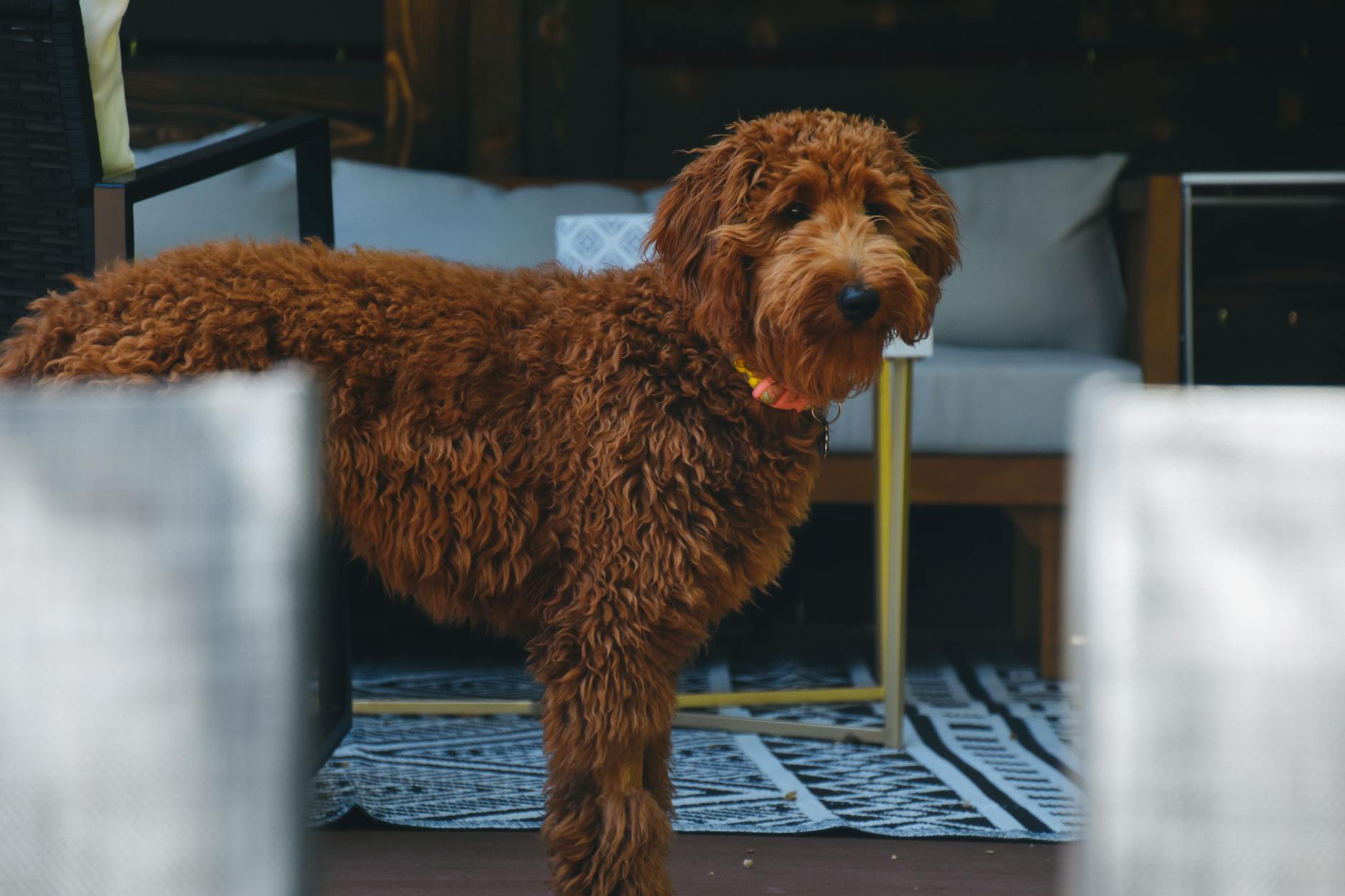
Stop The Cone Of Shame Trauma: Why A Dog Recovery Suit After Surgery Is Actually Mandatory
The hard plastic cone of shame causes immediate, highly visible misery the second a dog wakes up from veterinary anesthesia. They blindly crash into doorframes, violently spill their water bowls, and experience terrifying acoustic echoes that skyrocket their stress levels. The definitive solution to peaceful post-op healing is instantly swapping that medieval plastic lampshade for a breathable dog recovery suit after surgery. These medical-grade onesies completely block access to fresh stitches while allowing the dog to sleep, eat, and navigate the house in total, unhindered comfort.
Why Is The Traditional Cone Of Shame Dangerous?
Hard plastic Elizabethan collars severely restrict a dog's peripheral vision, turning confident companions into fearful, highly reactive animals in their own living rooms. A stressed dog pants heavily, raises systemic cortisol levels, and frequently attempts to rip the plastic off with their hind legs. This frantic thrashing often results in torn sutures, emergency clinical visits, and massive secondary veterinary bills.
How Do Plastic Cones Affect Canine Anxiety?
Dogs rely heavily on their facial whiskers and spatial awareness to feel entirely secure in their physical environment. A rigid collar completely removes this vital sensory input, leading directly to severe behavioral regression, nocturnal pacing, and aggressive resource guarding. When the brain cannot map the physical space around the body, the central nervous system remains trapped in a constant "fight or flight" response.
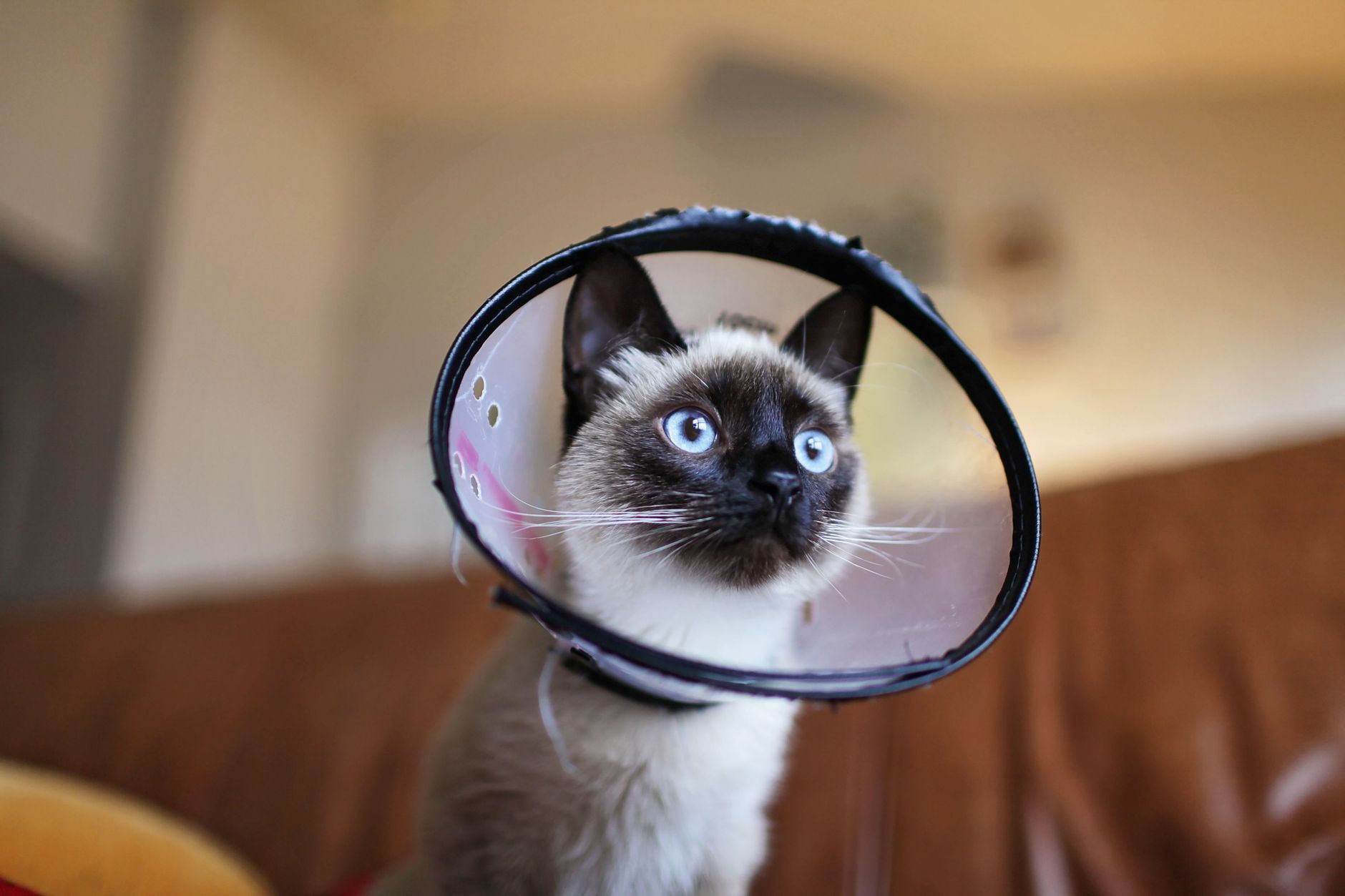
🚨 Vet Fact: The acoustic amplification caused by a hard plastic cone makes standard household noises, like a dropping set of keys, sound like a terrifying physical threat to the highly sensitive canine ear.
What Are The Hidden Benefits Of A Dog Recovery Suit After Surgery?
Advanced veterinary science reveals that proper post-operative care requires significantly more than simply blocking the dog's mouth from reaching the wound. Thermal regulation is a massive, frequently ignored complication, as dogs lose significant body heat during major surgical procedures. A snug, high-quality recovery suit acts as a therapeutic swaddle, trapping vital body heat and comforting low-body-fat breeds like Greyhounds or active Staffies.
Another elite, highly advanced clinical trick involves utilizing the suit for strict, hygienic exudate monitoring. Owners can place a standard human sanitary pad directly inside the suit’s internal abdominal pocket, hovering exactly over the fresh incision. This brilliant hack allows for the daily monitoring of surgical drainage without constantly peeling the entire tight garment on and off a highly painful dog.
Can Recovery Suits Stop Incision Licking Better Than Cones?
Cones only block the mouth, leaving the fresh incision completely vulnerable to the dog's scratching hind legs or dirty household floor surfaces. A behavioral consultation recently involved a frantic Blue Heeler who violently destroyed living room drywall trying to remove his plastic collar after a routine neuter. The exact second the owner transitioned the exhausted Heeler into a soft, spandex-blend surgical suit, the frantic pacing stopped entirely, and the dog slept for twelve uninterrupted hours.

🐾 Snoutbit Pro-Tip: Buy exactly two dog recovery suits before the scheduled surgery date ever arrives. Having a backup allows one suit to be thrown immediately into the washing machine to remove biological fluids while the dog remains safely protected in the second.
How Does Climate Impact Post-Op Dog Gear?
Local weather extremes heavily dictate exactly how a surgical incision heals during the crucial, highly vulnerable fourteen-day recovery window. During a sweltering Australian summer or a heavily humid Florida August, a plastic cone creates a suffocating "greenhouse effect" around the dog's head and neck. This trapped, stagnant moisture aggressively breeds severe yeast infections in the ear canals and painful, weeping hot spots directly under the chin.
A breathable, cotton-blend dog recovery suit wicks away environmental sweat and allows fresh air to circulate directly over the healing wound. While rugged, outdoor-driven breeds like Kelpies normally handle extreme heat safely, post-op temperature management requires specialized, highly breathable fabrics to prevent dangerous internal fevers. Keeping the dog's core temperature perfectly stabilized ensures the immune system focuses entirely on tissue repair rather than environmental survival.
Do Dogs Still Need Tick Prevention In A Suit?
Even while recovering strictly indoors, the threat of severe vector-borne disease never completely disappears for a vulnerable canine. During peak coastal tick seasons, dogs venturing out for brief, mandatory bathroom breaks remain highly susceptible to parasites hiding in the grass. Ensure the purchased recovery suit is brightly colored, making it significantly easier for handlers to spot crawling paralysis ticks before they migrate deeply under the protective fabric.
🚨 Vet Fact: A dog recovery suit gently compresses the canine torso, biologically mimicking the deeply calming neurological effects of a weighted anxiety blanket. This gentle, sustained physical pressure significantly lowers the resting heart rate and naturally decreases post-operative pain perception.
How Do Recovery Suits Protect Dogs In Multi-Pet Households?
In a household with multiple dogs, the recovering patient is constantly at risk from well-meaning but highly dangerous canine siblings. Littermates or bonded pairs possess a deeply ingrained biological instinct to aggressively groom and clean each other's fresh wounds. A plastic cone does absolutely nothing to prevent a curious French Bulldog from obsessively licking the fresh abdominal stitches of their sleeping housemate.
The full-body coverage of a dog recovery suit acts as an impenetrable physical barrier against these dangerous, bacteria-filled canine tongues. Furthermore, the unfamiliar visual presence of the clothing often serves as a highly effective behavioral deterrent to other pets. Hyperactive younger dogs frequently give the suited dog significantly more physical space, intuitively understanding that their normally playful housemate is currently in a vulnerable, resting state.
How To Wash A Surgical Suit Safely?
Maintaining absolute surgical sterility requires washing the garment correctly to prevent severe, secondary skin irritation. Heavy chemical detergents and heavily perfumed fabric softeners easily transfer from the fabric directly into the open surgical wound, causing massive contact dermatitis.
- Wash the suit exclusively in hot water to actively kill dangerous bacterial blooms.
- Use a completely unscented, hypoallergenic baby detergent to protect the compromised skin barrier.
- Air-dry the garment in direct sunlight whenever possible to utilize natural ultraviolet light sterilization.
🐾 Snoutbit Pro-Tip: Look specifically for recovery suits featuring a rear-fastening design with built-in bathroom flaps. Rolling the fabric forward and snapping it securely to the dog's chest allows them to use the bathroom outside without entirely removing the tight garment.
How To Choose The Right Surgical Onesie For Your Dog?
Sizing is the absolute most critical factor when selecting a surgical onesie for a recovering, highly stressed canine. A suit that is entirely too loose allows the dog to snake their long snout inside the neck opening to aggressively chew the hidden stitches. Conversely, a suit that is entirely too tight heavily restricts healthy blood flow and dangerously compresses the chest cavity, restricting deep, restorative breaths.
Always utilize a soft measuring tape to capture the exact distance from the base of the dog's neck directly to the base of their tail.
What Is The Best Fabric For Healing Incisions?
Synthetic, non-breathable polyester completely traps dangerous bacteria directly against a fresh, weeping incision line, guaranteeing a highly painful post-op infection. Owners must exclusively seek out high-grade, highly breathable cotton woven with a very small percentage of elastane for safe, hygienic stretching.

A recent veterinary evaluation featured a senior Golden Retriever whose massive abdominal incision healed thirty percent faster in a cotton suit compared to previous surgeries. The soft fabric entirely prevented the microscopic, daily abrasions typically caused by the hard, rubbing edge of a traditional inflatable donut collar. Providing medical-grade softness prevents the dog from feeling the terrifying sensation of stitches catching on the living room carpet.
What To Do Next
Protecting a fresh surgical wound does not require subjecting a beloved canine companion to weeks of intense psychological torture and physical discomfort. By upgrading to a medical-grade recovery suit, pet parents actively accelerate tissue healing and eliminate the chaotic destruction caused by plastic cones.
Here are two simple, immediate steps to take today to prepare for a successful surgery:
- Measure The Topline Today: Grab a flexible measuring tape right now and measure the dog from the collar line to the base of the tail to guarantee accurate online ordering.
- Start The Desensitization Process: Order the suit a full week early and place it on the dog for exactly ten minutes before dinner to build a highly positive, food-based association with the new garment.
Disclaimer: The content on Snoutbit.com is for informational and educational purposes only and is not intended to replace professional veterinary advice, diagnosis, or treatment. Always consult with your veterinarian before making significant changes to your dog’s diet, exercise routine, or health regimen.