
Is Your Dog Grazing Like A Cow? The Shocking Truth Behind Why Do Dogs Eat Grass!
Watching a beloved Golden Retriever aggressively rip up chunks of the back lawn is incredibly confusing and highly frustrating. The mind instantly races, wondering if the dog is starving, lacking vital nutrients, or trying to induce vomiting to clear a dangerous intestinal blockage. The definitive answer to why do dogs eat grass is surprisingly simple: they desperately need immediate dietary roughage to soothe undiagnosed gastric inflammation. Dogs instinctively consume fibrous plant matter to manually sweep excessive bile, parasites, and trapped gas from their highly inflamed digestive tract. The absolute biggest takeaway is to never ignore frantic grazing; upgrading to a highly digestible, fiber-rich diet instantly stops this desperate lawn-mowing behavior.
Why Do Dogs Eat Grass Frantically?
Canine grazing generally falls into two highly distinct behavioral categories: casual nibbling and frantic, desperate consumption. Casual grazers carefully select specific, broad-leaf blades of grass, chewing them slowly because they genuinely enjoy the sweet, earthy taste. Frantic grazers act completely differently, frantically ripping up massive mouthfuls of dirt and roots without even chewing before swallowing.

This urgent, frantic consumption is a massive biological red flag indicating acute gastrointestinal distress. The dog is experiencing severe, burning acid reflux or painful abdominal cramping and relies entirely on raw plant fiber to physically scrub the stomach lining. Understanding this key distinction rapidly dictates whether a dog simply enjoys a grassy snack or requires immediate medical intervention.
🚨 Vet Fact: Less than 25% of dogs actually vomit after consuming grass. The behavior is biologically driven by an ancestral need to increase intestinal motility and physically sweep out parasites, not to forcefully empty the stomach contents.
Does Extreme Climate Cause Canine Grazing?
Local environmental extremes heavily dictate exactly how a canine body processes daily food and maintains internal hydration. During the brutal, sweltering heat of an Australian outback summer or a highly humid US August, a dog's physical digestion slows to a dangerous crawl. Intense thermal stress forces the canine body to divert critical blood flow entirely away from the stomach, creating a highly painful condition called gastric stasis.
When a dog's stomach stops physically contracting due to severe heat exhaustion, food sits like a heavy brick, fermenting and producing toxic gas. The dog instinctively turns to eating large volumes of grass because the dense plant fibers manually trigger stomach contractions. Ensuring highly active working breeds like Blue Heelers remain properly cooled actively prevents the painful gastric stasis that triggers emergency lawn grazing.
Is Eating Grass A Sign Of Nutritional Deficiency?
Standard commercial pet feed frequently lacks the heavy, complex dietary roughage required to maintain a flawless canine gut microbiome. Heavily processed dry kibble is extruded at massive temperatures, completely destroying the natural plant fibers found in raw, ancestral diets. When a dog experiences "microbiome starvation," they instinctively seek out wild grasses to physically replenish their severely depleted internal flora.
Dogs specifically target distinct species of flora, such as couch grass in Australia or Bermuda grass in the US, because the broad, textured leaves act as physical scrubbers. These dense blades safely drag along the intestinal wall, clearing away trapped mucus and highly inflammatory bacterial buildup.
- Provide steamed green beans or pureed pumpkin directly in the daily food bowl to safely satisfy this intense biological craving for fiber.
- Transitioning to a fresh, gently cooked diet completely eliminates the systemic inflammation caused by highly processed, low-fiber kibbles.
- A premium, multi-strain canine probiotic rapidly restores the gut bacteria, completely stopping the obsessive need to seek out dirty yard grass.
🐾 Snoutbit Pro-Tip: Never let a dog graze on front lawns near busy neighborhood intersections or public parks. These specific patches of grass act as toxic sponges, absorbing massive amounts of dangerous vehicle exhaust, chemical fertilizers, and lethal rodenticides.
Can Tick Preventatives Cause Stomach Upset?
Heavy coastal tick seasons frequently force dedicated owners to administer intense, highly powerful oral preventatives to protect energetic companions. While absolutely necessary to prevent debilitating vector-borne diseases, these potent chemical chewables frequently cause hidden, temporary gastric inflammation. Administering a monthly preventative on a completely empty stomach is a guaranteed recipe for severe nausea and immediate, frantic grass eating.

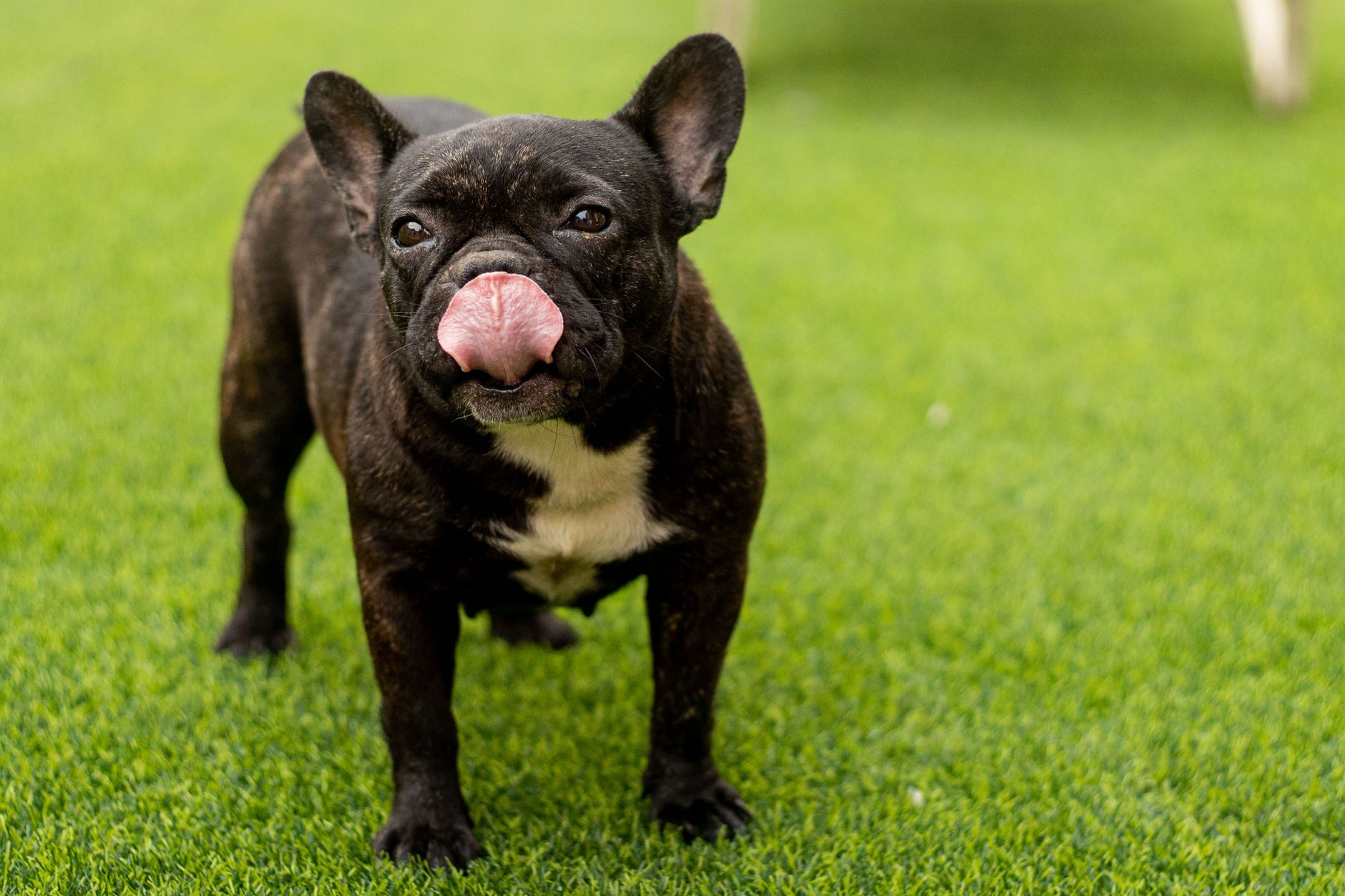
Consider a highly realistic case involving a robust Frenchie living in humid Florida that began obsessively eating St. Augustine grass every single month. The exhausted owners finally realized the behavior perfectly aligned with the exact morning the dog received their monthly oral flea and tick chew. By simply burying the preventative deep inside a rich, high-fiber meal of wet food and steamed broccoli, the monthly nausea and subsequent grazing vanished entirely.
What Are The Hidden Dangers Of Canine Grazing?
While the grass itself is entirely non-toxic, the surrounding suburban environment presents massive, unseen chemical dangers for a grazing canine. Neighborhood lawns are frequently drenched in highly concentrated, carcinogenic herbicides and heavy-duty chemical fertilizers designed to kill weeds. When a dog ingests chemically treated grass, these harsh toxins absorb directly into the bloodstream, triggering severe neurological tremors and catastrophic liver damage.
Furthermore, public dog parks present a massive biological hazard due to the heavy concentration of canine fecal matter hidden deep in the turf. Grass acts as a perfect, damp incubator for microscopic roundworm eggs and highly contagious giardia cysts. A dog attempting to soothe a mild stomach ache by eating park grass frequently ingests a massive parasitic load, significantly worsening their gastrointestinal crisis.
Are Foxtails And Dry Grasses Lethal?
Here is a highly advanced, frequently overlooked danger regarding exactly which type of grass a dog is attempting to consume. Fresh, green spring grass poses minimal mechanical threat, but dry, late-summer grass seeds—specifically foxtails and grass awns—are incredibly lethal. These barbed seed heads are biologically designed to burrow aggressively forward into soil, and they do the exact same thing inside a dog's body.
An energetic Australian Kelpie working the dry scrubland recently inhaled a tiny, dry grass burr while sniffing near the fence line. The barbed seed migrated straight through the nasal cavity and lodged deep inside the lung, requiring incredibly expensive, highly invasive thoracic surgery to remove. Never allow a dog to blindly root around or consume dry, yellowed brush during the late summer months.
🚨 Vet Fact: Sudden, frantic consumption of dirt, leaves, and grass is a classic clinical sign of canine pica. This dangerous neurological compulsion frequently points to severe exocrine pancreatic insufficiency (EPI) or hidden malabsorption issues requiring immediate blood panels.
Do Anxious Dogs Eat Grass Out Of Boredom?
Not all grazing behaviors stem directly from a painful, physical gastrointestinal crisis. Highly intelligent, high-drive breeds frequently utilize grass eating as a powerful psychological displacement behavior to cope with severe environmental stress. When a muscular Staffy is left completely alone in a barren backyard for ten hours, ripping up the lawn provides immense, soothing mental stimulation.
The physical act of meticulously plucking individual blades of grass releases a massive rush of calming endorphins directly into the canine brain. This repetitive motion mimics the highly soothing effects of chewing on a raw bone or dismantling a stuffed toy.
- Treat yard-based boredom by hiding high-value treats around the patio, forcing the dog to use their nose rather than destroying the landscaping.
- Provide durable, heavy-duty chew toys heavily smeared with frozen yogurt to successfully redirect the need to physically rip and shred.
- Ensure high-energy breeds receive rigorous cardiovascular exercise before being left alone to completely exhaust their anxious, pacing minds.
How To Safely Redirect Grass Eating Behaviors?
Forcing a dog away from a patch of grass using a harsh leash correction completely fails to address the underlying biological or psychological need. If the dog is experiencing severe acid reflux, yanking them away from their only source of relief actively increases their physical panic. The ultimate solution requires actively managing the surrounding environment and replacing the dangerous yard grass with a highly safe, indoor alternative.
Growing a small container of specialized, organic "pet grass" directly on the kitchen windowsill provides a completely chemical-free grazing station. This specific blend of wheatgrass and oat seeds digests incredibly easily and safely satisfies the canine biological urge to forage. When the dog attempts to eat the backyard lawn, calmly recall them inside and offer the safe, organic wheatgrass instead.
What To Do Next
Decoding the mystery of a grazing canine requires abandoning outdated myths and meticulously analyzing the dog's daily dietary fiber intake. By proactively supporting the fragile gut microbiome and completely eliminating outdoor chemical exposure, households can permanently protect their dogs from dangerous gastrointestinal distress.
Here are two simple, immediate steps to take today to stop the lawn mowing:
- Audit The Daily Fiber Intake: Add exactly one tablespoon of plain, unsweetened canned pumpkin puree or steamed green beans to the dog's dinner bowl tonight. This massive injection of natural, highly digestible fiber immediately soothes an inflamed stomach lining and stops the biological craving for roughage.
- Clear The Backyard Hazards: Walk the perimeter of the backyard this afternoon and physically uproot any dry, barbed seed heads or toxic weeds growing near the fence line. Eliminating access to dangerous foxtails and chemically treated patches guarantees the yard remains a completely safe zone for active play.
Disclaimer: The content on Snoutbit.com is for informational and educational purposes only and is not intended to replace professional veterinary advice, diagnosis, or treatment. Always consult with your veterinarian before making significant changes to your dog’s diet, exercise routine, or health regimen.