Can Dogs Eat Raisins? The Silent Pantry Toxin Explained
Dropping a sweet snack on the kitchen floor usually ends with a happy dog and a clean tile. However, when that dropped snack is a raisin, the situation instantly escalates from a minor mess into a massive, terrifying medical emergency. The anxiety of watching a beloved pet consume a known toxin creates crippling stress for any dedicated owner.
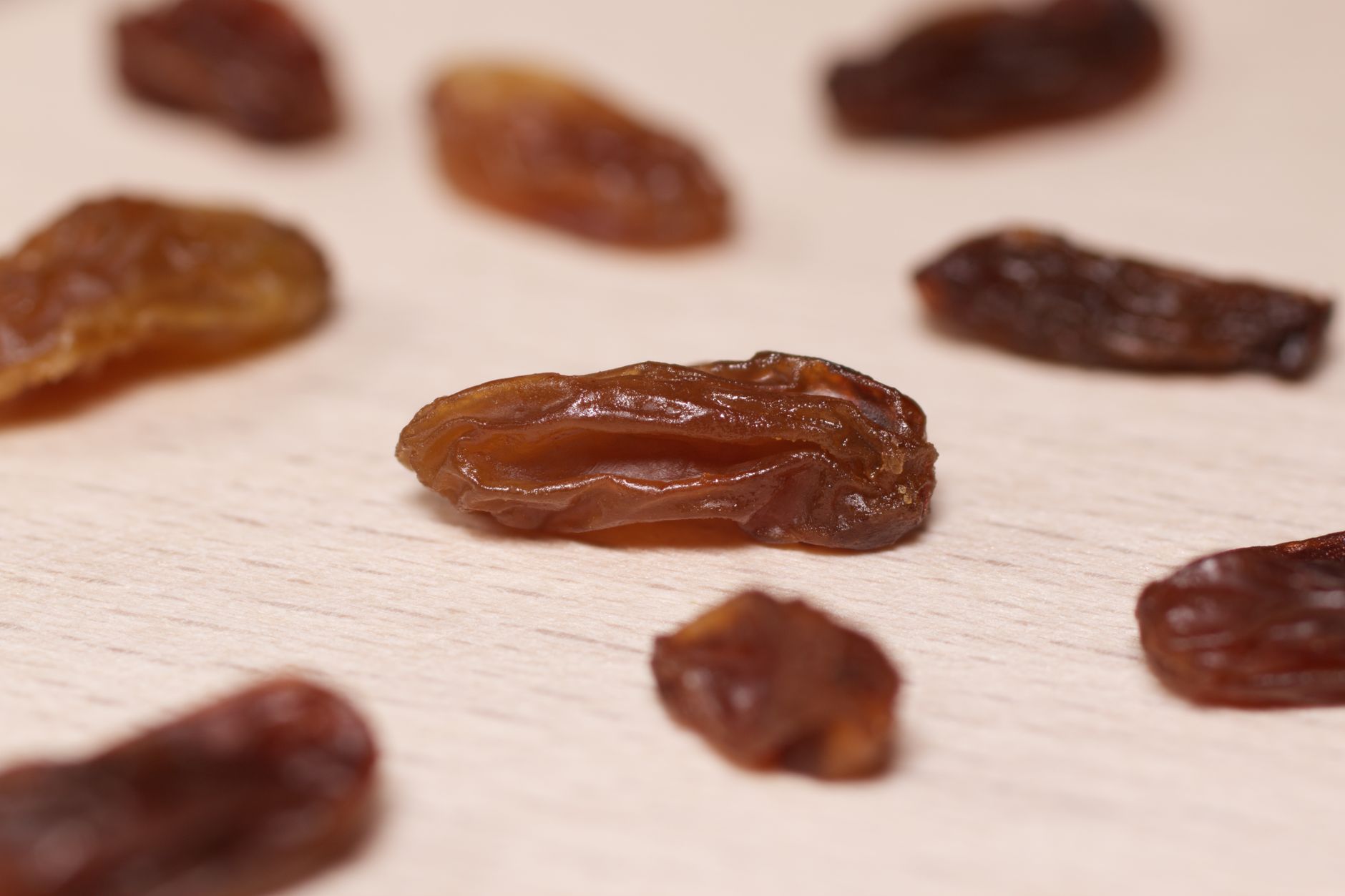
The absolute, non-negotiable truth is that dogs cannot eat raisins. Consuming even a single raisin can trigger sudden, catastrophic acute kidney failure. Preventing exposure and knowing exactly how to execute an emergency veterinary response saves canine lives and prevents emotionally devastating medical outcomes.
Why are raisins so toxic to a dog's body?
For decades, the exact biological mechanism behind grape and raisin toxicity was a complete medical mystery within the veterinary community. Recent scientific breakthroughs finally pinpointed tartaric acid and its salt, potassium bitartrate, as the highly lethal culprits. Dogs completely lack the specific digestive enzymes required to safely metabolise this acidic compound.
When a dog eats a raisin, the highly concentrated tartaric acid absorbs rapidly into the bloodstream and directly attacks the renal system. This acid effectively strangles the kidneys, causing rapid cellular death within the vital filtration tubes. As renal tissue dies, the kidneys completely lose their ability to filter natural blood toxins, leading to a fatal buildup of waste products known as uraemia.
How many raisins will kill a dog?
A massive, highly dangerous misconception is that canine toxicity perfectly follows a strict weight-based formula. Raisin toxicity is completely idiosyncratic, meaning it relies entirely on a genetic enzyme lottery rather than the size of the animal. Predicting the exact toxic threshold for a specific pet is scientifically impossible.
One robust dog might consume a handful of sultanas and experience nothing more than mild stomach cramping. Another dog of the exact same breed and weight could eat a single dropped raisin and suffer irreversible organ failure within forty-eight hours. Because there is absolutely no known safe dose, every single ingestion must be treated as a worst-case scenario.
🚨 Vet Fact: The concentration of tartaric acid varies wildly between different batches of grapes and raisins, heavily dependent on the soil composition where the fruit was grown. This natural variance makes predicting the severity of a poisoning event completely impossible without clinical blood testing.
What are the exact symptoms of raisin poisoning?
Because the cellular damage happens microscopically within the kidneys, the most severe symptoms are often delayed. The dog will typically begin showing mild gastrointestinal distress within six to twelve hours of consuming the dried fruit. Owners must watch meticulously for these undeniable, physical red flags that signal a rapidly declining renal system:
- Severe Vomiting: Repeatedly bringing up food, bile, or water, often containing chunks of undigested raisins.
- Profound Lethargy: A previously high-energy dog will suddenly refuse to get off the bed or stand up for a walk.
- Polydipsia and Polyuria: An initial, frantic increase in drinking water and urinating as the kidneys desperately attempt to flush the toxins.
- Anuria: The ultimate, most terrifying stage where the dog completely stops producing urine because the kidneys have physically shut down.
Do local Australian environments increase the toxicity risk?
Geography and extreme weather heavily dictate how a dog's internal organs handle sudden toxic stress. During the blazing heat of an Australian summer, dogs naturally lose massive amounts of cellular hydration simply through constant panting. Dehydration drastically concentrates the volume of tartaric acid circulating through the renal system, accelerating the deadly organ damage.

Consider a young, high-drive Kelpie joining a family for a rugged weekend bushwalk in the harsh outback heat. The owners accidentally dropped a handful of trail mix containing raisins, which the thirsty dog quickly inhaled off the dirt path. Because the dog was already slightly dehydrated from the sweltering climate, their kidneys were highly vulnerable, requiring a terrifying emergency evacuation to a regional clinic for immediate fluid resuscitation.
🐾 Snoutbit Pro-Tip: Never pack trail mix containing dried fruits, chocolate, or macadamia nuts into a hiking backpack when trekking with a dog. Keep all human hiking snacks tightly sealed in heavy-duty plastic containers to prevent a clever, hungry dog from tearing them open during a rest break.
What are the hidden sources of raisins in Aussie pantries?
Accidental ingestions rarely happen from a dog tearing into a plain cardboard box of dried fruit. The most common poisoning culprits are hidden ingredients baked deep into highly appealing human foods. Dogs possess incredible olfactory senses and will aggressively counter-surf to steal these sweet, calorie-dense baked goods.
Hot cross buns around the Easter holiday present a massive, annual hazard for Australian pet owners. A family in Sydney once left a tray of freshly baked hot cross buns cooling unattended on the kitchen counter. Their adolescent Blue Heeler consumed three entire buns, ingesting a massive, lethal payload of both highly toxic raisins and dangerous nutmeg.
The dog survived only because the owners witnessed the theft and rushed to the emergency vet within thirty minutes. Hidden pantry threats extend far beyond seasonal baked goods and require constant vigilance. Always audit the house for these highly dangerous, raisin-filled items:
- Commercial Muesli Bars: Often bound together with sticky raisin paste or studded with hidden currants.
- Breakfast Cereals: High-fibre bran flakes frequently contain massive quantities of sultanas.
- Fruit Cakes and Puddings: Dense holiday cakes are absolutely packed with dangerously concentrated dried fruits.
Are sultanas and currants just as dangerous?
Yes, all dried grape varieties pose the exact same deadly risk to canine health and renal function. Sultanas, currants, and standard raisins are simply different regional variations of dried grapes, often processed slightly differently. They all contain highly concentrated levels of tartaric acid that will swiftly overwhelm a canine renal system.

Do not assume that a lighter-coloured sultana is somehow less toxic than a dark, wrinkled raisin. The drying process aggressively removes water weight, meaning the toxic compounds in these fruits are massively concentrated compared to a fresh, juicy grape. A single dropped currant carries enough acidic payload to severely hospitalise a toy breed.
🚨 Vet Fact: A dog’s kidneys possess incredible compensatory mechanisms, meaning they can function seemingly normally until roughly seventy-five percent of the renal tissue is permanently destroyed. Never wait for a dog to look visibly sick before seeking veterinary help for a raisin ingestion.
What happens during emergency veterinary treatment?
If a dog consumes a raisin, absolutely no home remedies exist to reverse acute kidney failure. The medical response depends entirely on how quickly the dog arrives in a clinical setting. If the dried fruit was consumed within the last two hours, the veterinarian will immediately administer a specialised emetic drug to force violent vomiting.
Expelling the stomach contents completely prevents the toxic compounds from ever reaching the small intestine for absorption. Following the vomiting, the dog is typically given activated charcoal, a highly porous medical substance. This charcoal acts like a chemical sponge, actively binding to any lingering tartaric acid inside the digestive tract before it enters the bloodstream.
Why is intravenous fluid therapy so critical?
If the dog arrives hours after the ingestion, the treatment plan shifts immediately to intensive, critical care. The absolute cornerstone of treating tartaric acid toxicity is aggressive, continuous intravenous fluid diuresis. This process involves pumping massive volumes of sterile saline directly into the dog's veins for forty-eight to seventy-two hours.
Intravenous fluids forcefully flush the kidneys, heavily diluting the circulating toxins and manually forcing the organs to continue producing urine. Attempting to simply encourage a dog to drink extra water from a bowl at home will never replicate this life-saving medical flush. The dog requires constant hospitalisation and continuous blood monitoring to meticulously track kidney enzyme levels.
What are safe, healthy fruit alternatives for dogs?
Dogs frequently beg intensely when sweet treats are opened because the rich smell is highly appealing to their senses. Redirecting that begging behaviour requires offering a biologically appropriate, high-value alternative. Swapping dangerous dried fruits for safe, low-calorie produce entirely satisfies the dog's desire to participate in snack time.
- Fresh Blueberries: An excellent, highly crunchy snack packed with safe, brain-boosting antioxidants.
- Frozen Seedless Watermelon: Composed almost entirely of water, making it the ultimate hydrating treat during intense Aussie heatwaves.
- Steamed Carrots: A fantastic source of beta-carotene and dietary fibre that safely supports canine digestive health without spiking blood sugar.
🐾 Snoutbit Pro-Tip: Keep a dedicated, sealed container of pre-chopped, dog-safe vegetables in the refrigerator. When eating dangerous trail mix on the couch, toss the dog a safe carrot stick to completely redirect their attention away from the hazardous human food.
Can dogs eat dehydrated meats instead of fruit?
While dogs enjoy the sweet crunch of fresh fruit, they are biologically engineered carnivores that thrive on animal proteins. Swapping dangerous dried fruits for single-ingredient, dehydrated meats entirely satisfies a dog's intense chewing drive and flavour cravings. High-quality animal proteins provide essential amino acids that actually support healthy kidney function.
Air-dried beef liver, crunchy lamb lung, or kangaroo jerky offers incredible, biologically appropriate nutrition for active canines. These protein-dense treats are infinitely safer and heavily preferred by the canine palate over any plant-based snack. Reserving these high-value meat treats exclusively for training sessions builds massive obedience focus.
What To Do Next
- Conduct a Pantry Audit Today: Immediately check all human trail mixes, breakfast cereals, and baked goods for hidden raisins, sultanas, or currants. Move these highly toxic items to a high, secure shelf placed completely out of reach of a counter-surfing dog.
- Save the Emergency Vet Number: Program the phone number and physical address of the nearest 24-hour emergency veterinary hospital directly into a smartphone right now. During the intense panic of a toxic ingestion, having immediate, one-tap access to a veterinary professional saves critical, life-altering minutes.
Disclaimer: The content on Snoutbit.com is for informational and educational purposes only and is not intended to replace professional veterinary advice, diagnosis, or treatment. Always consult with your veterinarian before making significant changes to your dog’s diet, exercise routine, or health regimen.