Can Dogs Eat Strawberries, Blueberries, Or Grapes? The Ultimate Fruit Safety Guide
Are Berries And Grapes Safe For Dogs?
Preparing a fresh fruit salad while a dog stares with big, pleading eyes is a daily struggle for most pet parents. Tossing them a dropped piece seems harmless, but the sheer panic of wondering if that specific fruit is toxic completely ruins the moment. Conflicting online lists and terrifying rumors about kidney failure leave families terrified of accidentally poisoning their best friend with a simple snack.
Here is the definitive answer: dogs can safely eat strawberries and blueberries, but grapes are highly toxic and strictly forbidden. Strawberries and blueberries offer fantastic, low-calorie antioxidant boosts when served in strict moderation as a high-value treat. Grapes, raisins, and sultanas, however, cause rapid, sudden kidney failure and require an immediate, frantic dash to the emergency veterinary clinic.
This comprehensive guide removes the guesswork from sharing summer snacks with canine companions. Understanding exactly how canine digestive systems process these specific fruits is the only way to snack safely.
Can Dogs Safely Eat Strawberries?
Yes, strawberries are incredibly safe, widely accessible, and wildly nutritious for healthy dogs. They are packed with natural Vitamin C, essential dietary fiber, and a specific enzyme called malic acid that can actually help whiten canine teeth naturally. However, strict portion control remains critical because strawberries contain high levels of naturally occurring sugars.
When feeding strawberries, always wash them thoroughly to remove harsh agricultural pesticides and commercial chemical residues. It is also crucial to chop the fruit into tiny, manageable pieces to completely prevent terrifying choking hazards. Handing a massive, whole strawberry to an enthusiastic, fast-eating dog is a recipe for an airway obstruction.
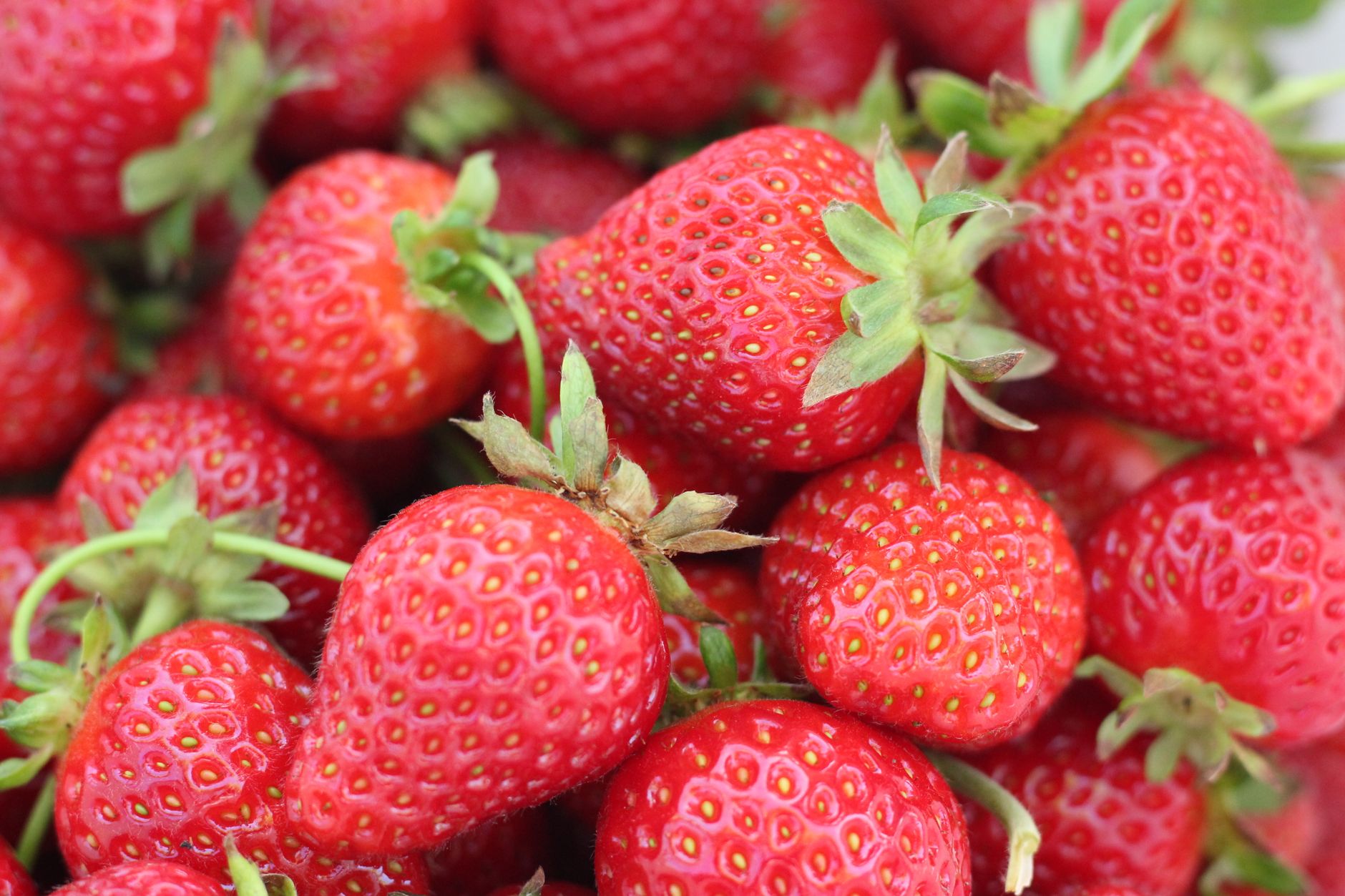
Here is an advanced dietary insight rarely found in standard pet guides regarding strawberry preparation. There is absolutely no need to meticulously slice off the green, leafy tops before serving the fruit to a pup. The strawberry calyx is entirely safe, easily digestible, and provides a fantastic little bump of natural roughage for the gut.
🐾 Snoutbit Pro-Tip: Never feed canned strawberries or berries soaked in heavy commercial syrups. These packaged products are heavily loaded with artificial sweeteners, including Xylitol, which is incredibly fatal to canines even in microscopic doses.
How Many Strawberries Can A Dog Have?
Treats should never exceed ten percent of a dog's total daily caloric intake to prevent canine obesity. For a robust, active Golden Retriever, three to four whole strawberries scattered throughout the day are plenty. For a smaller companion breed like a Frenchie, half of a single strawberry chopped into tiny pieces is the maximum safe limit.
Are Blueberries Good For Dogs?
Blueberries are universally considered a canine superfood by veterinary nutritionists across the globe. They are tiny, low-calorie powerhouses absolutely bursting with antioxidants, phytochemicals, and essential vitamins that actively prevent dangerous cellular damage. Their small, uniform size also makes them the absolute perfect, bite-sized training reward for repetitive obedience sessions.
In years of training high-drive Labradors, utilizing fresh blueberries as high-value training treats is a highly favored behavioral strategy. They provide incredible, high-stakes motivation for the dog without piling on unnecessary weight during heavily repetitive fetching drills. They do not crumble in a treat pouch, leaving hands clean and the dog fully focused on the task at hand.

During the sweltering heat of an Australian summer, tossing a handful of blueberries directly into the freezer is an absolute game-changer. Freezing them slightly alters the internal cellular structure, making the dense nutrients easily digestible for the canine stomach. Furthermore, it provides an essential, hydrating crunch that naturally helps cool down panting, overheated dogs.
🚨 Vet Fact: Blueberries are particularly beneficial for senior dogs actively suffering from cognitive decline or canine dementia. The specific antioxidants found in these dark berries actively support brain health and can help maintain sharp mental acuity in aging pups.
Why Are Grapes Poisonous To Dogs?
Never, under any circumstances, allow a dog to consume fresh grapes, dried raisins, sultanas, or currants. The toxicity level of these fruits is severe, completely unpredictable, and rapidly attacks the canine kidneys within hours. It does not matter if the grapes are peeled, seedless, or organically grown; they are all equally lethal.
For decades, the exact toxic compound inside the grape remained a total medical mystery to the veterinary community. Recent advanced studies have finally pinpointed tartaric acid as the deadly culprit hiding inside the fruit. Because tartaric acid levels vary wildly from one grape to another, a dog might survive eating three grapes on Tuesday but suffer acute kidney failure from a single grape on Friday.
This unpredictable chemical variance is exactly why there is no established "safe dose" for grape consumption in dogs. A massive Mastiff could be felled by a single raisin dropped on the kitchen floor, while a tiny terrier might show zero immediate symptoms. Absolute, zero-tolerance avoidance is the only way to keep a household completely safe.
What Happens If A Dog Eats A Grape?
The terrifying reality of grape toxicity is that irreversible organ damage begins quietly before the dog ever looks sick. We once worked with a family whose energetic Staffy snatched a single dropped raisin during a neighborhood park picnic. Recognizing the extreme danger instantly, they rushed directly to the emergency clinic, and that rapid medical response successfully saved the dog's life.
Do not wait for obvious physical symptoms to appear before seeking professional medical help. If a dog accidentally consumes a grape, watch closely for the following rapid-onset emergency warning signs:

- Lethargy and Weakness: An unusually quiet, deeply depressed demeanor or a sudden, complete refusal to stand up or walk.
- Severe Gastrointestinal Distress: Violent, repeated vomiting or sudden, explosive diarrhea, often containing undigested pieces of the toxic fruit.
- Increased Thirst and Urination: Frantically drinking entire bowls of water and needing to urinate constantly are massive red flags for acute kidney distress.
🚨 Vet Fact: Inducing vomiting at home using harsh chemicals like hydrogen peroxide is highly dangerous without direct, professional guidance. Always call an animal poison control hotline immediately to receive exact dosing instructions before attempting any at-home medical interventions.
Can Weather Dictate Safe Fruit Feeding?
Local climate absolutely dictates how fresh fruit should be safely integrated into a canine diet. During the absolute peak of US summer heat or notorious Aussie tick seasons, dogs naturally burn fewer calories because it is simply too hot for intense outdoor exercise. Swapping heavy, fat-laden commercial treats for watery, safe fruits like blueberries actively prevents unwanted weight gain during these highly sedentary months.
Additionally, utilizing frozen fruits is a brilliant behavioral tool for managing high-energy dogs trapped inside by bad weather. Freezing these safe berries directly into interactive puzzle toys or textured lick mats keeps brilliant working breeds, like Australian Kelpies, mentally exhausted indoors. When the pavement is simply too hot to walk on safely, a frozen fruit puzzle acts as the perfect, cooling boredom buster.
Always ensure the dog eats messy berries in a designated, easy-to-clean area to protect household furniture. Strawberry juice and blueberry skins will instantly stain expensive living room rugs if a dog decides to roll on their snack. Feeding these colorful treats outside on the patio or directly inside a washable wire crate is the smartest management strategy.
What To Do Next
Sharing a healthy, refreshing snack with a faithful companion is a wonderful bonding experience when executed safely. Knowing exactly which fruits are safe completely eliminates the daily anxiety of accidental poisoning. A prepared pet parent can confidently navigate the kitchen without fearing the dreaded dropped grape.
Here are two simple, immediate steps to take today to ensure safe canine snacking:
- Print A Safe List: Write "Safe: Berries" and "Toxic: Grapes/Raisins" on a bright sticky note and place it directly on the refrigerator door. This ensures every single family member, babysitter, and houseguest knows the strict household rules instantly.
- Prep A Freezer Stash: Wash a small handful of fresh blueberries and strawberries right now, placing them in a safe container in the freezer. A healthy, cooling, high-value training reward will be perfectly ready to go immediately after tonight's evening walk.
Disclaimer: The content on Snoutbit.com is for informational and educational purposes only and is not intended to replace professional veterinary advice, diagnosis, or treatment. Always consult with your veterinarian before making significant changes to your dog’s diet, exercise routine, or health regimen.