Packing the vehicle for a highly anticipated vacation only to have a panicked companion vomit across the backseat instantly ruins the getaway. Enduring hours of frantic whining and uncontrollable drooling turns a simple drive into a deeply exhausting, highly stressful ordeal for the entire family. The absolute secret to successful travel with dogs is prioritizing strict temperature control and enforcing severe visual deprivation during transit.
Never simply toss a dog into the backseat for a long-haul drive without proper biological preparation. Securing them inside a dark, crash-tested travel crate directly over an air conditioning vent instantly stops severe motion sickness. Eliminating the visual blur of passing highway traffic completely rewires their neurological response, guaranteeing a silent, deeply peaceful ride.
Why Do Dogs Get So Sick During Car Rides?
Canine motion sickness is rarely just an upset stomach; it is deeply rooted in intense visual overstimulation and vestibular confusion. When a dog stares out the passenger window, their brain cannot process the trees and cars flying past at seventy miles per hour. This massive sensory disconnect between their stationary body and the rapidly moving environment triggers severe, sudden nausea.
Additionally, many highly anxious dogs associate the car strictly with terrifying trips to the veterinary clinic. If the engine turning on always predicts a painful needle, the dog will instinctively flood with stress hormones before the vehicle even leaves the driveway. Breaking this toxic association requires meticulously decoupling the car from stressful destinations using tiny, highly rewarding micro-trips.

- Start by feeding the dog their daily dinner entirely inside the parked, turned-off car.
- Upgrade to turning the engine on for three minutes while dispensing premium treats, then immediately go back inside.
- Take a highly brief, two-minute drive around the block that ends at a fun, familiar park.
🐾 Snoutbit Pro-Tip: To completely halt vehicle nausea, place a specialized, breathable blackout cover entirely over the dog’s travel crate. Removing the chaotic visual stimuli of the highway forces the canine brain to power down, rapidly inducing a state of deep, restorative sleep.
How Does Cabin Temperature Trigger Travel Panic?
Local environmental extremes act as massive, hidden multipliers for psychological distress and frantic pacing in confined animals. During the brutal, sweltering heat of an Australian outback summer, the cargo area of a modern SUV easily becomes a suffocating greenhouse. While the driver feels perfectly chilled by the dashboard vents, the heavy-coated dog in the far back is actively fighting fatal heatstroke.
Thermal stress forces the canine body to pant violently, which mechanically mimics the physical sensation of a massive panic attack. This dangerous heat-anxiety loop frequently gets misdiagnosed as standard motion sickness by well-meaning but utterly confused owners.
Consider a highly realistic scenario involving a thick-coated Golden Retriever traveling down a humid US interstate in August. The dog was drooling heavily and screaming in the back of a spacious SUV, leading the owners to buy expensive nausea medication. The exact moment they installed a cheap, battery-powered crate fan to push cold air directly into the back, the dog instantly curled up and slept peacefully.
What Are The Best Travel Cooling Strategies?
Ensuring a flat-faced companion like a Frenchie remains perfectly chilled is an absolute, non-negotiable requirement for road trip survival. Their heavily compressed airways make rapid panting incredibly inefficient, turning a warm backseat into a critical, life-threatening medical emergency.
- Purchase a high-grade, water-filled cooling mat to line the absolute bottom of their secure travel crate.
- Attach a heavy-duty, USB-rechargeable fan securely to the crate door to guarantee continuous, direct airflow.
- Pre-cool the vehicle interior for a full fifteen minutes before ever loading the dog inside the cabin.
What Is The Safest Way To Secure A Dog In Transit?
Allowing a dog to roam freely around the cabin of a moving vehicle is a catastrophic, highly fatal mistake. In the event of a sudden highway collision, a loose thirty-pound Kelpie transforms into a terrifying projectile, causing massive injuries to human passengers. Furthermore, loose dogs frequently panic after a crash, bolting directly out of shattered windows and into active, dangerous traffic.
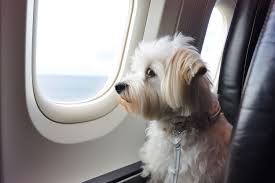
Relying on cheap, generic fabric seatbelts purchased from a local pet store offers absolutely zero structural protection during a high-speed impact. The single safest method for securing a beloved companion is utilizing a heavy-duty, crash-tested aluminum or rotomolded plastic travel kennel. These elite, highly reinforced structures are specifically engineered to absorb massive impact forces, entirely shielding the fragile canine spine from crushing damage.
🚨 Vet Fact: If a dog is suffering from severe, intractable motion sickness, holistic ginger snaps will completely fail to stop the vomiting. Always request a prescription for Maropitant citrate (Cerenia) from a veterinary clinic, as this specific medication targets the exact nausea center in the canine brain.
How To Manage Tick Season While Traveling?
Heavy coastal tick seasons frequently expose energetic dogs to severe, debilitating vector-borne diseases when exploring entirely new environments. Taking an Australian Blue Heeler on a highly anticipated camping trip along the coast introduces them to aggressive paralysis ticks they rarely encounter at home. Traveling to unfamiliar, heavily wooded regions requires upgrading standard parasite protection protocols significantly before departure.
Always perform a meticulous, hands-on physical inspection of the dog’s entire coat after hiking through tall, unknown brush. Finding and removing an embedded parasite rapidly prevents the neurotoxins from permanently paralyzing the dog’s diaphragm. Pack a highly durable set of metal tick twisters directly inside the vehicle’s glovebox to guarantee immediate, safe removal during remote excursions.
How Frequently Should Travel Breaks Occur?
Relying on a human bladder to dictate a dog’s restroom schedule is a massive, highly uncomfortable error. Dogs confined to tight travel crates experience significant muscle stiffness and require frequent, physical decompression stops to maintain healthy blood circulation. Plan to completely stop the vehicle and exit the highway every two to three hours for a mandatory biological break.
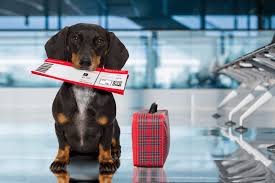
During these critical pit stops, never unclip the dog’s leash before the vehicle door is entirely shut. Massive, loud transport trucks rushing past rest stops easily terrify even the most confident dogs, triggering a blind panic flight response. Utilizing a highly secure, escape-proof martingale collar guarantees the dog cannot physically back out of their equipment and run into moving traffic.
🐾 Snoutbit Pro-Tip: Always carry a portable, silicone water bowl and offer fresh hydration at every single stop. Adding a tiny splash of low-sodium bone broth to the water bowl highly incentivizes reluctant drinkers to consume vital fluids despite the stressful highway vibrations.
Does Tropical Travel Require Extra Prep?
Venturing far outside standard residential zones into highly humid, tropical environments introduces entirely new biological threats to a traveling companion. Whether visiting the humid Florida coastlands or exploring dense tropical trails, humid environments harbor aggressive parasites completely foreign to a dog’s native immune system. Standing water in these lush regions breeds massive mosquito populations, significantly elevating the immediate risk of fatal canine heartworm transmission.
Never embark on a trip to a heavy tropical zone without explicitly updating the dog’s systemic preventative medications. Ensure the dog has swallowed their monthly heartworm chewable exactly on schedule to provide an impenetrable shield against infected mosquito bites.
How To Stop Severe Hotel Room Anxiety?
Arriving at a highly rated, pet-friendly hotel should signal the start of a relaxing vacation, but dogs frequently view strange rooms as terrifying, alien territories. A new hotel room completely lacks the familiar, comforting scent profile of the dog’s home, instantly triggering severe isolation distress. If left entirely alone while the humans grab dinner, a panicked dog will rapidly destroy the hotel door trying to escape.
An elite, highly advanced strategy to completely neutralize this specific environmental anxiety is the “Scent Anchor Trick.” Three days before leaving for the trip, take the primary bed sheet the dog currently sleeps on and place it directly into a sealed plastic bag. Do not wash this sheet under any circumstances.
Immediately upon entering the hotel room, drape this unwashed, heavily scented sheet directly over the dog’s travel crate or designated sleeping area. The familiar, concentrated smell of their home completely overrides the strange chemical cleaners of the hotel, instantly signaling to the nervous system that the new environment is safe.
Another classic scenario involved an energetic Staffy that aggressively barked at every single noise in a strange hotel hallway. The owners utilized the scent anchor trick by laying down an unwashed living room rug right by the door. The strong, familiar home scent entirely blunted the dog’s territorial instincts, leading to a perfectly quiet, complaint-free weekend.
🚨 Vet Fact: Travel heavily disrupts a dog’s gut microbiome, frequently causing loose stools or temporary diarrhea in hotel rooms. Providing a multi-strain canine probiotic three days prior to departure completely fortifies their digestive tract against severe stress-induced inflammation.
What To Do Next
Mastering the art of traveling with a canine companion requires completely abandoning the romanticized idea of a dog simply hanging their head happily out the window. By heavily prioritizing strict biological safety, enforcing visual deprivation, and utilizing advanced scent anchors, households guarantee a stress-free vacation for everyone involved.
Here are two simple, immediate steps to take today to prepare for the next big adventure:
- Audit The Travel Gear: Walk out to the vehicle this afternoon and rigorously test the dog’s current restraint system. If relying on a flimsy harness clip, immediately begin researching heavy-duty, officially crash-tested travel crates to guarantee absolute structural survival during an accident.
- Start The Scent Anchor Bag: Grab a large, airtight ziplock bag and place it directly on top of the travel luggage. Plan to stuff the dog’s unwashed sleeping blanket into this exact bag right before departure to ensure a completely calm, panic-free hotel arrival.
Disclaimer: The content on Snoutbit.com is for informational and educational purposes only and is not intended to replace professional veterinary advice, diagnosis, or treatment. Always consult with your veterinarian before making significant changes to your dog’s diet, exercise routine, or health regimen.