Reading a standard commercial dog food label frequently feels like trying to decipher a highly classified, heavily redacted corporate document. Vague terms like “meat meal” or “animal fat” actively hide the terrifying reality that the bag contains feed-grade ingredients legally deemed entirely unfit for human consumption. This massive lack of corporate transparency leaves millions of dedicated owners unknowingly feeding their dogs highly processed biological waste, triggering relentless skin itching, massive veterinary bills, and chronic gastrointestinal inflammation.
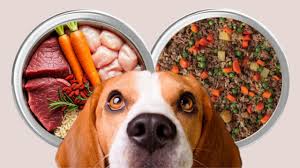
The definitive solution requires stepping entirely out of the feed-grade ecosystem and demanding absolute supply chain transparency. Upgrading to true human-grade dog food with clear ingredient sourcing permanently eliminates the dangerous guessing game of commercial pet nutrition. It forcefully aligns a dog’s daily bowl with the exact same pristine, heavily regulated agricultural standards expected at a human grocery store.
The Human-Grade Distinction: Overview Mind Map
- The Legal Standard: Food that is 100% edible for humans and manufactured exclusively inside an FDA-inspected human food facility.
- The Feed-Grade Trap: Products legally allowed to contain 4-D meats (dead, dying, diseased, or disabled animals) and heavy industrial chemicals.
- Sourcing Transparency: The ability to trace the exact farm, state, and agricultural origin of every single protein and vegetable in the bowl.
- Biological Bioavailability: Utilizing gently cooked, whole-food ingredients that the canine digestive tract can actually absorb and utilize for cellular repair.
🚨 Vet Fact: The FDA heavily regulates the term “human-grade” in pet food marketing. If a dog food company utilizes a single feed-grade ingredient, or physically processes the food on standard pet-food machinery, they are legally forbidden from classifying the final product as true human-grade.
Advanced Insight 1: The “Made With” Labeling Loophole
Generic pet nutrition blogs constantly tell owners to simply look for the words “human-grade” on the front of the bag. This advice completely misses a massive, highly deceptive legal loophole heavily exploited by massive pet food conglomerates. Companies frequently plaster the phrase “Made With Human-Grade Ingredients” across their packaging in massive, brightly colored fonts to highly trick exhausted consumers.
This incredibly sneaky phrasing means the raw ingredients originally started out as human-grade at the farm, but were ultimately processed inside a dirty, feed-grade manufacturing plant. The exact second a pristine chicken breast enters a standard pet food feed mill, it permanently loses its human-grade legal status. This completely exposes the food to massive cross-contamination from heavy machinery previously used to process highly toxic, rendered animal byproducts.
Elite handlers completely bypass this deceptive marketing trap by strictly analyzing the manufacturer’s operational facilities. A truly safe, premium brand will loudly and proudly state that their food is prepared exclusively inside a USDA-inspected human food facility. If the brand aggressively hides exactly where the cooking actually happens, the food is feed-grade, and the premium price tag is an absolute scam.
The 4-D Meat Reality
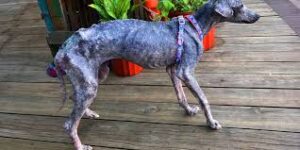
Consider the heartbreaking reality of a rescued Boxer mix in Texas that suffered from violent, chronic hives and massive patches of missing fur. The dedicated owners spent thousands of dollars on expensive, prescription allergy kibbles, entirely unaware the food contained heavily rendered “meat and bone meal.” Once the owners transitioned the dog to a transparently sourced, human-grade gently cooked turkey diet, the severe hives completely vanished within three weeks.
The Boxer was not actually allergic to standard poultry; the dog was experiencing a massive inflammatory response to the feed-grade rendering process. Feed-grade regulations legally allow the inclusion of “4-D” meats, which strictly stands for dead, dying, diseased, or disabled animals. These heavily compromised animal carcasses are boiled down in massive industrial vats under extreme heat, creating a highly toxic, entirely unrecognizable protein powder.
When an owner heavily insists on human-grade dog food with clear ingredient sourcing, they instantly build an impenetrable biological wall against 4-D meats. Human-grade legal standards strictly require the proteins to easily pass standard USDA human consumption inspections. This absolutely guarantees the dog is eating the exact same high-quality, disease-free chicken breasts sold at the local supermarket.
🐾 Snoutbit Pro-Tip: Never completely trust a dog food brand that utilizes umbrella terms like “poultry fat” or “ocean fish meal” on their ingredient panel. Clear ingredient sourcing dictates the absolute necessity of naming the exact animal species, such as “salmon oil” or “chicken liver,” to safely prevent severe allergic cross-reactivity.
Advanced Insight 2: Batch-Level Transparency Codes
Finding a trustworthy pet food brand requires moving far beyond basic marketing brochures and demanding highly advanced, granular supply chain data. Elite human-grade pet food companies are now heavily deploying batch-level transparency codes directly on their retail packaging. This advanced tracking technology completely revolutionizes how owners manually verify the safety and nutritional integrity of their dog’s daily meals.
By simply scanning a highly specific QR code located near the expiration date, handlers gain instant digital access to the exact sourcing of that specific batch. The digital report explicitly names the exact family farm the beef was raised on and visually plots the agricultural origin of the carrots and spinach. It heavily proves that the “wild-caught Alaskan salmon” actually originated in Alaska, rather than being quietly imported from a questionable overseas aquaculture farm.
If a manufacturer flatly refuses to explicitly disclose their exact sourcing farms, they are actively hiding incredibly cheap, highly compromised overseas ingredients. Demanding batch-level transparency entirely shifts the power dynamics heavily back to the consumer. It forcefully holds pet food conglomerates legally and financially accountable for the massive health claims printed on their packaging.
The Agility Dog Energy Crisis
Take the highly insightful case of a competitive Border Collie in Colorado that suddenly began severely lagging during intense weekend agility trials. The highly athletic dog was eating a heavily marketed, ultra-premium athletic kibble, yet constantly suffered from erratic energy crashes and severe muscle fatigue. A canine sports nutritionist quickly identified that the kibble utilized incredibly cheap, feed-grade synthetic vitamin packs sourced entirely from overseas chemical plants.
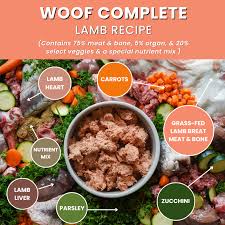
The handlers immediately transitioned the dog to a human-grade formula featuring highly transparent, whole-food vitamin sourcing. The brand exclusively utilized organic blueberries for antioxidants and fresh Atlantic kelp for vital trace minerals, completely ditching the synthetic chemical powders. Within exactly thirty days, the Border Collie’s explosive speed completely returned, heavily proving that biological bioavailability strictly requires recognizable, whole-food ingredients.
Feed-grade synthetic vitamins are notoriously difficult for the canine digestive tract to successfully absorb and utilize for critical cellular repair. A massive percentage of these cheap chemicals simply pass directly through the dog’s body, creating highly expensive, completely nutrient-void waste. Transparent, whole-food sourcing perfectly guarantees the canine body can actively extract and deploy every single crucial vitamin required for elite physical performance.
🚨 Vet Fact: The FDA does not legally mandate pre-market approval for standard commercial pet food recipes. This staggering lack of federal oversight means owners must act as their own strict health inspectors, heavily relying entirely on transparent ingredient sourcing to guarantee the absolute daily safety of their dog’s food bowl.
Advanced Insight 3: The Danger of Co-Packing Facilities
A highly advanced, rarely discussed threat within the pet food industry is the massive reliance on giant, third-party “co-packing” facilities. Many boutique dog food brands do not actually own their own kitchens; they simply hire a massive industrial factory to rapidly cook and bag their recipes. This heavily fractures the supply chain, entirely removing the brand’s direct operational control over daily ingredient quality and critical facility sanitation.
When a massive factory produces thirty different brands of dog food on the exact same heavy machinery, terrifying cross-contamination becomes absolutely inevitable. If the factory quietly substitutes a premium ingredient for a cheap, feed-grade alternative to save money, the boutique brand rarely notices until dogs begin getting violently sick. True transparency requires knowing exactly who physically cooked the food, not just who brilliantly designed the colorful packaging.
Elite human-grade companies aggressively reject the co-packing model, heavily investing in their own private, USDA-inspected cooking facilities. This closed-loop manufacturing system grants the brand absolute, unyielding control over every single ounce of raw chicken or fresh broccoli entering the building. Handlers must aggressively interrogate their chosen brand’s manufacturing process to guarantee the food is actually cooked in-house under highly strict, human-grade sanitation protocols.
What To Do Next
- Execute a “Mystery Meat” Pantry Audit: Walk into the kitchen today and rigorously read the exact ingredient panel on the back of the current dog food bag. If you spot vague, highly generalized terms like “meat meal,” “animal digest,” or “poultry fat,” the food is definitively feed-grade and entirely hides its true biological origin.
- Verify the Manufacturing Facility: Send a highly direct email to the current dog food brand’s customer service department this week. Explicitly ask them to confirm if their food is manufactured in a 100% human-food facility, or if it is produced in a standard pet-food feed mill; their response will instantly reveal the true safety standard of the daily diet.
Disclaimer: The content on Snoutbit.com is for informational and educational purposes only and is not intended to replace professional veterinary advice, diagnosis, or treatment. Always consult with your veterinarian before making significant changes to your dog’s diet, exercise routine, or health regimen.