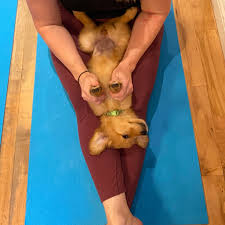
Scrolling through social media, the videos are impossible to ignore. A room full of smiling people attempt a downward dog while a litter of clumsy Golden Retrievers attacks their shoelaces. The desire to immediately book a ticket is completely understandable.
However, the reality behind the camera is often incredibly grim. Pet lovers are unknowingly funding unregulated events that put underage, unvaccinated dogs in severe medical and psychological danger.

Puppy yoga is a fitness class where young dogs roam freely among participants, but the biggest takeaway is that most commercial classes prioritize profits over basic canine welfare. While a tiny handful of ethical classes partner with legitimate rescues to socialize older pups, the vast majority expose underage dogs to deadly viruses, chronic sleep deprivation, and extreme stress.
To understand the hidden dangers of this trend, here is a quick overview mind map.
🧘 Overview Mind Map: The Puppy Yoga Reality
- The Major Health Risk: Unvaccinated puppies exposed to Parvovirus on porous, unsterilized yoga mats.
- The Behavioral Threat: “Flooding,” where an overwhelmed puppy completely shuts down from too much handling.
- The Sourcing Scam: “Rescues” that are actually fronts for high-volume backyard breeders seeking free marketing.
- The Ethical Alternative: Fostering a shelter dog or attending classes explicitly restricted to fully vaccinated adult dogs.
Advanced Insight #1: The Biosecurity Nightmare of Porous Mats
The absolute greatest threat in any studio is completely invisible. Puppies under 16 weeks old have not completed their core vaccination series. This leaves them wildly vulnerable to highly contagious, often fatal diseases.
Yoga mats are incredibly porous, acting like giant sponges for sweat, bacteria, and microscopic viral shedding. If a participant walks into the studio wearing street shoes, they can easily track Canine Parvovirus directly onto the floor.
Once a puppy licks that mat or rolls on that floor, the exposure is complete. Sterilizing a rented studio space between different litters requires hospital-grade chemicals that are rarely used by fitness instructors.
🚨 Vet Fact: Canine Parvovirus is notoriously resilient and can survive indoors at room temperature for over a month. Standard household cleaners and organic yoga mat sprays do absolutely nothing to kill this deadly pathogen.
Recognizing the “Flooding” Trauma Response
Many participants leave these classes raving about how calm and relaxed the puppies were. They post photos of a tiny Frenchie asleep perfectly still on their chest. To a certified canine behaviorist, that photo does not show a relaxed dog.
It shows a dog experiencing “flooding.” Flooding occurs when a dog is exposed to an overwhelming amount of stimuli with absolutely no way to escape. Surrounded by towering strangers, loud music, and constant grabbing, the puppy’s nervous system completely shuts down.
They fall asleep not because they are comfortable, but because their brain cannot process the stress anymore. This early trauma severely impacts their critical socialization window, often leading to deep-seated fear and leash reactivity as adults.
Advanced Insight #2: Sleep Deprivation Disguised as Cuteness
Canine infants require an astonishing 18 to 20 hours of unbroken sleep every single day. Their developing brains and immune systems rely heavily on this massive amount of rest. Commercial studios completely disrupt this biological necessity.
A standard business model involves running three or four consecutive 45-minute classes on a Saturday morning. The same litter of puppies is repeatedly woken up, passed around, and forced to interact.
This level of sleep deprivation causes a massive spike in cortisol, the body’s primary stress hormone. Over-tired puppies quickly become irritable, prone to excessive biting, and highly susceptible to falling ill.
🐾 Snoutbit Pro-Tip: If a puppy ever actively walks away from a group of people and curls up under a chair or behind a gym bag, never drag them back out for a photo. Always respect a dog’s choice to seek a quiet, dark retreat away from the action.
The Sourcing Deception: Where Do the Puppies Come From?
The most crucial question every attendee must ask is exactly where the studio sources the dogs. Ethical studios exist, but they are incredibly rare. These ethical outliers partner exclusively with registered non-profit charities or registered animal shelters.
Unfortunately, many trendy pop-up classes use the term “rescue” as a deceptive marketing buzzword. They actually source underage litters directly from commercial backyard breeders.
These breeders use the classes as free advertising to sell the puppies to impulsive participants immediately after the session ends. Supporting these businesses directly funds the unethical breeding pipeline.
The Australian Heat and Local Breed Factors
The geographic location heavily dictates the specific risks involved in these events. In the United States, small designer breeds like French Bulldogs are frequently used. These flat-faced breeds overheat incredibly fast in a warm, crowded room.

Conversely, the Australian climate presents entirely different challenges. A pop-up class in a Brisbane warehouse during the sweltering summer heat is a recipe for canine heatstroke.
Australian classes often feature high-energy working breeds like Kelpies, Staffies, or Blue Heelers. Confining an athletic, highly prey-driven Blue Heeler puppy to a tiny yoga mat simply frustrates the dog. They are genetically wired to move and herd, not sit quietly while humans stretch.
Advanced Insight #3: The “Littermate Syndrome” Trigger
Bringing an entire litter of siblings to a chaotic environment triggers intense behavioral issues. Puppies naturally rely on their littermates for confidence.
When an eight-week-old puppy is suddenly separated from its siblings across a massive room to take photos with strangers, panic sets in. This forced, terrifying separation can permanently damage their ability to function independently in the future.
Professional behaviorists always recommend socializing puppies individually, entirely away from their littermates. This builds true, lasting confidence rather than forced codependency.
🚨 Vet Fact: Puppies regulate their own body temperature very poorly compared to adult dogs. Placing a young puppy on a cold hardwood floor in a heavily air-conditioned yoga studio can quickly cause their core temperature to drop to dangerous levels.
The Golden Retriever Warehouse Crisis
Consider a heavily advertised weekend event in a major US city. The organizers promised an hour of relaxation with ten Golden Retriever puppies.
Participants arrived to find the puppies panting heavily, visibly exhausted, and suffering from diarrhea. The organizers had rented a cheap, unventilated warehouse and completely failed to provide fresh water or a designated, quiet sleep zone.
Multiple attendees had to leave the class early, distressed by the obvious neglect. The entire event was a profit-driven disaster that left the young dogs traumatized and ill.
The Sydney Staffy Rescue Success
In stark contrast, a legitimate animal shelter in Sydney hosted a heavily regulated, ethical version of this event. They did not use underage puppies.
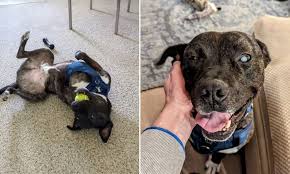
Instead, they brought in three fully vaccinated, adult Staffordshire Bull Terriers that were actively waiting for adoption. The dogs were allowed to roam the mats freely at their own pace, with strict rules against picking them up.
This ethical setup prioritized the dogs’ autonomy and resulted in all three adult Staffies finding forever homes. The focus remained entirely on the dogs’ welfare, not on generating viral social media content.
How to Spot an Ethical Studio
If attending one of these classes is an absolute must, intense vetting is required. Never hand over money without verifying the studio’s protocols.
- Ask for Rescue Documentation: Demand the exact name of the partner rescue and verify their non-profit status online.
- Check the Age Limit: Refuse to attend any class featuring puppies under 16 weeks old to ensure full vaccination status.
- Verify the Schedule: Ensure the studio enforces a strict maximum of one class per day for the dogs involved.
- Observe the Space: Look for designated, blocked-off zones where the dogs can sleep without being touched.
What To Do Next
- Cancel the Booking: If a currently booked class refuses to disclose the breeder or rescue supplying the dogs, immediately cancel the ticket and request a full refund.
- Practice at Home: Unroll a mat in the living room and invite the household dog to participate. Reward them heavily for simply resting calmly on the corner of the mat during a stretching routine to build positive associations.
Disclaimer: The content on Snoutbit.com is for informational and educational purposes only and is not intended to replace professional veterinary advice, diagnosis, or treatment. Always consult with your veterinarian before making significant changes to your dog’s diet, exercise routine, or health regimen.