Discovering a hidden, completely camouflaged pile of dog waste with a bare foot instantly ruins a perfectly peaceful spring afternoon. Many well-meaning pet parents simply leave the mess hidden in the tall grass, entirely assuming it acts as a healthy, natural fertilizer. This massive agricultural misconception rapidly transforms a highly expensive, pristine green lawn into a highly toxic, entirely barren wasteland.
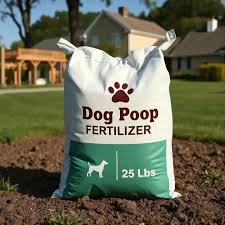
The definitive solution requires immediately recognizing that canine waste is a highly acidic, dangerous biological hazard. Standard decomposition processes only work for strict herbivores, meaning dog waste aggressively destroys fragile plant root systems upon contact. Protecting the yard demands immediate mechanical removal, advanced spatial management, and highly specialized disposal tactics.
Canine Waste Management: Overview Mind Map
- The Dietary Mismatch: High-protein carnivorous diets naturally producing massive, grass-killing nitrogen and phosphorus spikes.
- Parasitic Persistence: Lethal roundworms and hookworms effortlessly surviving in completely unprotected soil for several years.
- Thermal Thresholds: Why standard residential backyard compost tumblers completely fail to kill dangerous canine pathogens.
- Environmental Runoff: Excess raw phosphorus heavily bleeding into local storm drains, actively causing toxic blue-green algae blooms.
Advanced Insight 1: The Herbivore vs. Carnivore Dietary Divide
A massive, highly destructive gardening myth exists directly comparing domestic canine waste to common cow or horse manure. Cows and horses consume strict, entirely plant-based diets consisting exclusively of dry hay, fresh grass, and raw agricultural grains. This heavily fibrous, exceptionally low-protein diet naturally produces incredibly safe, highly beneficial organic matter that massively enriches topsoil.
Domestic dogs, however, consume highly processed, incredibly protein-heavy daily diets packed with massive amounts of animal meat. This incredibly dense, carnivorous dietary profile forcefully alters the canine digestive tract, producing waste heavily saturated with extreme levels of nitrogen. When this highly acidic, raw nitrogen breaks down directly on a fragile green lawn, it acts exactly like a harsh chemical herbicide.
This concentrated acidity physically scorches the surrounding grass, leaving highly visible, completely dead brown patches completely across the yard. Canine waste completely fails to provide any beneficial soil nutrients whatsoever, instead actively destroying the essential microbial life living just beneath the topsoil.
🐾 Snoutbit Pro-Tip: If a dog frequently defecates or heavily urinates in the exact same spot, immediately saturate the area with fresh water from a garden hose. This massive influx of clean water rapidly dilutes the highly concentrated nitrogen, successfully preventing the fragile grass roots from experiencing severe, permanent chemical burn.
The Ohio Vegetable Garden Disaster
Consider the incredibly harsh reality of a suburban gardener in Ohio who heavily assumed scraping canine waste directly into the family vegetable patch would naturally boost summer tomato yields. The highly acidic raw waste rapidly altered the delicate soil pH, completely stalling absolutely all plant growth within three short weeks. The family subsequently faced a massive, highly terrifying health scare when local agricultural extensions explicitly warned against consuming any vegetables grown in that heavily contaminated dirt.
Canine waste is heavily loaded with aggressive zoonotic diseases, meaning highly dangerous pathogens easily cross the biological species barrier to rapidly infect humans. Lethal strains of Salmonella, E. coli, and Campylobacter heavily thrive and rapidly multiply inside degrading backyard piles. Tossing dog waste into a garden specifically intended for human food consumption practically guarantees massive, highly dangerous bacterial cross-contamination at the dinner table.
Advanced Insight 2: The “Hot Composting” Thermal Threshold
Some advanced, highly technical gardening blogs claim dog waste can absolutely be composted, creating massive, highly dangerous confusion for the average homeowner. While technically true on a massive industrial scale, standard backyard compost tumblers completely lack the massive thermal mass required for absolute biological sanitization. Safely composting canine waste requires the internal pile temperature to completely sustain a highly specific 165 degrees Fahrenheit for exactly five consecutive days.
Typical residential compost bins perfectly designed for carrot peels and grass clippings rarely exceed 130 degrees internally. This effectively turns the dark, damp plastic bin into a massive, highly efficient biological incubator for canine parasites. Freezing winter temperatures also completely fail to sanitize the waste, acting entirely as a massive biological preservative for resting parasitic eggs.
Microscopic roundworm and dangerous whipworm eggs effortlessly survive completely dormant inside a cold compost bin. The exact second the warm spring thaw arrives, these highly lethal parasites violently explode into the thawing mud, heavily re-infecting the dog.
🚨 Vet Fact: A single gram of canine feces contains approximately twenty-three million active fecal coliform bacteria. When left completely unmanaged on the lawn, heavy spring rainstorms forcefully wash this massive bacterial load directly into local storm drains, severely contaminating community waterways and heavily devastating delicate aquatic ecosystems.
Advanced Insight 3: The Phosphorous Runoff Effect
Leaving dog waste to naturally decompose creates an entirely invisible, highly dangerous ecological ripple effect extending far beyond the wooden backyard fence line. The incredibly dense concentration of raw phosphorus found in premium dog kibble aggressively bleeds directly into the local water table during heavy rain. This highly toxic chemical runoff eventually pools heavily in nearby community lakes and neighborhood retention ponds.
Once the massive phosphorus load successfully hits stagnant water, it sparks massive, highly toxic cyanobacteria algae blooms. These aggressive blue-green algae blooms severely deplete aquatic oxygen levels, causing massive fish die-offs and rendering the local water entirely lethal to thirsty wildlife. If a dog actively swims in or drinks from a pond experiencing a toxic algae bloom, it frequently causes catastrophic, highly fatal liver failure within hours.
Professional, highly immediate waste removal is absolutely critical to preventing this devastating, neighborhood-wide environmental contamination. Treating dog waste exactly like an active biohazard completely shifts the perspective from lazy lawn maintenance to highly critical community defense.
The Texas Rescue Facility Transformation
Take the highly challenging case of a busy, incredibly crowded canine rescue facility in Texas that completely lost a highly expensive, newly laid sod play yard. The exhausted staff incorrectly assumed the incredibly heavy summer thunderstorms would safely wash the massive daily waste accumulation entirely away. The massive nitrogen and phosphorus spikes severely burned the fresh, highly delicate roots, leaving the entire massive yard completely barren and rotting black.
Once the dedicated facility aggressively implemented a strict, highly methodical twice-daily mechanical grid search, the environment completely transformed. Staff installed a massive, commercial-grade anaerobic digester deeply underground to safely handle the heavy daily biological load. By entirely removing the raw waste from the surface soil, the thick, highly resilient green grass rapidly rebounded within two short months.
🐾 Snoutbit Pro-Tip: Never utilize standard garden trowels or heavily rusted metal rakes to safely handle canine waste in the backyard. Invest strictly in a heavy-duty, powder-coated aluminum bin-and-rake system designed exclusively for pet waste, securely keeping this highly contaminated tool entirely separated from standard household vegetable gardening equipment.
Safe Disposal: The Anaerobic Digester Revolution
Throwing hundreds of single-use plastic waste bags directly into the municipal trash bin every single year creates a massive, highly unsustainable environmental footprint. Forward-thinking pet parents are aggressively abandoning petroleum-based plastic bags entirely, instead utilizing highly efficient, in-ground anaerobic digesters. These brilliantly engineered underground systems act exactly like a miniature, highly localized septic tank strictly manufactured for canine waste.
Owners simply drop the raw waste directly into the deeply buried tank, add a highly specialized enzymatic powder, and pour in a massive bucket of warm water. The living biological enzymes rapidly break the incredibly dense waste down into a completely safe, highly diluted liquid. This entirely harmless gray water naturally drains deep into the heavy subsoil, completely bypassing the highly fragile surface lawn.
This incredibly advanced disposal method entirely eliminates foul, highly embarrassing trash can odors and drastically reduces household plastic consumption. It permanently secures the biological hazard entirely underground, brilliantly solving the massive environmental guilt of plastic waste while heavily protecting the expensive backyard landscaping.
Establishing Designated Potty Zones
Strict backyard hygiene protocols are absolutely non-negotiable for a healthy, incredibly peaceful, highly sanitary canine household. Handlers must firmly establish designated potty zones, heavily forcing the dog to eliminate strictly in a highly restricted, easily manageable area. This specific bathroom perimeter should be entirely covered in easily replaceable pea gravel, heavy sand, or highly absorbent cedar mulch.
Confining the massive biological hazard to a strictly controlled, ten-foot perimeter drastically shrinks the active danger zone and flawlessly protects the rest of the vulnerable green landscaping. This brilliant spatial management strategy makes the required daily cleanup incredibly fast and highly efficient. It effectively reclaims the vast majority of the backyard strictly for safe, completely barefoot human recreation and pristine summer barbecues.
Consistency is the absolute key to successfully implementing this highly advanced designated potty zone. Handlers must walk the dog out on a standard six-foot leash directly to the gravel pit every single morning, heavily rewarding the dog with premium treats the exact second they successfully eliminate in the correct zone.
🚨 Vet Fact: Canine parvovirus is a highly contagious, incredibly lethal gastrointestinal virus that actively sheds by the absolute millions in the raw feces of an infected dog. This incredibly resilient virus effortlessly survives in completely unprotected topsoil for over a full year, surviving both extreme summer heat waves and brutal winter blizzards entirely without degrading.
What To Do Next
- Execute a Full Grid Search: Step outside today and systematically walk the entire backyard in incredibly tight, heavily overlapping geometric lines to completely remove all hidden waste. Recovering absolutely every single forgotten pile immediately halts the heavy nitrogen burn and safely prevents massive bacterial loads from deeply penetrating the fragile spring topsoil.
- Audit the Gardening Tools: Rigorously inspect the backyard shed right now and entirely physically separate any shovels or rakes previously used to move canine waste. Strictly designate one specific tool exclusively for scooping dog waste, marking the handle heavily with bright red tape to permanently prevent accidental cross-contamination with the household vegetable garden.
Disclaimer: The content on Snoutbit.com is for informational and educational purposes only and is not intended to replace professional veterinary advice, diagnosis, or treatment. Always consult with your veterinarian before making significant changes to your dog’s diet, exercise routine, or health regimen.