The front door clicks open, a squirrel darts across the street, and a beloved dog instantly bolts into oncoming traffic. The sheer panic of searching a busy neighborhood with an empty leash in hand is a terrifying experience no pet parent wants to repeat. Traditional wooden fences cost thousands of dollars, and buried invisible wires require back-breaking trench digging that instantly breaks the second a landscaper’s shovel hits the ground.
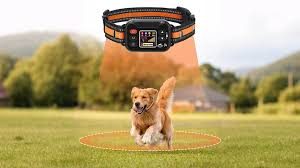
The biggest takeaway is that a GPS dog fence uses satellite technology to create customizable, invisible boundaries anywhere in the world, sending warning tones and static corrections directly to a smart collar if the dog tries to escape. However, these systems absolutely require clear skies to prevent dangerous satellite drift and mandate intense behavioral training. They are never a plug-and-play solution, and slapping a collar on an untrained dog guarantees severe behavioral trauma.
To instantly visualize exactly how this wireless boundary technology operates, here is a quick overview mind map.
🧠 Overview Mind Map: The GPS Boundary Matrix
- The Core Tech: Satellites track the collar’s precise location, eliminating the need for buried wires or physical base stations.
- The Portability: Boundaries can be drawn instantly on a smartphone app, making them perfect for camping trips or renting a cabin.
- The Weakness: Dense tree canopies and metal roofs scramble satellite signals, causing wildly inaccurate boundary shifts.
- The Training Requirement: Demands at least three weeks of strict, leash-guided conditioning before the dog can safely roam free.
Advanced Insight #1: The “Satellite Drift” Hazard
Generic technology reviews sell GPS collars as flawless, pinpoint magic. The behavioral reality is that consumer GPS technology inherently possesses a margin of error known as “satellite drift.” The boundary line drawn on a smartphone app can physically shift up to ten feet in any direction depending on current cloud cover or satellite positioning.
This drift creates massive confusion for the dog. On Monday, the warning tone might beep right at the edge of the sidewalk. On Tuesday, due to heavy rain clouds, the collar might issue a warning while the dog is still safely sitting ten feet inside the yard.
This unpredictable inconsistency destroys the dog’s confidence in their environment. If a dog cannot accurately predict where the boundary actually lives, they will simply refuse to leave the back porch out of sheer terror.
🚨 Vet Fact: Static correction collars can cause severe contact dermatitis or pressure necrosis if the metal prongs are left pressing into the dog’s skin for too long. A GPS collar must be entirely removed every night before bedtime, giving the delicate neck tissue at least ten hours to completely recover.
The Oregon Husky Reality Check
Consider a highly active Siberian Husky living on a sprawling, five-acre property in heavily wooded Oregon. The owners purchased a premium GPS dog fence, hoping to give the dog ultimate freedom without cutting down trees for a physical barrier. They set the boundary lines perfectly on their tablet and released the dog.
The massive, towering pine trees completely scrambled the collar’s connection to the sky. The GPS signal bounced erratically, causing the collar to issue a static correction while the Husky was simply sleeping on the living room rug. The metal roof of the house combined with the dense forest canopy made the technology entirely useless and highly traumatizing.
The owners immediately removed the device and pivoted to a standard, buried wire fence. GPS technology strictly requires a clear, unobstructed view of the sky to function safely and accurately.
Advanced Insight #2: The “Trapped Outside” Phenomenon
A massive, hidden danger of any invisible boundary system is the “run-through” effect. A GPS dog fence relies entirely on pain deterrence to stop an escaping dog. However, if a high-drive dog spots a deer running into the woods, their adrenaline spikes so high that they will simply ignore the static shock and blast right through the boundary.
Once the dog is outside the digital fence, the prey drive eventually fades, and the dog wants to come home. The catastrophic flaw is that crossing back into the yard triggers the exact same painful shock. The dog becomes physically trapped outside their own property, terrified to return to the safety of the porch.
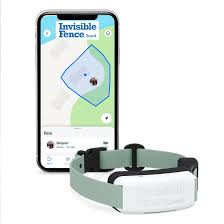
Elite behaviorists combat this by strictly programming GPS collars to offer a “grace period” for returning dogs. Always ensure the chosen brand features software that completely disables the static correction when the dog is traveling back toward the center of the safe zone.
🐾 Snoutbit Pro-Tip: Never use a GPS dog fence or static correction collar on an aggressively reactive dog. If a dog already lunges at passing strangers, receiving a painful shock right as a mail carrier walks by will permanently convince the dog that the mail carrier actively caused the pain, drastically escalating their aggression.
Advanced Insight #3: The Minimum Acreage Requirement
Marketing campaigns frequently show GPS collars being used in tiny, manicured suburban front yards. This is incredibly misleading and behaviorally dangerous. Due to the inherent 10-foot satellite drift, GPS dog fences require a massive buffer zone to operate fairly.
Most top-tier manufacturers explicitly state their systems should not be used on properties smaller than half an acre. If the yard is tiny, the warning zone and the correction zone will overlap with the dog’s safe living space. The dog will be completely unable to turn around without triggering a warning beep.
For tight townhomes or densely packed city neighborhoods, traditional buried wire systems are the only accurate invisible option. GPS is strictly designed for large, sprawling farm properties where a 10-foot boundary shift goes completely unnoticed by the roaming dog.
The 21-Day Flag Protocol
Taking a brand-new GPS collar out of the box, strapping it to a dog’s neck, and letting them loose is a recipe for absolute disaster. The dog has absolutely no concept of invisible satellites or digital boundaries. The system must be introduced through a rigorous, highly structured 21-day physical training protocol.
Training begins by planting physical white flags exactly where the digital boundary lives. The handler puts the dog on a long leash, walks them toward the flags, and waits for the collar to emit the warning tone. The exact millisecond the tone beeps, the handler cheerfully pulls the dog back into the safe zone and delivers a massive jackpot of high-value treats.
This crucial step teaches the dog that the warning beep simply means “turn around and get paid.” The physical flags provide a necessary visual anchor while the dog learns the new auditory rules. Only after three weeks of flawless leash compliance can the dog finally be trusted off-leash.
🚨 Vet Fact: Puppies under six months of age lack the neurological maturity to understand complex boundary conditioning or process static corrections safely. Introducing a GPS dog fence too early causes profound, permanent generalized anxiety.
The Texas Beagle Escape Artist
A family in rural Texas owned a deeply stubborn Beagle with an incredible nose for tracking rabbits. The dog routinely dug under the physical chain-link fence, forcing the owners to invest in a premium GPS dog fence. They skipped the flag training entirely, assuming the smart collar would magically do the work.
The Beagle caught a scent, hit the boundary, and received a high-level static correction without any prior warning conditioning. The dog yelped in terror, bolted entirely off the property, and hid under a neighbor’s truck for six hours. The Beagle became completely terrified of the backyard, refusing to step off the patio for weeks.
The behavioral rehabilitation required stripping the collar off entirely and starting from absolute scratch. The owners spent a month playing high-value fetch games near the boundary line with the collar turned completely off just to rebuild the dog’s shattered confidence in the grass.
Managing Battery Life Anxiety
Unlike a buried wire fence that plugs directly into a home’s electrical grid, a GPS dog fence is entirely reliant on a tiny lithium-ion battery. Maintaining this battery becomes a massive, daily chore for the pet parent. If the battery dies while the dog is outside, the boundary completely vanishes.
Most modern collars require charging every 24 to 48 hours, depending heavily on how often the dog tests the boundary limits. Cold winter weather drastically degrades battery performance, meaning a collar that lasts two days in July might die in twelve hours in December.
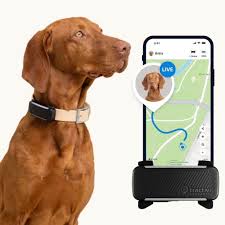
Always purchase a system that features interchangeable, hot-swappable battery packs. This allows one battery to sit permanently on the kitchen charger while the other remains active on the dog’s neck, entirely eliminating dangerous gaps in boundary protection.
🐾 Snoutbit Pro-Tip: Create a non-negotiable household routine for collar maintenance. Set a permanent daily phone alarm for 8:00 PM to remove the dog’s collar, wipe the metal prongs with rubbing alcohol to prevent skin infections, and place the battery directly on the charging dock.
What To Do Next
- Assess the Property Canopy: Walk to the exact perimeter of the backyard today and look straight up. If the sky is heavily obscured by dense tree branches or towering metal buildings, abandon the GPS idea entirely and begin researching buried wire alternatives.
- Audit the Dog’s Temperament: Evaluate the dog’s reaction to loud noises or sudden surprises. If the dog is highly sensitive, fearful of thunder, or already exhibits leash reactivity, consult a certified behaviorist before ever introducing a static correction device.
Disclaimer: The content on Snoutbit.com is for informational and educational purposes only and is not intended to replace professional veterinary advice, diagnosis, or treatment. Always consult with your veterinarian before making significant changes to your dog’s diet, exercise routine, or health regimen.