A missing dog is every pet owner’s absolute worst nightmare. The sheer panic rapidly skyrockets when realizing that a surgically implanted microchip is entirely useless if the digital contact data is completely obsolete. The definitive solution requires taking immediate, proactive control of the digital registry before an unexpected escape ever occurs.

Veterinary clinics constantly scan found dogs, hear the reassuring beep of the hardware scanner, and feel an immense wave of relief. That relief instantly evaporates when the database returns a disconnected phone number or an old apartment address. Millions of domestic dogs are walking around with “dead-end” chips right now, completely cutting off their only reliable ticket back home.
Microchip Maintenance: Overview Mind Map
- The Hardware: Understanding that the chip is a passive RFID transponder, entirely lacking GPS or internal batteries.
- The AAHA Tool: Utilizing the universal search engine to pinpoint exactly which registry currently holds the dog’s data.
- Custody Transfers: Successfully navigating locked shelter chips and completing formal adoption transfer paperwork.
- Free Redundancy: Dual-registering the chip across multiple high-traffic databases to guarantee maximum digital visibility.
Advanced Insight 1: The AAHA Tool Misconception
The absolute fastest way to start the digital update process is utilizing the AAHA (American Animal Hospital Association) Universal Pet Microchip Lookup website. However, a massive, highly dangerous misconception exists regarding this specific digital tool. Owners frequently type their dog’s number into the AAHA search bar and incorrectly assume their personal data is magically updated.
The AAHA tool is strictly an online search engine, absolutely not an actual registration database. It only tells the searcher which specific company (like HomeAgain, AKC Reunite, or 24PetWatch) currently holds the dog’s digital file. Handlers must take that specific company name, navigate to their independent corporate website, and manually log in to change any personal contact fields.
If the AAHA tool returns an “Unregistered” status, the chip is completely blank. The physical hardware is functioning perfectly inside the dog, but it points to absolutely nothing. This terrifying scenario requires immediately creating a brand-new account with a national registry to physically link the number to a human identity.
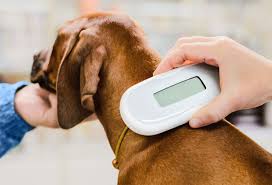
🚨 Vet Fact: A pet microchip is a tiny radio-frequency identification (RFID) transponder, roughly the exact size of a single grain of rice. It absolutely does not possess internal batteries or satellite tracking capabilities, meaning it only transmits data when physically activated by a specialized electromagnetic veterinary scanner.
Retrieving the Missing Numbers
If the dog’s unique microchip number is currently completely unknown, do not panic. Owners do not need to immediately pay for a full, expensive veterinary consultation just to retrieve this basic data. Simply walk into any local veterinary clinic or municipal animal shelter and politely ask the front desk staff for a quick “courtesy scan.”
Veterinary technicians are always highly thrilled to help owners proactively update their safety records.
- Bring a smartphone and take a crystal-clear photograph of the scanner screen to prevent transcription errors.
- Check the dog’s original adoption folder for a small, peeling barcode sticker holding the digits.
- Look closely at old rabies vaccination certificates, which frequently list the ID right next to the vaccine serial number.
Never guess the digits or rely on memory when registering the account. A single wrong number completely breaks the digital link, guaranteeing the dog remains entirely lost if picked up by animal control.
🐾 Snoutbit Pro-Tip: Always demand the veterinary staff scan the dog’s entire physical body, sweeping down the shoulders and heavy front legs. Microchips frequently migrate away from the original injection site between the shoulder blades, dropping downward due to heavy gravity and natural tissue movement over time.
Advanced Insight 2: The “Locked Rescue” Dilemma
Many newly adopted dogs come completely pre-chipped by the originating animal shelter or local rescue organization. A highly frustrating roadblock occurs when the new owner attempts to update the registry and discovers the chip is permanently “locked” to the rescue facility. Shelters execute this purposely to guarantee the dog is legally returned to them if the new owner ever abandons the animal.
Unlocking this digital barrier requires highly specific, proactive communication with the original organization. Owners must explicitly contact the original rescue and formally request a “transfer of custody” digital link. Some strict registries require the new owner to submit a signed adoption contract via email before they legally allow the primary phone number to be permanently altered.
Consider the reality of a stray Husky found wandering near a highly busy Texas highway. The local shelter scanned the dog and found a working microchip, but the registered owner was a rescue facility that had permanently closed three years prior. Because the adoptive family never completed the required online transfer paperwork, the dog sat in a concrete kennel for two weeks while volunteers desperately hunted down ancient paper records.
The Phone Provider Trap
Life is completely unpredictable, and human contact information changes incredibly rapidly. A massive point of failure occurs when owners upgrade their technology but completely forget to update their pet’s safety net. Changing cell phone carriers, moving across the state, or abandoning an old email address instantly turns a highly effective microchip into a useless piece of internal glass.
A highly trained Golden Retriever easily escaped a fenced yard in Ohio during a spectacularly loud summer thunderstorm. The dog was safely recovered by local animal control just two miles down the road the very next morning. Unfortunately, the owner had recently switched cell phone carriers and completely forgot to update the microchip registry with the brand-new number.
The local municipal pound repeatedly called a completely dead line, receiving only an automated carrier error message. This forced the terrified Golden Retriever to spend a highly stressful, completely unnecessary night in a noisy municipal cage. This entirely preventable scenario brilliantly highlights exactly why maintaining accurate digital records is just as critical as securely locking the backyard gate.
🚨 Vet Fact: There are three distinct microchip frequencies currently heavily utilized in the United States: 125 kHz, 128 kHz, and 134.2 kHz. While modern “universal” scanners can successfully read all three, heavily underfunded municipal shelters might possess outdated scanners that completely miss the internationally recognized 134.2 kHz ISO standard chips.
Advanced Insight 3: The Multi-Registry Redundancy Loophole
A highly advanced, rarely discussed digital strategy involves dual-registering a dog’s microchip across multiple platforms. Owners are absolutely not legally restricted to using only the original hardware manufacturer’s database. A 15-digit HomeAgain chip can be perfectly registered on a completely free, alternative database like the Michelson Found Animals Registry alongside the paid HomeAgain database.
Registering the specific number across multiple high-traffic databases massively increases the overall odds of a successful match during an active emergency. If one specific registry website experiences a catastrophic server outage during a weekend crisis, the backup registry provides an immediate, foolproof safety net. This completely free redundancy protocol is highly favored by elite dog handlers and professional breeders across the country.
Ensure the exact same primary phone number is heavily utilized across all platforms to prevent searcher confusion. If a shelter scans the dog and queries the AAHA tool, they will simply see multiple registry hits. They will quickly call the first available number, drastically accelerating the physical reunion process.
The “Secondary Contact” Mandate
Relying on a single human contact creates a massive, highly dangerous single point of failure. If the dog escapes during a major natural disaster like a hurricane or wildfire, local cell towers might be entirely offline. The digital registry profile must absolutely include an out-of-state emergency contact to bypass localized communication blackouts.
- Add a trusted, highly responsible family member who lives at least three hours away.
- Include the direct contact information for the dog’s primary, trusted veterinary clinic.
- Ensure the secondary contact actually knows they are permanently listed on the digital account.
When a shelter locates a dog but cannot reach the primary owner, they immediately dial down the contact list. Having a trusted friend happily answer the phone and successfully verify the dog’s identity prevents the animal from entering the general adoption population.
🐾 Snoutbit Pro-Tip: Set a recurring annual reminder on a smartphone calendar explicitly titled “Microchip Audit” to execute exactly on the dog’s birthday. Use this specific day to physically log into the registry website, verify the credit card on file is not expired, and double-check all emergency phone numbers.
Bypassing the Subscription Scam
Many massive microchip companies aggressively market expensive, highly recurring annual subscription plans. These companies utilize fear-based marketing to convince owners that their dog’s data will be completely deleted if they fail to pay the yearly premium. This is a massive, highly profitable industry myth.

Basic registration and vital contact data retention are almost always entirely free for the absolute life of the pet. The expensive annual fees simply cover completely optional, premium perks like 24/7 poison control hotlines or lost pet poster generation. Owners must carefully read the fine print to successfully maintain their free registration without accidentally enrolling in costly, unnecessary monthly billing cycles.
Never let the high cost of a premium subscription prevent the vital updating of basic contact information. If a paid registry attempts to block a phone number update behind a massive paywall, simply take the 15-digit number and register it on a completely free, national alternative. The absolute only thing that truly matters is that the unique digits successfully link to a ringing cell phone.
What To Do Next
- Execute the AAHA Verification: Immediately locate the dog’s microchip number from their veterinary paperwork and type it directly into the AAHA Universal Pet Microchip Lookup tool online. Verify exactly which company currently holds the registration file to guarantee the chip is not sitting entirely blank in the system.
- Perform a Login Audit: Navigate directly to that specific manufacturer’s website today and physically log into the user portal. Double-check that the primary cell phone number is entirely accurate and immediately add a trusted, out-of-state friend as the permanent secondary emergency contact.
Disclaimer: The content on Snoutbit.com is for informational and educational purposes only and is not intended to replace professional veterinary advice, diagnosis, or treatment. Always consult with your veterinarian before making significant changes to your dog’s diet, exercise routine, or health regimen.