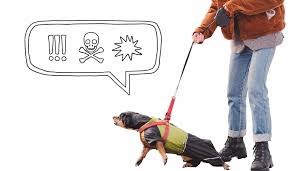
Walking a highly reactive dog effortlessly turns a peaceful morning neighborhood stroll into an absolute, sweat-inducing nightmare. Every single time another dog appears on the far sidewalk, the leash pulls completely tight, the frantic barking begins, and terrified neighbors rapidly cross the street. The sheer embarrassment and intense physical exhaustion leave handlers feeling entirely drained, frequently causing them to lock their dogs safely away indoors out of pure fear.
The definitive solution requires entirely ditching traditional leash corrections and actively deploying clinical, science-backed behavioral modification. Advanced dog training for aggression and reactivity focuses heavily on strict threshold management and autonomic nervous system regulation. By completely understanding exactly how stress compounds inside the canine brain, handlers can flawlessly transform a terrifying walk into a completely calm, highly structured outdoor routine.
Reactive Dog Recovery: Overview Mind Map
- The Threshold Buffer: Calculating the exact mathematical distance where a dog physically transitions from mildly curious to violently panicked.
- The Trigger Stacking Effect: Understanding exactly how minor daily stressors heavily compound to create a massive, highly dangerous behavioral explosion.
- The Look At That (LAT) Game: Actively rewiring the nervous system to view a terrifying trigger as an immediate cue for high-value food.
- Decompression Therapy: Utilizing long lines in completely empty, highly secluded environments to actively lower toxic, circulating cortisol levels.
🚨 Vet Fact: Canine reactivity is heavily driven by the amygdala, the exact same primitive part of the brain responsible for the human “fight or flight” response. When a dog crosses their biological threshold, the brain completely shuts down all logical learning pathways, making verbal commands absolutely useless.
Advanced Insight 1: The Cortisol “Trigger Stacking” Reality
Generic pet advice constantly tells handlers to simply wave a hot dog in front of a reactive canine’s nose, completely failing to address the underlying chemical stress. Elite behaviorists understand a highly critical biological concept known as “trigger stacking.” Throughout a standard twenty-four-hour period, minor stressful events continuously pour invisible drops of cortisol directly into the dog’s internal biological bucket.
A mail carrier dropping a package, a sudden loud thunderstorm, and a slightly delayed breakfast all silently raise the dog’s baseline stress level. By the exact time the dog finally steps outside for the afternoon walk, their biological stress bucket is completely filled to the absolute brim. The exact second a strange dog appears fifty feet away, the bucket violently overflows, resulting in a massive, completely uncontrollable aggressive display.
Successfully managing reactivity requires actively draining this biological bucket long before the leash is ever clipped to the collar. Handlers must aggressively audit the dog’s entire home environment to completely eliminate completely unnecessary daily stressors. Providing massive amounts of uninterrupted sleep and utilizing heavy mental enrichment puzzles actively burns off excess cortisol, completely bulletproofing the dog for the chaotic outdoor world.
The Shelter Rehabilitation Example
Consider the incredibly intense environment of busy rescue facilities like Wenny’s shelter, where dedicated volunteers actively manage highly traumatized, severely reactive strays. The environment itself is incredibly loud and highly unpredictable, naturally causing massive cortisol spikes in newly arrived animals. Volunteers quickly learn that forcefully dragging a terrified dog through a crowded kennel corridor instantly sparks violent, defensive aggression.
Instead of fighting the dogs, elite rescue handlers heavily utilize completely blind corners and strict spatial management to safely move the animals. They actively set up massive visual barriers and heavily rely on scattering food across the concrete to keep the dogs completely focused downward. This brilliant environmental engineering completely prevents the dogs from locking eyes with potential triggers, massively reducing the severe bite risk.

When physical distance is successfully maintained, the rescue dogs slowly begin to realize that the environment is no longer a highly lethal threat. The panicked barking entirely stops, and the dogs finally begin offering relaxed, completely voluntary eye contact to the human handlers. This perfectly proves that successfully altering a dog’s emotional state completely relies on brilliant spatial management, absolutely never harsh physical punishment.
🐾 Snoutbit Pro-Tip: Never completely tighten the leash the exact second a potential trigger appears on the horizon. A highly tightened leash acts as an aggressive physical telegraph, heavily transferring the human’s internal anxiety directly into the dog’s neck and sparking the explosive reaction.
Advanced Insight 2: The “U-Turn” Emergency Evacuation Protocol
A massive tactical error handlers frequently make is forcefully marching a highly reactive dog directly past a severe trigger simply to get the walk over with. Flooding the dog with overwhelming, terrifying stimuli absolutely destroys fragile trust and heavily reinforces the aggressive lunge. When a trigger suddenly appears completely out of nowhere, handlers must execute an immediate, highly practiced emergency evacuation.
The “U-Turn” protocol is an advanced handling maneuver designed to rapidly and flawlessly create massive physical distance between the dog and the threat. The exact second the trigger is spotted, the handler must loudly, highly enthusiastically say “Let’s Go!” and instantly pivot one hundred and eighty degrees. The handler rapidly jogs completely in the opposite direction, heavily dropping premium treats directly onto the pavement to encourage the dog to sprint away.
This maneuver completely breaks the intense, aggressive visual lock the dog holds on the approaching trigger. By rapidly moving completely away from the terrifying stimulus, the handler physically proves to the dog that the human will actively handle the threat. The dog brilliantly learns that fleeing the scene is highly rewarding, completely replacing the dangerous instinct to violently stand their ground and fight.
Advanced Insight 3: The Danger of the “Tension Transfer”
Many handlers completely fail to realize exactly how deeply their own physical body language heavily influences their dog’s aggressive behavior. Dogs are absolute masters of micro-expressions and highly sensitive to the slightest shift in human biomechanics. When an owner spots an off-leash dog approaching, they involuntarily hold their breath, aggressively square their shoulders, and violently wrap the leash tightly around their wrist.
This sudden, highly intense physical shift instantly signals to the dog that a massive, highly lethal threat is absolutely imminent. The dog completely feeds off the handler’s silent panic, heavily feeling the necessity to aggressively defend the completely terrified human at the end of the leash. Fixing canine reactivity strictly requires the human handler to perform massive, highly controlled emotional regulation during highly stressful encounters.
Elite handlers physically force themselves to take massive, deep breaths and actively keep a loose, relaxed “J-shape” in the physical leash at all times. By maintaining incredibly fluid, highly relaxed body mechanics, the handler biologically communicates absolute safety to the animal. A completely slack leash is the absolute ultimate physical tool for preventing an explosive aggressive outburst on the sidewalk.
🚨 Vet Fact: Chronic, severe reactivity heavily places immense physical strain on a dog’s heart and central nervous system due to massive, daily adrenaline dumps. Consistently operating in this highly toxic biological state drastically shortens the canine lifespan and frequently triggers severe gastrointestinal distress.
The Mixed-Breed Case Study
Take the highly challenging reality of a seven-month-old mixed breed named Anggu who suddenly developed severe leash reactivity toward tall strangers wearing hats. The handlers initially attempted to physically force the young dog to sit perfectly still while the terrifying strangers walked closely past. This completely failed, as the trapped dog aggressively lunged and violently snapped simply to create highly necessary physical space.
The owners completely pivoted their training strategy, aggressively establishing a massive fifty-foot threshold buffer away from any walking paths. Whenever a tall stranger appeared in the far distance, the handler instantly clicked a training marker and delivered a massive piece of premium roast beef. Anggu was never physically forced to interact with the terrifying trigger; the stranger simply became a completely harmless cue that a massive food jackpot was arriving.
Within exactly six weeks of strict, highly consistent counter-conditioning, the massive behavioral shift was absolutely staggering. The exact second a stranger wearing a hat appeared on the horizon, Anggu instantly stopped barking and happily whipped her head directly back to the handler to demand the premium beef. The severe emotional panic was entirely replaced with joyful, highly confident anticipation.
🐾 Snoutbit Pro-Tip: Highly processed, standard dry kibble completely fails to successfully cut through the massive neurological noise of a severe panic attack. Handlers strictly require insanely high-value, highly odorous biological reinforcers like heated hot dogs, massive chunks of plain boiled chicken, or highly pungent freeze-dried liver to capture the reactive dog’s attention.
The Mechanics of Counter-Conditioning
Successfully executing true counter-conditioning requires absolutely flawless timing and incredibly strict threshold discipline. If the dog is already heavily barking and violently lunging at the end of the leash, the biological learning window is completely closed shut. Handlers must strictly operate entirely within the “green zone,” the exact physical distance where the dog notices the trigger but remains completely physically relaxed.
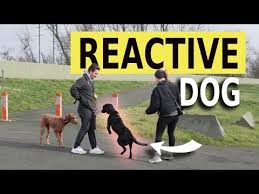
The precise sequence must absolutely be: the dog physically spots the terrifying trigger, the handler waits exactly one second, and then heavily delivers the premium food reward. The terrifying trigger must completely predict the arrival of the food, absolutely never the other way around. If the handler frantically shoves food into the dog’s face before the dog sees the trigger, the food itself becomes a highly poisoned, terrifying predictor of a scary event.
This highly advanced protocol takes massive amounts of patience, frequently requiring months of heavily dedicated daily practice. Handlers must absolutely celebrate the microscopic victories, like the dog choosing to quietly sniff the grass instead of aggressively staring at a passing bicycle. Over time, the massive distance required to keep the dog under threshold will naturally shrink, finally allowing peaceful, highly controlled neighborhood walks.
What To Do Next
- Execute a Threshold Audit: Grab a notebook today and actively log exactly how many feet away your dog typically is when they first begin to physically stiffen or intensely stare at a trigger. Strictly vow to completely map your walking routes tomorrow to guarantee you remain an absolute minimum of twenty feet beyond that specific breaking point.
- Build the Emergency U-Turn: Take the dog into the completely quiet, highly distraction-free environment of your own living room this evening. Practice loudly saying “Let’s Go!” and rapidly jogging backward to the kitchen, heavily rewarding the dog the exact second they joyfully follow you, building instant muscle memory for future outdoor emergencies.
Disclaimer: The content on Snoutbit.com is for informational and educational purposes only and is not intended to replace professional veterinary advice, diagnosis, or treatment. Always consult with your veterinarian before making significant changes to your dog’s diet, exercise routine, or health regimen.