Bringing home a heavily medicated, freshly neutered dog creates immediate, intense household panic. The terrifying risk of violently torn stitches, massive scrotal hematomas, and the relentless midnight battles to keep the plastic cone secured leads to fourteen days of pure exhaustion. The definitive solution requires completely abandoning normal daily routines and implementing a highly structured, heavily managed recovery environment.
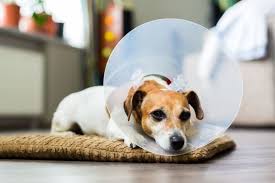
The biggest takeaway for learning how to take care of a dog after neutering is enforcing absolute physical restriction for a minimum of ten to fourteen days. A dog physically cannot comprehend that they just underwent major abdominal or scrotal surgery. The handler must assume complete control by enforcing strict crate rest, eliminating all free-roaming yard privileges, and utilizing comfortable recovery collars to prevent catastrophic incision infections.
Post-Neuter Recovery: Overview Mind Map
- Physical Restriction: Zero running, jumping, or off-leash yard time for exactly fourteen days.
- Incision Protection: Utilizing surgical recovery suits and inflatable collars to completely block abrasive licking.
- The “Hangover” Phase: Managing postoperative dysphoria and whining as the anesthesia slowly leaves the canine bloodstream.
- Mental Exhaustion: Replacing heavy physical exercise with stationary puzzle toys and scent-work games.
Surviving The Anesthesia Hangover
When a dog first walks out of the veterinary clinic, they are often heavily disoriented, incredibly clumsy, and highly sensitive to bright lights. This intense “anesthesia hangover” frequently causes dogs to exhibit bizarre, uncharacteristic behaviors. Some dogs will refuse to walk entirely, while others will pace relentlessly or aggressively whine at the walls.
This distressing vocalization is clinically known as dysphoria. The canine brain is actively struggling to process the lingering sedatives, causing a temporary state of profound confusion. The best immediate intervention is placing the dog inside a darkened, heavily padded crate located in a perfectly silent room to allow them to sleep the drugs off completely.
Do not attempt to force a groggy dog to eat a massive meal the very first night. Anesthesia heavily slows down the gastrointestinal tract, making severe nausea and sudden vomiting incredibly common post-surgery. Offer a tiny handful of boiled chicken and white rice; if the dog refuses, simply remove the bowl and try again the following morning.
🚨 Vet Fact: A dog may not have a normal bowel movement for up to three or four days following a neuter procedure. This temporary constipation is a completely normal biological reaction to pre-surgical fasting and the heavy pain medications utilized during the operation.
Advanced Insight 1: The “Double-Barrier” Lick Prevention
Generic pet advice constantly pushes the traditional, rigid plastic “cone of shame” (Elizabethan collar) as the only way to protect an incision. These massive plastic dishes terrify anxious dogs, constantly smash into doorways, and entirely prevent comfortable sleeping. Elite handlers completely bypass this nightmare by implementing the highly effective “double-barrier” method.
This advanced protocol pairs a soft, inflatable donut collar with a specialized canine surgical recovery suit. The recovery suit acts as a breathable, tight-fitting onesie that physically covers the surgical site, keeping it completely free from environmental dirt and dog hair. The inflatable collar simultaneously prevents the dog’s mouth from reaching the rear end without destroying their peripheral vision or causing severe neck strain.
Take the reality of a highly anxious rescue mutt in Texas that violently thrashed and panicked every single time the plastic cone touched its neck. The exhausted owners switched to a breathable surgical suit paired with a plush inflatable donut collar on the second night. The dog instantly calmed down, happily slept through the night, and the incision remained perfectly sterile for the entire fourteen-day healing window.
The Danger of Unrestricted Potty Breaks
The absolute most common way dogs severely injure themselves after a neuter is during completely unsupervised bathroom breaks in the backyard. Opening the back door and letting a high-energy dog sprint down the patio stairs is a catastrophic surgical mistake. A single explosive burst of speed can instantly rip the internal sutures, causing massive, life-threatening internal bleeding.
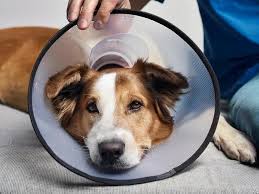
Every single trip to the backyard must be executed strictly on a short, fixed six-foot leash. The handler must slowly walk the dog to their designated bathroom spot, wait for them to finish, and immediately walk them back inside. Absolutely zero yard sniffing, fence running, or squirrel chasing can be permitted until the veterinarian explicitly provides official medical clearance.
If the house features steep, slippery hardwood stairs leading to the yard, the dog must be physically assisted. Wrap a highly supportive towel directly under the dog’s lower belly to create a makeshift sling. This allows the handler to safely carry the bulk of the dog’s rear body weight, completely preventing a dangerous slip or fall on the slick wood.
🐾 Snoutbit Pro-Tip: Remove all soft plush toys, tennis balls, and heavy tug ropes from the living room floor immediately upon returning from the clinic. Seeing their favorite high-energy toys will instantly trigger a dog’s prey drive, encouraging them to excitedly pounce and dangerously stretch their healing abdominal muscles.
Advanced Insight 2: The “Wagon Sniffari” Exhaustion Protocol
Keeping a young, highly athletic working breed completely confined to a crate for two weeks feels physically impossible for most owners. The dog rapidly builds up massive amounts of pent-up energy, leading to destructive chewing and highly disruptive demand barking. The brilliant solution is entirely replacing physical exertion with intense, localized mental stimulation.
Elite behaviorists recommend the “Wagon Sniffari” to safely exhaust a recovering dog. Place a heavy-duty, heavily padded utility wagon in the driveway and gently lift the dog inside. Slowly pull the wagon around the neighborhood, allowing the dog to intensely smell the passing breeze and watch the environmental activity without taking a single physical step.
Consider a massive, highly reactive Cattle Dog in Oregon that was destroying its crate out of sheer boredom on day four of recovery. The owners loaded the dog into a specialized pet stroller and walked through a busy local park for forty-five minutes. The intense visual and olfactory stimulation completely exhausted the dog’s brain, allowing it to happily sleep for the remainder of the afternoon without risking a torn suture.
Advanced Insight 3: Safe Cold Compress Therapy
In the days immediately following a neuter, the empty scrotal sac often swells significantly, creating a highly terrifying, bruised appearance. This massive tissue inflammation is incredibly uncomfortable and heavily drives the dog’s frantic urge to lick the area. Applying safe, localized cold therapy drastically reduces this swelling and provides immense, immediate pain relief.
Never apply raw ice directly to a dog’s bare skin, as this easily causes severe tissue damage and localized frostbite. Wrap a simple bag of frozen peas inside a thick, soft microfiber towel. Gently hold this flexible, cooling compress directly against the swollen scrotal area for exactly ten minutes while feeding the dog high-value treats to keep them perfectly still.
Executing this targeted cold therapy twice a day for the first seventy-two hours dramatically accelerates the total healing time. It actively shrinks the inflamed blood vessels, pulling the excess fluid directly out of the swollen tissue. Always ensure the incision itself remains perfectly dry during this process to prevent bacterial growth.
🚨 Vet Fact: A tiny amount of clear or slightly pink-tinged fluid seeping from the incision line during the first twenty-four hours is considered biologically normal. However, if the incision suddenly begins leaking thick, foul-smelling yellow or green pus, it signals a massive bacterial infection requiring immediate emergency antibiotics.
Monitoring The Surgical Site
Meticulous, daily inspection of the surgical site is the absolute most critical responsibility for any handler. Owners must visually check the incision line every single morning and every single evening. Taking a clear, well-lit photograph of the surgical site with a smartphone on day one provides a vital baseline for comparison later in the week.
A healthy, properly healing incision should look relatively clean, with edges perfectly touching and minimal surrounding bruising. Over the fourteen days, the skin will slowly form a hard, raised ridge as the deeper tissue layers permanently fuse back together. If the incision suddenly gapes open, bleeds heavily, or feels intensely hot to the human touch, professional veterinary intervention is mandatory.
Never apply human antibacterial ointments, hydrogen peroxide, or rubbing alcohol directly to a healing canine surgical wound. These harsh household chemicals aggressively destroy delicate, newly formed skin cells and drastically delay the natural healing process. If the wound looks dirty, simply wipe the surrounding fur with a damp, clean cloth, avoiding the actual stitches entirely.
🐾 Snoutbit Pro-Tip: Stop other household pets from entirely ruining the healing process. Friendly housemates will frequently attempt to aggressively lick the surgical site of the recovering dog to “groom” the wound, instantly introducing massive amounts of dangerous oral bacteria.
Pain Management and Medication Compliance
Veterinarians universally send newly neutered dogs home with several days’ worth of highly specific, prescription anti-inflammatory medications. A massive mistake owners make is abruptly stopping these medications the exact second the dog “looks” like they feel better. Dogs are highly evolved stoic animals that brilliantly hide immense physical pain to appear strong.
Stopping the pain medication too early guarantees the dog will suffer an invisible, highly agonizing inflammatory spike. Furthermore, a dog in pain is significantly more likely to compulsively chew at their incision to find relief. Always finish the entire prescribed course of painkillers exactly as directed on the veterinary label.
If the dog aggressively refuses to swallow the bitter pills, utilize high-value masking agents. Push the tiny pill deep into a glob of plain cream cheese, a slice of low-sodium turkey breast, or specialized canine pill pockets. Ensuring the dog receives their medication completely stress-free is vital for maintaining an easy, calm recovery environment.
What To Do Next
- Execute a “Double-Barrier” Fitting: Immediately order a properly sized surgical recovery suit and a soft, inflatable donut collar today. Test-fit both items on the dog simultaneously before the actual surgery date to guarantee they fit comfortably and do not physically restrict normal breathing.
- Establish a “Leash-Only” Potty Station: Drive a sturdy, temporary metal stake into a quiet corner of the backyard grass. Attach a fixed, four-foot leash directly to the stake, creating a highly controlled, physically restricted bathroom zone that completely prevents post-surgery sprinting.
Disclaimer: The content on Snoutbit.com is for informational and educational purposes only and is not intended to replace professional veterinary advice, diagnosis, or treatment. Always consult with your veterinarian before making significant changes to your dog’s diet, exercise routine, or health regimen.