Watching a beloved, beautiful canine joyfully consume a fresh pile of yard waste is a deeply horrifying, stomach-churning experience. The sheer panic hits an absolute peak when that exact same dog enthusiastically runs directly toward a family member for a wet, highly contaminated kiss. Yelling loudly, frantically waving arms, and violently jerking the leash typically completely backfires, actively triggering a massive “keep away” game that causes the dog to swallow the biohazard significantly faster.
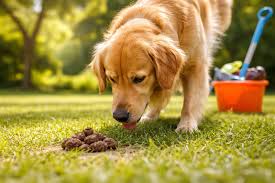
The definitive solution requires immediately shifting from highly emotional, frantic reactions to strict, clinical environmental management. Understanding exactly how to stop a dog from eating poop relies on acknowledging that this behavior is incredibly self-reinforcing. To permanently kill the habit, handlers must forcefully break the massive dopamine loop, actively implement advanced counter-conditioning, and thoroughly audit the dog’s daily digestive output.
Coprophagia Breakdown: Overview Mind Map
- The Behavioral Loop: How the canine brain actively rewards the scavenging instinct with massive hits of highly addictive dopamine.
- The Enzyme Gap: Undigested, highly processed kibble creating waste that biologically smells exactly like a fresh bowl of premium food.
- Maternal Hardwiring: The completely natural, biological instinct inherited from wild canine mothers actively cleaning the whelping den.
- The Trade-Up Protocol: Utilizing insanely high-value, highly odorous treats to entirely out-compete the massive allure of yard waste.
🚨 Vet Fact: Coprophagia is surprisingly common in the modern canine world, with massive clinical studies suggesting nearly twenty-four percent of domestic dogs actively engage in the behavior at least once. While highly repulsive to human sensibilities, it is a completely natural biological scavenging behavior heavily inherited directly from their ancient wolf ancestors.
Advanced Insight 1: The Dopamine Reinforcement Loop
Generic pet advice constantly blames a severe nutritional deficiency for this highly disgusting habit, sending owners running to the pet store for expensive, unverified multivitamins. Elite behaviorists understand that while gut health plays a role, chronic coprophagia is primarily a massively powerful, highly addictive behavioral loop. The exact second a dog successfully scavenges and consumes the waste, their brain floods with massive amounts of highly rewarding dopamine.
Every single time the dog practices this specific behavior, the neurological pathway becomes significantly stronger and incredibly difficult to break. This explains exactly why simply letting the dog out into the backyard unsupervised practically guarantees complete behavioral failure. If the physical waste is highly accessible, the dog will continuously self-medicate with this completely free, highly reliable dopamine hit.
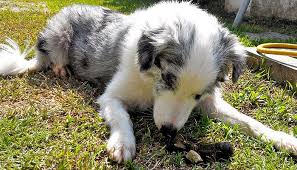
Take the highly frustrating reality of a seven-month-old mixed breed named Anggu who rapidly developed a severe obsession with scavenging the backyard. The owners tried loudly clapping and heavily scolding the young dog, but the intense negative attention simply made Anggu swallow the waste significantly faster to hide the evidence. Once the owners strictly placed Anggu on a short walking leash and completely physically blocked access to the pile, the massive behavioral loop was finally successfully broken.
🐾 Snoutbit Pro-Tip: Never aggressively chase a dog that has successfully grabbed a piece of waste in their mouth. Actively running toward them instantly triggers a massive biological “resource guarding” response, heavily forcing the panicked animal to rapidly swallow the massive hazard whole to successfully protect their perceived prize.
Advanced Insight 2: The Pancreatic Enzyme Gap
While pure behavior plays a massive role, handlers must aggressively investigate the biological quality of the dog’s actual digestion process. Many commercial, highly extruded dry kibbles are heavily packed with massive amounts of cheap carbohydrates and entirely lack naturally occurring digestive enzymes. When a dog consumes these highly processed diets, their internal digestive tract frequently fails to break the dense proteins down completely.
The highly unfortunate biological result is canine waste that passes entirely through the digestive system heavily retaining its original, highly attractive food odor. To a highly scent-driven canine, the fresh pile of yard waste biologically smells absolutely identical to a fresh, premium bowl of high-protein dinner. This heavily explains why dogs frequently completely ignore older, highly degraded waste but aggressively target completely fresh, steaming piles.
Fixing this massive biological loophole requires directly supplementing the dog’s daily meals with premium, highly robust canine digestive enzymes or fresh, green beef tripe. These highly specialized, raw additions aggressively assist the pancreas in completely breaking down the daily meal inside the stomach. When the food is entirely digested, the resulting waste completely loses its highly appealing, food-like aromatic profile, instantly becoming significantly less attractive to the scavenging dog.
Advanced Insight 3: The Shelter Trauma Connection
Dogs completely lacking severe underlying medical issues frequently develop coprophagia purely as a devastating trauma response to early environmental confinement. When young puppies are heavily confined to tiny, highly unsanitary spaces, they possess a massive, deeply ingrained biological instinct to keep their sleeping area clean. If completely ignored by human caretakers, these desperate puppies will actively consume their own waste simply to successfully sanitize their immediate living quarters.
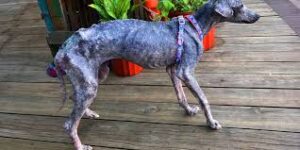
Consider the highly intense rescue operations frequently coordinated at busy facilities like Wenny’s shelter, pulling abandoned dogs from highly neglected, overcrowded hoarding situations. These severely traumatized rescue dogs arrive heavily conditioned to rapidly consume any physical waste the exact second it hits the kennel floor. Rehabilitating this deeply ingrained, severe survival mechanism requires immense human patience and absolutely flawless, zero-tolerance kennel sanitation protocols.
For newly adopted rescue dogs exhibiting this highly traumatic behavior, punishment is completely counterproductive and massively destroys fragile trust. Handlers must quietly, completely without any frantic emotion, remove the waste the absolute second it appears. By heavily ensuring the environment remains entirely spotless, the rescue dog slowly realizes they no longer need to actively perform the highly distressing sanitation duties themselves.
🚨 Vet Fact: Intestinal parasites strongly mimic the exact same physical symptoms of exocrine pancreatic insufficiency, heavily robbing the dog of critical, life-sustaining daily nutrients. Always submit a completely fresh, highly secure fecal sample to a licensed veterinary clinic to definitively rule out a severe hookworm or roundworm infestation before attempting advanced behavioral modification.
The “Trade-Up” Counter-Conditioning Protocol
Completely stopping the behavior requires flawlessly executing a highly advanced, heavily structured “Trade-Up” protocol during every single bathroom break. The handler must walk the dog strictly on a standard six-foot leash, completely armed with massive amounts of incredibly high-value, highly odorous treats. Standard dry biscuits completely fail here; handlers must strictly utilize heavily heated hot dogs, massive chunks of premium roast beef, or highly pungent freeze-dried liver.
The exact second the dog finishes eliminating, the handler must instantly issue a highly enthusiastic, incredibly joyful recall command before the dog ever turns around to inspect the pile. When the dog successfully spins their head away from the biohazard and looks directly at the handler, a massive, highly excessive biological jackpot must be instantly delivered. The handler then immediately walks the dog completely away from the hot zone, returning alone exactly five minutes later to safely scoop the abandoned waste.

Over several highly consistent weeks, the dog’s brain completely rewires its primary expectation surrounding the daily bathroom routine. Instead of anticipating a massive dopamine hit from consuming the yard waste, the dog actively expects a massive payout of premium roast beef directly from the handler. This brilliant, highly proactive counter-conditioning actively forces the dog to automatically sprint directly toward the human the exact second they finish their business.
🐾 Snoutbit Pro-Tip: Highly specific, over-the-counter coprophagia deterrents featuring massive amounts of heavily concentrated pineapple extract or MSG actively attempt to make the waste taste incredibly bitter. While these basic supplements occasionally work for mild cases, they completely fail to address the underlying behavioral loop and absolutely must be combined with strict, physical leash management.
What To Do Next
- Execute the Leash Mandate: Completely eliminate unsupervised, entirely free-roaming backyard bathroom breaks immediately. Secure the dog onto a standard six-foot walking leash every single time they step outside to eliminate, completely removing their physical ability to successfully reach the biohazard before you can safely intervene.
- Deploy the Diagnostic Audit: Schedule a non-emergency veterinary appointment this week and physically drop off a highly fresh, completely sealed fecal sample. Rigorously ask the clinical staff to explicitly run a full parasite panel and actively test for massive enzyme deficiencies to completely rule out an invisible, highly frustrating biological trigger.
Disclaimer: The content on Snoutbit.com is for informational and educational purposes only and is not intended to replace professional veterinary advice, diagnosis, or treatment. Always consult with your veterinarian before making significant changes to your dog’s diet, exercise routine, or health regimen.