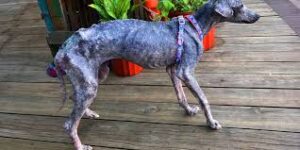
Opening the front door to guests quickly becomes a massive source of household anxiety when a heavy, overstimulated dog violently launches into the air. Apologizing endlessly for scratched arms, ruined clothing, and completely terrified toddlers leaves pet parents feeling intensely embarrassed and completely powerless. The definitive solution requires completely abandoning the urge to shout or physically push the dog away, focusing entirely on strict environmental management.
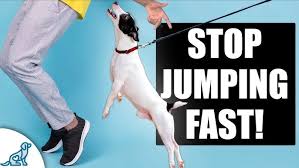
Dogs jump strictly to gain immediate, high-value facial access and physical interaction from arriving humans. The absolute fastest way to kill this behavior is entirely removing that access by silently turning away and firmly crossing the arms. When the dog finally puts all four paws securely on the floor, immediately reward them with premium treats, teaching the canine brain that gravity pays incredibly well.
Canine Greeting Behaviors: Overview Mind Map
- Core Biological Drive: Ancestral appeasement licking, facial greetings, and massive environmental over-arousal.
- Primary Triggers: The doorbell ringing, owners returning from a long workday, and high-energy guests entering the living room.
- Dangerous Myths: Kneeing the dog forcefully in the chest or aggressively stepping on their sensitive back toes.
- The Ultimate Goal: Rewiring the dog to understand that sitting or standing calmly acts as the magical switch to unlock human affection.
Advanced Insight 1: The “Scatter Feed” Front Door Protocol
Generic obedience blogs constantly demand owners force an overly excited dog into a strict “sit” command during highly chaotic greetings. This completely fails because a heavily aroused dog entirely lacks the cognitive impulse control to hold a rigid posture when novel guests arrive. Elite trainers completely bypass this massive frustration by utilizing the “Treat Scatter” protocol instead.
The exact second the front door opens, the handler silently throws a massive handful of high-value, highly aromatic treats directly onto the floor. The dog is biologically forced to drop their nose to the ground to actively forage for the premium meat, entirely preventing the upward jumping motion. This brilliant distraction keeps all four paws firmly planted while the guests safely remove their coats and shoes.
🐾 Snoutbit Pro-Tip: Keep a small, decorative glass jar completely filled with freeze-dried liver directly on the outside front porch. Instruct all arriving guests to grab a handful before knocking, perfectly setting up the scatter feed protocol before they ever step inside the house.
The Myth Of Physical Punishment
Outdated television trainers constantly push highly dangerous, physically punitive methods to instantly cure jumping behaviors. Advice like aggressively driving a knee directly into the dog’s ribcage or painfully stepping on their back paws completely shatters canine trust. These harsh physical corrections frequently trigger terrifying, redirected bite responses from dogs that feel suddenly and violently cornered.
Additionally, simply pushing a dog away with human hands is a massive, incredibly common behavioral mistake. The canine brain entirely misinterprets this frantic physical pushing as a highly rewarding, deeply engaging game of wrestling. The human assumes they are issuing a stern correction, but the dog actually thinks the human is happily initiating a rough play session.
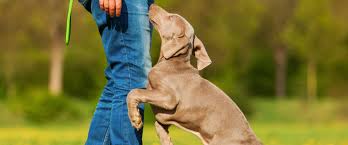
Take the reality of an incredibly friendly, sixty-pound Boxer mix living in a busy suburban home. The dog constantly jumped on a visiting toddler, terrifying the child and leaving the parents completely exhausted from continuously shouting commands. The owners finally stopped shouting and started silently stepping entirely over a baby gate the exact second the dog caught air. By completely removing human access without a single spoken word, the Boxer quickly learned that jumping made the fun immediately stop.
Advanced Insight 2: The Reverse Time-Out
Traditional time-outs involve physically dragging a highly stimulated dog into a sterile bathroom or a designated wire crate. This forces the human handler to engage in a highly chaotic wrestling match, massively increasing the dog’s overall physical arousal level. Elite behaviorists utilize the highly effective “Reverse Time-Out” to instantly kill the excitement without engaging in a physical battle.
If the dog jumps while the owner is relaxing on the living room sofa, the owner simply stands up silently and walks entirely out of the room. The dog immediately loses their absolute favorite household resource: the human’s physical presence and attention. Once the dog calms down and lies quietly on the rug, the owner calmly returns, proving that polite manners explicitly invite human interaction.
🚨 Vet Fact: A large, heavy-chested dog repeatedly jumping and slamming their back legs onto hard tile floors heavily accelerates severe orthopedic trauma. Chronic jumping grinds down the delicate cartilage in the stifle joints, leading directly to early-onset canine osteoarthritis and highly expensive cranial cruciate ligament (CCL) tears.
Advanced Insight 3: The Strategic Leash Tether
When hosting a large, highly chaotic dinner party, relying purely on split-second training mechanics is completely unrealistic for busy hosts. Set the dog up for absolute success by utilizing structural environmental management through a highly strategic leash tether. Secure a heavy-duty, chew-proof leash directly to a solid piece of furniture, like a heavy sofa leg, completely away from the front entryway.
The dog can still safely observe the guests arriving but is physically blocked from successfully making contact with expensive clothing. Guests can safely approach the dog only when all four paws are firmly planted on the floor. If the dog breaks the polite stance and attempts to jump, the guest simply takes one giant step backward entirely out of leash range.
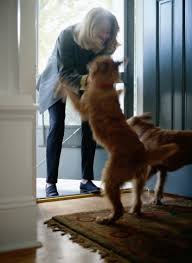
Consider a deeply loved Golden Retriever in Seattle that developed a terrifying habit of aggressively launching at local delivery drivers. The dog simply wanted to lick their faces, but the massive physical impact frequently knocked heavy packages directly out of their hands. The owners installed a highly secure tether station in the front hallway, giving the dog a dedicated “place” command whenever the doorbell rang. The delivery drivers remained entirely safe, and the dog was heavily rewarded with a frozen peanut butter toy for remaining securely anchored.
Managing The Extinction Burst Phenomenon
When an owner finally decides to completely ignore jumping behavior, the habit will seemingly get significantly worse before it gets better. The dog absolutely expects the jumping to work, so when the human suddenly turns away, the dog begins jumping higher and barking louder. This intense, highly chaotic behavioral escalation is a scientifically documented event known strictly as an extinction burst.
Most pet parents completely panic during this burst, incorrectly assuming the behavioral modification has failed, and eventually give in to the noise. Giving in during an extinction burst accidentally teaches the dog they simply need to jump twice as hard next time to get exactly what they want. Surviving this temporary, chaotic tantrum completely silently is the absolute most critical phase of stopping attention-seeking behaviors.
🐾 Snoutbit Pro-Tip: When greeting a small, excitable breed like a Chihuahua or a Dachshund, crouch completely down to their physical eye level immediately. Removing the massive vertical height difference entirely eliminates their deeply ingrained biological need to jump up to properly smell human breath.
Defusing Frantic Arousal Biting
Many high-energy working dogs actively escalate basic jumping into highly painful, frantic arousal biting when guests finally enter the home. This happens because the dog’s nervous system is completely flooded with massive amounts of adrenaline that desperately needs an immediate physical outlet. Screaming at the dog or grabbing their collar only spikes this intense adrenaline surge significantly higher.
To instantly defuse this frantic, toothy behavior, immediately shove a highly durable, heavy tug toy directly into the dog’s mouth. This provides the dog with a completely safe, highly appropriate biological target for their massive excitement and jaw pressure. A dog physically cannot scream, jump, and bite human arms when their jaws are securely clamped down on a thick rope toy.
Ensuring Household Consistency
Absolute consistency is the most critical component of permanently extinguishing a deeply ingrained jumping habit. If the dog is allowed to happily jump on a handler wearing dirty gardening clothes, but severely scolded for jumping on guests wearing expensive dresses, the training completely fails. The canine brain simply cannot understand highly situational human fashion choices.
Every single human interacting with the dog must adhere strictly to the “Four on the Floor” rule. If a stranger on the street happily says jumping is fine, the handler must immediately advocate for the animal by pulling them away. Politely ask the stranger to completely turn their back until the dog sits, ensuring the behavioral criteria never waivers in public environments.
What To Do Next
- Install a Tether Station Today: Purchase a heavy-duty, four-foot coated cable tie-out and secure it to a massive piece of living room furniture completely away from the front door. Utilize this specific station to safely anchor the dog with a frozen puzzle toy fifteen minutes before any scheduled guests arrive.
- Practice the Silent Spin: Start actively practicing the “Reverse Time-Out” tonight during normal, low-stress family interactions. The exact millisecond the dog lifts their front paws off the ground to demand attention, spin completely around, fold all arms tight to the chest, and stare silently at the ceiling until the dog gives up and drops to the floor.
Disclaimer: The content on Snoutbit.com is for informational and educational purposes only and is not intended to replace professional veterinary advice, diagnosis, or treatment. Always consult with your veterinarian before making significant changes to your dog’s diet, exercise routine, or health regimen.