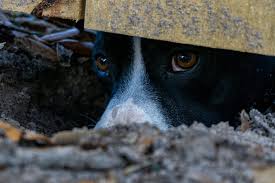
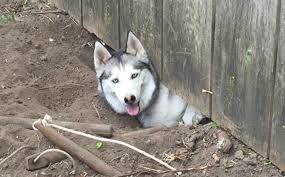
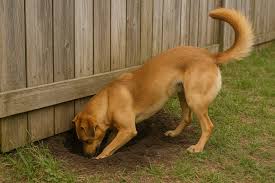
Discovering a massive, muddy crater leading directly under the backyard fence triggers an immediate, heart-stopping panic for any pet parent. The terrifying thought of a beloved dog bolting into high-speed traffic or getting hopelessly lost in a strange neighborhood creates a state of constant, exhausting hyper-vigilance. This relentless “prison break” behavior turns a peaceful backyard into a high-stress containment zone, leaving owners feeling entirely defeated and trapped inside their own homes.
The definitive solution requires a dual-pronged attack: implementing an impenetrable physical “L-footer” barrier and aggressively satisfying the dog’s underlying psychological urge to dig. The biggest takeaway is that punishing a dog after the hole is already dug is completely useless, as the canine brain cannot link the past action with the current correction. Securing the perimeter permanently requires physically blocking the exit point while simultaneously draining the dog’s excess mental energy through structured foraging and enrichment.
The Fence Line Security: Overview Mind Map
- Physical Barriers: L-footer wire mesh, buried concrete footers, and large “anchor” rocks placed along the base.
- Psychological Triggers: Predatory drive (chasing rodents), sexual frustration (unaltered pets), and severe boredom.
- Environmental Cooling: Seeking damp, cool earth to regulate core body temperature during humid summer months.
- Behavioral Outlets: Dedicated sandboxes or “digging pits” where the behavior is actively encouraged and rewarded.
Why “No” Doesn’t Work: The Biology of Digging
Digging is not a “bad” behavior; it is a deeply hardwired, ancestral survival instinct utilized by canines for thousands of years. Wild dogs dig to create safe dens for pups, to cache excess food for lean winters, and to uncover high-protein grubs or small burrowing prey. When a domestic dog starts excavating the fence line, they are simply following a powerful biological script that a human “No” cannot easily overwrite.
Yelling at a dog while they are covered in mud often backfires, as high-energy breeds may interpret the human’s shouting as “joining in” on the excitement. To stop the behavior, the environment must be physically modified so that digging becomes physically impossible or intensely unsatisfying. If the physical reward of the “escape” is removed, the behavior will eventually extinguish itself through lack of reinforcement.
🚨 Vet Fact: Chronic digging in abrasive, rocky soil or hard-packed clay can lead to “traumatic onycholysis,” where the dog’s nails are violently torn from the quick. It also causes significant dental wear if the dog attempts to use their teeth to pull at the chain-link or wooden slats during their escape attempt.
Advanced Insight 1: The L-Footer Wire Reinforcement
Generic pet blogs often suggest “filling the hole with rocks,” but an intelligent dog will simply dig a new hole six inches to the left. The only bulletproof physical solution is the installation of an “L-footer” along the entire length of the fence. This involves taking galvanized hardware cloth or chicken wire and attaching one side to the bottom of the fence while laying the other side flat on the ground, extending inward toward the yard.
- Physical Logic: When the dog approaches the fence and attempts to dig, their paws immediately hit the wire mesh on the ground.
- The Deterrent: Because they cannot get “under” the mesh, they are physically blocked from reaching the soft earth at the fence base.
- Safety Tip: Always ensure the edges of the wire are bent downward or covered with a thin layer of sod or mulch to prevent the dog from accidentally cutting their paw pads on sharp metal edges.
Consider the reality of a high-drive Terrier in suburban Ohio that successfully tunneled under a premium wooden privacy fence four times in a single week. The owners spent hundreds on “scent-based” deterrents that the dog completely ignored. Once they installed a buried wire L-footer and covered it with decorative river rocks, the dog attempted to dig twice, hit the metal barrier, and permanently abandoned the fence line in favor of their chew toys.
Advanced Insight 2: Identifying “Predatory Proximity”
Many owners blame boredom for fence digging, but the true culprit is often “predatory proximity.” If a dog can hear, smell, or see small rodents, squirrels, or neighborhood cats living directly on the other side of the fence, they will dig with a feverish, obsessive intensity. The dog is not trying to “escape” the yard; they are trying to “capture” the prey they can sense through the barrier.
Elite trainers utilize “Visual Blockers” to lower this predatory arousal. If a dog can see through the gaps of a chain-link or picket fence, installing privacy slats or high-density mesh screening can instantly lower the dog’s heart rate. Removing the visual trigger often causes the dog to “lose interest” in the perimeter, as the prey is no longer a constant visual taunt.
🐾 Snoutbit Pro-Tip: If the digging is localized to one specific area of the fence, check for an active pest infestation. Moles, gophers, or even a nest of rats living under the fence line provide a massive “biological paycheck” for a digging dog. Calling a pet-safe pest control service to remove the rodents is often the fastest way to stop the excavation.
Advanced Insight 3: The “Digging Pit” Compromise
Attempting to entirely suppress a dog’s biological urge to dig is an uphill battle that often leads to increased anxiety and other destructive behaviors, like chewing or barking. The most successful behavioral strategy is “replacement,” not “suppression.” Creating a legal, highly rewarding “Digging Pit” allows the dog to satisfy their instincts without destroying the property.
- The Setup: Use a heavy-duty plastic kiddie pool or a wooden frame filled with soft play sand or loose topsoil.
- The Reward: Bury high-value treats, tennis balls, or long-lasting chews deep within the pit while the dog is watching.
- The Transition: Whenever the dog approaches the fence line, immediately redirect them to the digging pit and encourage them to find the hidden “treasure.”
Take the anecdotal reality of a rescued Siberian Husky that was notorious for “mining” the backyard into a moonscape. The owners realized the dog was digging to find cool earth to combat the summer humidity. By building a shaded sandpit and keeping the sand slightly damp with a garden hose, the dog spent all afternoon lounging in their “legal” hole, leaving the expensive fence line completely untouched.
🚨 Vet Fact: Dogs seeking “cool earth” are often at the early stages of heat stress. If a dog is digging deep holes specifically during the hottest part of the day and then lying in them, they are struggling to regulate their core temperature. This is a massive red flag to increase indoor time and provide specialized cooling mats.
Addressing Separation Anxiety Escapes
If a dog only digs under the fence the exact second the owner’s car leaves the driveway, the issue is not digging—it is clinical separation anxiety. The dog is experiencing a massive, involuntary panic attack and is desperately trying to reach their “safe person” by any means necessary. Physical barriers like wire mesh will only slow them down; a panicked dog will often dig until their paws bleed or their nails are entirely gone.
Solving this requires a comprehensive desensitization protocol to teach the dog that being alone is safe. This often involves high-value “long-duration” treats (like frozen peanut butter toys) that are only given during departures. In severe cases, consulting a veterinary behaviorist for specialized anxiety medication is the most humane and effective way to stop the frantic escape attempts.
🐾 Snoutbit Pro-Tip: Install a Wi-Fi-enabled pet camera to monitor the fence line. If the dog is pacing, panting, and whining before they start digging, they are in a state of high emotional distress. If they are wagging their tail and sniffing intently while they dig, they are likely just bored or hunting a lizard.
The Role of Spaying and Neutering
In the United States, thousands of intact male dogs escape their yards every year due to the biological “roaming drive.” If a female dog in heat is anywhere in the surrounding two-mile radius, an unneutered male will possess a singular, obsessive focus on escaping to find her. No amount of training or wire mesh will stop a dog driven by reproductive hormones.
Sterilization significantly reduces this roaming drive, making the dog much more content to remain within the safety of the yard. It removes the biological “engine” that drives the escape behavior, allowing the physical and behavioral training to actually take hold.
What To Do Next
- Perform a “Scent Audit” Today: Walk the exterior of the fence line and look for signs of animal burrows, rodent droppings, or gaps where neighborhood cats might be entering. Use a pet-safe enzymatic cleaner or a strong vinegar-and-water solution to wash down the bottom of the fence to remove the “scent trails” that are currently acting as a treasure map for the dog.
- Install a “Starter” L-Footer: Head to a local hardware store and purchase a small roll of galvanized chicken wire and some heavy-duty zip ties or garden staples. Install a ten-foot section over the dog’s favorite digging spot tonight; seeing the dog hit the “barrier” and walk away will provide the data needed to decide if the entire perimeter needs reinforcement.
Disclaimer: The content on Snoutbit.com is for informational and educational purposes only and is not intended to replace professional veterinary advice, diagnosis, or treatment. Always consult with your veterinarian before making significant changes to your dog’s diet, exercise routine, or health regimen.