The honeymoon phase of a new puppy fades instantly when cold puddles are discovered on the hallway carpet every single morning. Frustration mounts as the house begins to smell, and yelling after the fact simply teaches the dog to hide behind the couch to do their business.
The ultimate solution does not involve rolled-up newspapers or confusing indoor potty pads. The absolute secret to potty training a puppy fast is zero unearned freedom, utilizing an indoor tether to prevent accidents, and rewarding outdoor success within three seconds. Master the dog’s physical environment, limit their roaming space entirely, and the indoor accidents will stop overnight.
To visualize the core pillars of this training framework, here is a quick overview mind map.
🧠 Overview Mind Map: The Potty Training Matrix
- The Golden Rule: Zero unsupervised roaming in the house.
- The Management Tool: The “umbilical cord” leash tether.
- The Schedule: Take them out after waking, eating, playing, and training.
- The Reward: High-value treats given outside immediately after the act.
The Puppy Pad Trap
Most new owners immediately purchase massive boxes of scented pee pads to place in the kitchen. This is a catastrophic training mistake that creates months of unnecessary behavioral confusion. Puppy pads actively teach a young dog that eliminating inside the house is perfectly acceptable.
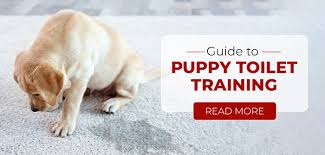
When the pads are eventually removed, the dog simply seeks out a similar soft, absorbent surface, which is usually an expensive living room rug. Skipping indoor pads entirely and training exclusively for the outdoors is the only path to a fully housebroken dog. The transition is much faster when the rules are black and white from day one.
🐾 Snoutbit Pro-Tip: If living in a high-rise apartment where immediate outdoor access is impossible, use a real grass patch on the balcony. This teaches the dog the exact texture of grass, rather than the texture of a cotton pad or carpet.
Advanced Insight #1: The Umbilical Cord Method
Generic guides simply suggest taking the puppy out “every two hours.” This often fails because puppies do not operate on a strict clock; they operate on physical activity and bladder capacity. A hyperactive puppy might need to go twice in thirty minutes during a heavy play session.
Instead of watching the clock, use the “umbilical cord” tether method. Clip a lightweight, six-foot leash to the puppy’s harness and attach the handle to a belt loop. The puppy is now forced to stay within a six-foot radius of a human at all times during active waking hours.
This advanced tactic forces absolute supervision. The exact second the puppy starts intensely sniffing the floor, pacing, or walking in tight circles, the handler can interrupt the behavior. Scoop the puppy up and rush outside to the designated potty spot before the puddle ever hits the floor.
Advanced Insight #2: The “Two-Minute Rule” for Transitions
A massive trigger for indoor accidents occurs during simple household transitions. Puppies have microscopic bladders and zero muscle control, meaning excitement instantly triggers the urge to urinate. Releasing a puppy from a crate and letting them walk to the back door is a guaranteed recipe for a hallway accident.
Top-tier behaviorists employ the “Two-Minute Rule” during the first few weeks. When the puppy wakes up, finishes a meal, or finishes a vigorous tug-of-war session, they must be taken outside within two minutes. Do not let the puppy walk to the door; physically carry them.
Carrying the puppy prevents them from stopping to squat on the way out. Once they reach the designated grass patch, set them down and wait. This completely removes the opportunity for a transitional indoor accident.
🚨 Vet Fact: A puppy can typically hold its bladder for one hour per month of age, plus one. Therefore, a two-month-old puppy has an absolute maximum physical limit of three hours before an accident is biologically unavoidable.
The Chicago Frenchie Reality Check
Consider a young French Bulldog brought home during a freezing winter in Chicago. The tiny dog absolutely despised the snow and would refuse to pee outside, only to immediately eliminate on the warm kitchen floor upon returning indoors. The owner tried waiting outside for twenty minutes, but the shivering puppy simply shut down.
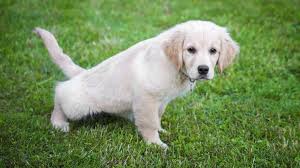
The solution was the “boomerang” method. The owner took the Frenchie outside for exactly three minutes; if no potty happened, they went straight back inside and the puppy was placed directly into the crate for ten minutes. They then went back outside for another three minutes.
By removing the option to play inside with a full bladder, the puppy quickly realized that eliminating outside was the fastest way back to the warm house. The kitchen accidents stopped entirely within three days.
Advanced Insight #3: Enzymatic Deception vs. True Cleaning
When an accident inevitably happens, the cleanup protocol dictates future success. Dogs possess an olfactory system that is up to 100,000 times more sensitive than a human’s. Wiping up urine with a standard household floor cleaner or bleach simply masks the scent for human noses.
To a dog, the ammonia in traditional cleaners actually smells remarkably similar to urine. If a spot is cleaned with bleach, the puppy will return to that exact same spot the next day, assuming it is an established bathroom zone. The scent marker is still shining like a neon sign to the dog’s brain.
Owners must flood the accident zone with a high-quality, specialized enzymatic cleaner. These formulas contain live enzymes that physically consume and destroy the uric acid crystals embedded in the floorboards. Only when the biological marker is completely eradicated will the puppy stop seeking out that corner.
🐾 Snoutbit Pro-Tip: Never scold a puppy for an indoor accident after the fact. If the puddle is already on the floor, the training window is completely gone. Rubbing a dog’s nose in a mess only teaches them to fear humans and encourages them to hide their future accidents in a closet.
The Nighttime Blueprint
Surviving the night requires strict water management and a properly sized sleeping arrangement. Waking up to a soiled crate is incredibly demoralizing for both the puppy and the household. A puppy will naturally try to avoid soiling their immediate sleeping area.
However, if the crate is too large, the puppy will simply pee in the back corner and sleep cleanly in the front. The crate must only be large enough for the dog to stand up, turn around, and lie down comfortably. Use wire crate dividers to shrink the space while the puppy grows.
Cut off all free-roaming water access approximately two hours before the final bedtime trip outside. Set a quiet phone alarm for the middle of the night to proactively take the puppy out. This midnight trip should be strictly business: no talking, no playing, and dim lights.
The Florida Golden Retriever Hydration Challenge
A family in humid Florida struggled deeply with nighttime training their new Golden Retriever. Because the summer heat was so intense, the puppy guzzled massive amounts of water right up until bedtime. The result was a soiled crate every single morning at 4 AM.
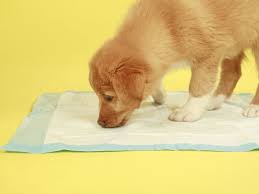
The owners could not safely restrict water entirely due to the extreme local temperatures. Instead, they transitioned to offering crushed ice cubes in a bowl after 8 PM. This provided crucial hydration and cooling without overloading the puppy’s tiny bladder with excess liquid volume.
The midnight accidents stopped immediately. The Golden Retriever stayed cool and hydrated, but the bladder volume was successfully managed through the night.
🚨 Vet Fact: Urinary Tract Infections (UTIs) are highly common in young female puppies. If a normally housebroken puppy suddenly starts having tiny, frequent accidents or appears to be straining to urinate, schedule a veterinary urinalysis immediately to rule out a painful medical issue.
The High-Value Reward System
Dogs repeat behaviors that are highly rewarding. Simply saying “good boy” when a puppy pees on the grass is not a high enough paycheck for learning a complex new rule. A premium, high-value reward system is entirely mandatory for rapid success.
Keep a sealed jar of incredibly pungent treats right by the back door. Options like freeze-dried beef liver, tiny cubes of boiled chicken, or low-sodium hot dogs work perfectly. Dry, boring kibble will not cut it for this level of intense behavioral training.
The timing of the reward is the most critical element. The treat must be delivered directly to the dog’s mouth within three seconds of them finishing the act, while they are still standing on the grass. Waiting until the dog walks back inside the kitchen to hand over the treat simply rewards them for walking through the door, not for going potty.
Adding a Verbal Cue
Dogs are fantastic at word association. As soon as the puppy begins to squat and urinate, calmly say a specific command phrase like “Go Potty” or “Do Your Business.” Say it once, clearly, while the physical action is actively happening.
Over several weeks, the dog’s brain links the physical relief of an empty bladder with that specific verbal cue. Eventually, the owner can use that phrase to prompt the dog to go on command. This is an absolute lifesaver during freezing rainstorms or hurried road trips.
What To Do Next
- Buy an Enzymatic Cleaner: Audit the cleaning supplies under the sink today. Discard standard household sprays for pet messes and immediately order a heavy-duty enzymatic urine destroyer to truly erase previous accident markers.
- Set Up the Tether Station: Purchase a cheap, lightweight six-foot leash exclusively for indoor tethering. Attach it to a comfortable belt or keep it by the sofa to ensure the puppy has absolutely zero unsupervised roaming time starting tomorrow morning.
Disclaimer: The content on Snoutbit.com is for informational and educational purposes only and is not intended to replace professional veterinary advice, diagnosis, or treatment. Always consult with your veterinarian before making significant changes to your dog’s diet, exercise routine, or health regimen.