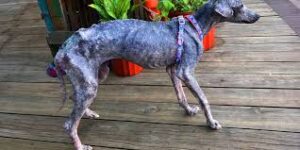
Loading a highly anticipated hiking companion into the backseat should be the exciting start to a weekend adventure. Instead, it frequently devolves into a highly stressful nightmare of excessive drooling, frantic pacing, and scrubbing strong-smelling vomit out of expensive car upholstery. This miserable travel reality forces dedicated owners to leave their dogs at home, deeply fracturing the human-animal bond and creating immense guilt.
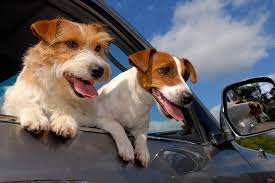
The definitive solution requires immediately abandoning outdated advice like completely starving the dog before a long drive. Stopping the nausea involves physically hacking the canine nervous system to align their sensory inputs. By forcing the dog to look straight out the front windshield, eliminating static buildup on the car chassis, and applying a pre-ride glucose spike, handlers can actively turn a terrified passenger into a calm, road-trip champion.
Canine Motion Sickness Overview: Mind Map
- Vestibular Mismatch: The primary biological trigger where the inner ear detects rapid motion, but the eyes perceive a stationary interior.
- Acoustic Pressure: Highly pressurized cabins and low-frequency road noise aggressively overwhelming the sensitive canine eardrum.
- Electromagnetic Sensitivity: Massive static electricity accumulation across the vehicle frame creating severe neurological nausea.
- Hypoglycemic Nausea: Excess stomach acid churning in a completely empty, fasted stomach, drastically accelerating the vomit reflex.
Root Cause & Intervention Table
| Nausea Trigger | Behavioral/Physical Symptom | Advanced Biological Intervention |
|---|---|---|
| Visual Strobing | Staring out side windows, heavy panting | Center-mounted, forward-facing booster seat |
| Static Buildup | Restlessness, immediate drooling | Automotive anti-static ground strap |
| Empty Stomach | Dry heaving, yellow bile vomit | Pre-ride glucose spike (honey/Karo syrup) |
| Cabin Pressure | Frantic yawning, lip smacking | Cracking opposing windows two inches |
Export to Sheets
The Biology of the Blur: Vestibular Chaos
Canine motion sickness is heavily rooted in anatomy, specifically the delicate vestibular system located deep inside the inner ear. This highly sensitive biological hardware is entirely responsible for managing physical balance and spatial orientation.
When a car accelerates, turns, or heavily brakes, the fluid inside the dog’s ear canals violently sloshes around, signaling massive movement to the brain. However, if the dog is staring down at the floorboards or staring at the back of the driver’s headrest, their eyes tell the brain that absolutely nothing is moving.
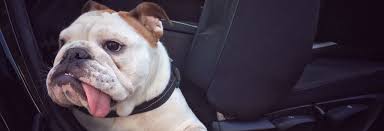
This severe sensory conflict triggers the brain’s toxic defense mechanism. The canine brain brilliantly assumes this massive sensory hallucination is caused by ingesting a deadly poison. To save the body from this perceived toxin, the brain immediately activates the nausea response to forcefully empty the stomach contents.
🚨 Vet Fact: A massive percentage of puppies heavily suffer from motion sickness simply because their vestibular ear structures are not fully biologically developed. Most young dogs will naturally outgrow this specific biological vulnerability by the time they reach twelve to fourteen months of age.
Advanced Insight 1: The Static Electricity Phenomenon
Generic pet blogs constantly recommend rolling down the windows for fresh air, completely ignoring a highly advanced, invisible trigger. Modern vehicles act exactly like massive Faraday cages, rolling on heavy rubber tires that actively generate enormous amounts of static electricity. While humans rarely notice this invisible electromagnetic field, highly sensitive dogs absolutely feel the static charge building heavily across their fur.
This massive electrical buildup severely disrupts the canine nervous system, creating a highly intense, deeply uncomfortable sensation of impending doom and sudden nausea. Elite behaviorists and seasoned show-dog handlers eliminate this entirely by attaching a simple automotive anti-static ground strap to the undercarriage of the vehicle. This heavy-duty rubber strap continuously drags lightly against the pavement, safely discharging the sickening electrical buildup directly into the road.
Consider the reality of a rescued Labrador Retriever in Colorado that violently threw up every ten minutes on the highway, despite heavy prescription sedatives. The exhausted owners installed a twenty-dollar grounding strap to the rear bumper of their SUV on a complete whim. The massive static discharge instantly cured the dog, completely transforming them into a highly peaceful, sleeping passenger for an eight-hour mountain road trip.
Advanced Insight 2: Forward-Facing Visual Anchors
Allowing a dog to stare out the side passenger windows is a massive, highly common travel mistake. As the vehicle travels at high highway speeds, the trees and guardrails blur into a rapid, highly chaotic “visual strobe” effect. The canine brain completely struggles to process this incredibly fast, lateral data stream, causing immediate visual overstimulation and severe dizziness.
The absolute best way to stop the biological nausea cycle is forcing the dog to look straight ahead through the front windshield. Looking directly forward allows the dog to clearly see the stationary horizon line, perfectly matching their visual input with the forward momentum felt by their inner ear. This requires utilizing a crash-tested, elevated booster seat for smaller breeds, or a heavy-duty, center-seat safety harness for larger working dogs.
Locking the dog into the absolute center of the back seat completely prevents them from wandering into the dangerous side-window visual zones. It physically forces their brain to lock onto the stable, distant horizon. This simple mechanical restriction heavily mitigates the sensory mismatch before the drooling sequence ever has a chance to begin.
🐾 Snoutbit Pro-Tip: Never smoke, wear heavy cologne, or utilize heavily scented chemical air fresheners inside a vehicle transporting a dog. The confined, highly concentrated artificial smells rapidly accelerate canine nausea; always opt for a completely scent-free, highly ventilated interior cabin.
Advanced Insight 3: The Hypoglycemia Paradox
Standard, highly outdated veterinary advice tells owners to completely withhold all food for twelve hours before a long car ride. While feeding a massive bowl of heavy kibble is certainly a terrible idea, forcing a dog to travel on a completely empty stomach is equally disastrous. An empty stomach actively pools with highly acidic digestive juices, while the dog’s blood sugar rapidly plummets.
This biological state of acute hypoglycemia heavily amplifies the physical feeling of motion sickness and actively triggers the vomit reflex. Elite handlers completely reverse this by administering a highly strategic, localized glucose spike exactly fifteen minutes before the engine starts. Rubbing a tiny dab of pure, raw honey or organic Karo syrup directly onto the dog’s upper gums rapidly absorbs into the bloodstream.
This pure sugar instantly stabilizes the blood glucose levels, effectively calming the hyperactive stomach lining without adding heavy, difficult-to-digest volume.
Take the highly challenging case of a French Bulldog in Texas that heavily dry-heaved yellow bile on every single trip to the local dog park. The owners stopped completely fasting the dog and began offering a single, plain ginger snap cookie paired with a tiny dab of honey right before opening the car door. The natural, anti-emetic properties of the raw ginger combined with the stabilizing sugar spike entirely cured the dog’s localized travel sickness.
Engineering The Vehicle Environment
Cabin pressure creates massive, highly uncomfortable stress on a dog’s sensitive eardrums. When driving with all the windows tightly rolled up, the internal air pressure violently fluctuates, mimicking the uncomfortable “ear-popping” sensation humans feel on airplanes. This intense inner-ear pressure severely aggravates the fragile vestibular system, rapidly compounding the overall feeling of motion sickness.
Handlers must actively engineer the interior airflow by cracking two opposing windows exactly two inches wide. Lowering the front driver-side window and the rear passenger-side window creates a perfectly balanced, cross-cabin vacuum effect. This actively pulls fresh oxygen through the vehicle while simultaneously equalizing the highly volatile barometric cabin pressure.
🚨 Vet Fact: Heavy, excessive lip smacking, heavy yawning, and sudden, intense drooling are the primary, phase-one biological indicators of acute canine nausea. If a handler observes these specific micro-expressions in the rearview mirror, they have exactly three minutes to safely pull over before the dog actively vomits.
Creating Highly Positive Associations
Many dogs develop a massive, deeply ingrained psychological phobia of the car because the vehicle only ever predicts a nauseating experience. If a dog only rides in the car to visit the terrifying veterinary clinic or to endure a highly dizzying road trip, their brain intimately associates the vehicle with sheer misery. This psychological fear triggers a massive adrenaline spike, which chemically accelerates the physical nausea.
Handlers must aggressively rewrite this negative association through highly structured, incredibly short desensitization sessions. Feed the dog highly premium meals directly inside a parked, completely stationary car with the engine turned off. Once the dog happily jumps into the parked car, graduate to simply turning the engine on for three minutes while heavily dispensing high-value treats.

Slowly drive just to the very end of the neighborhood block, immediately exit the car, and play an intensely fun game of fetch on a nearby lawn. The dog’s brain will eventually rewire, associating the physical vehicle with highly exciting, incredibly fun destinations rather than a miserable, nauseating trap.
What To Do Next
- Execute the Center-Seat Lock: Immediately uninstall any side-door dog hammocks and purchase a heavy-duty, crash-tested canine seatbelt harness. Securely buckle the dog exclusively into the middle rear seat to guarantee their line of sight is physically locked directly onto the stable, forward-facing horizon line.
- Prepare the Glucose Toolkit: Place a small, travel-sized squeeze bottle of raw honey directly into the vehicle’s glove compartment today. Exactly fifteen minutes before the next planned car ride, apply a small, pea-sized drop directly to the dog’s upper gums to perfectly stabilize their blood sugar and heavily neutralize excess stomach acid.
Disclaimer: The content on Snoutbit.com is for informational and educational purposes only and is not intended to replace professional veterinary advice, diagnosis, or treatment. Always consult with your veterinarian before making significant changes to your dog’s diet, exercise routine, or health regimen.